
Last updated November 15, 2026
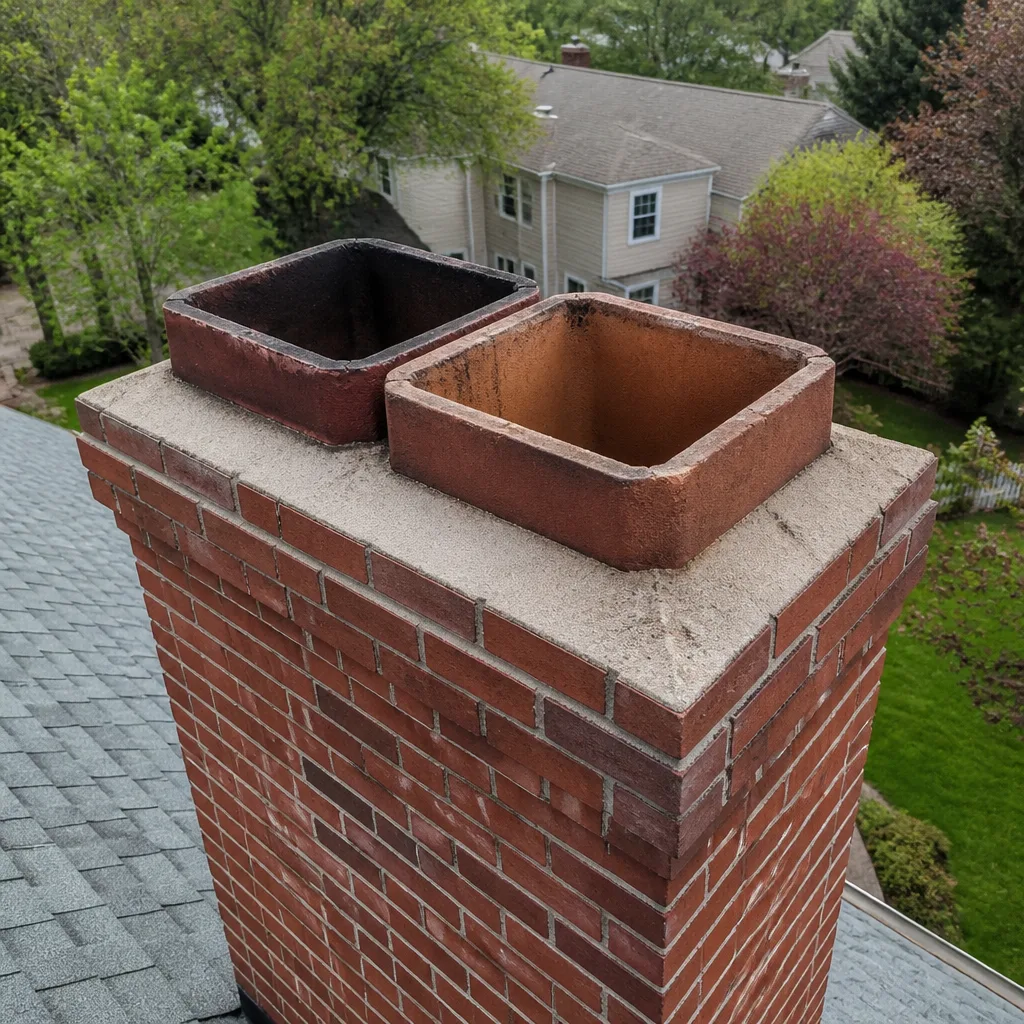 Sweep & inspection
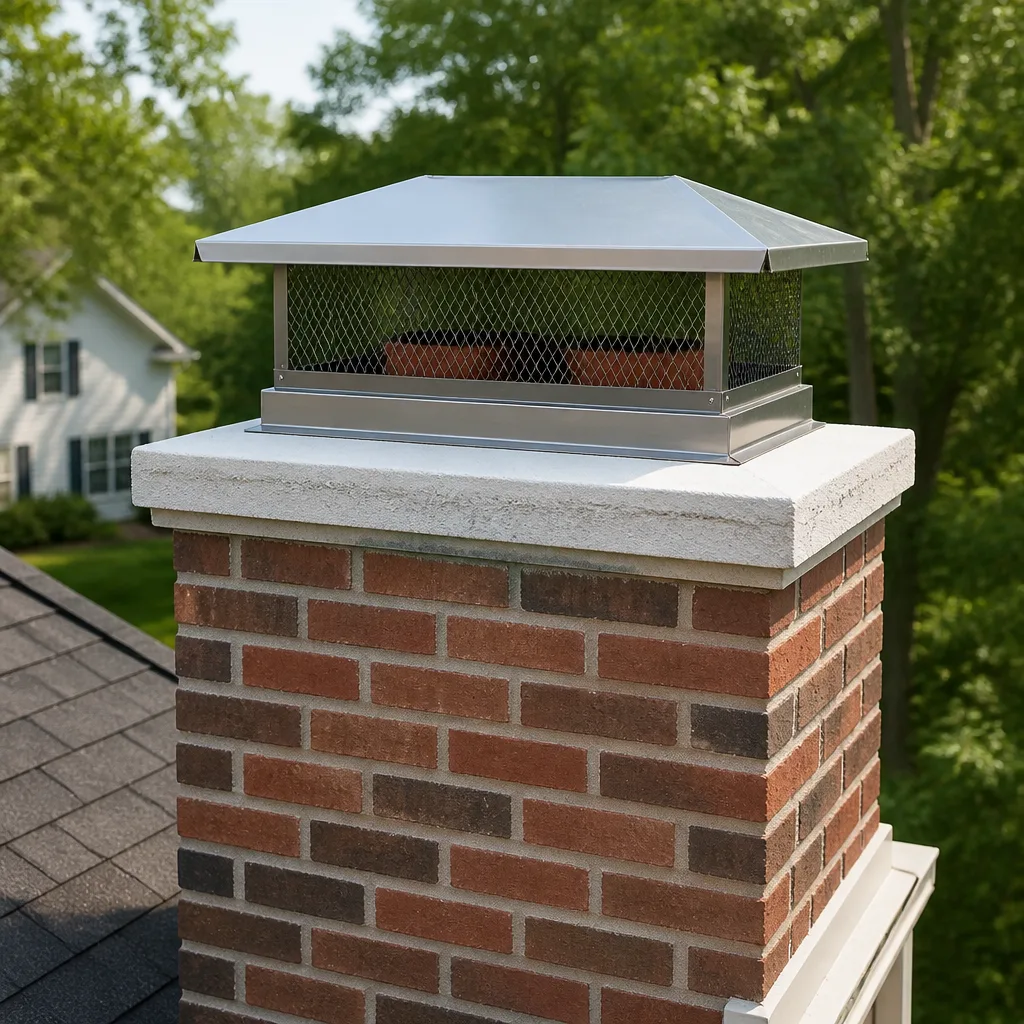 Caps & crowns
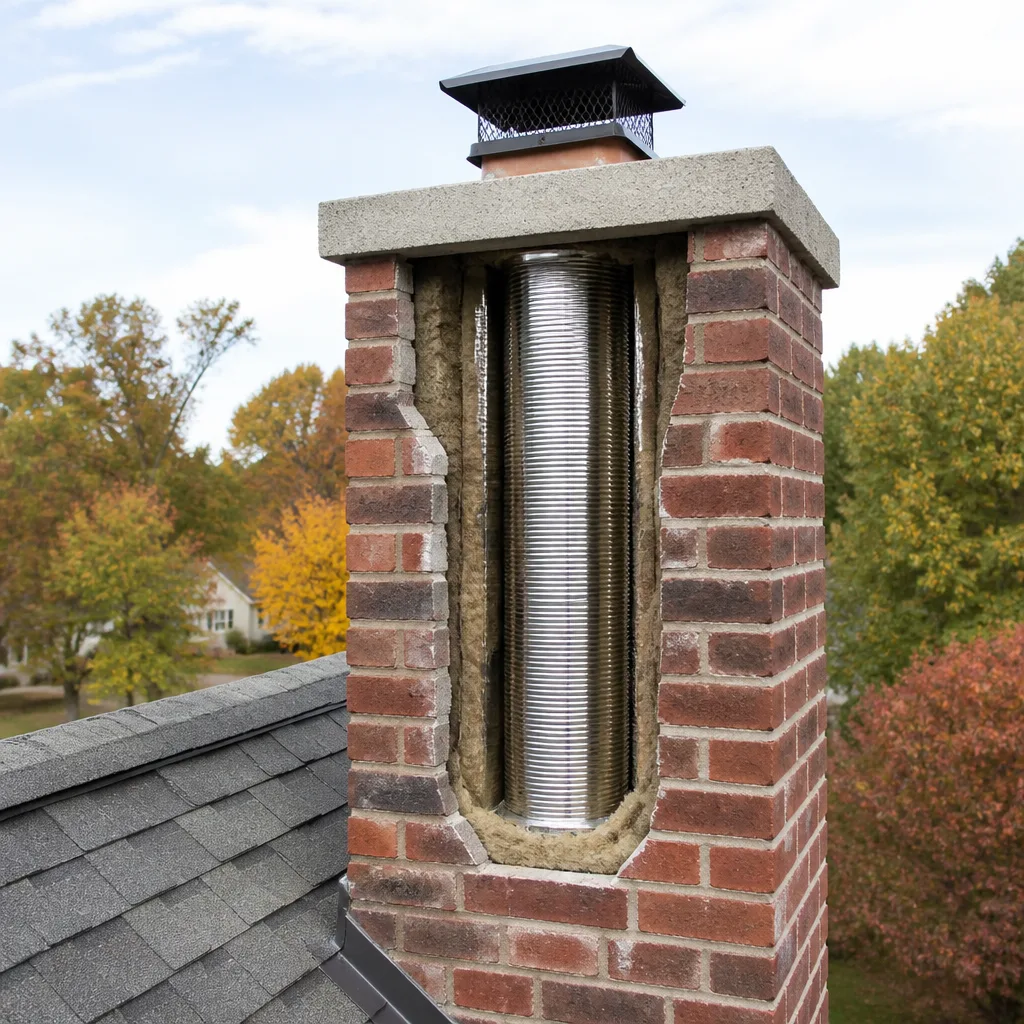 Flue relining
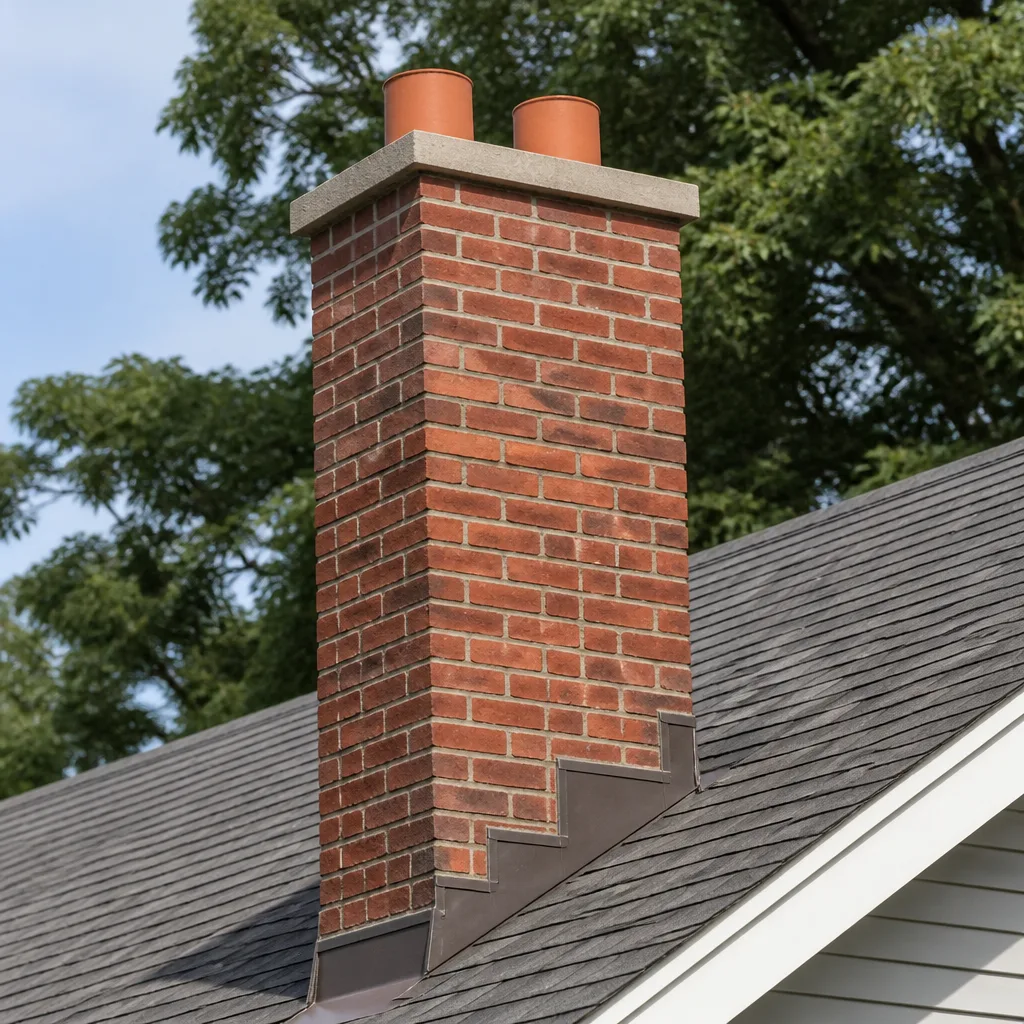 Masonry repair
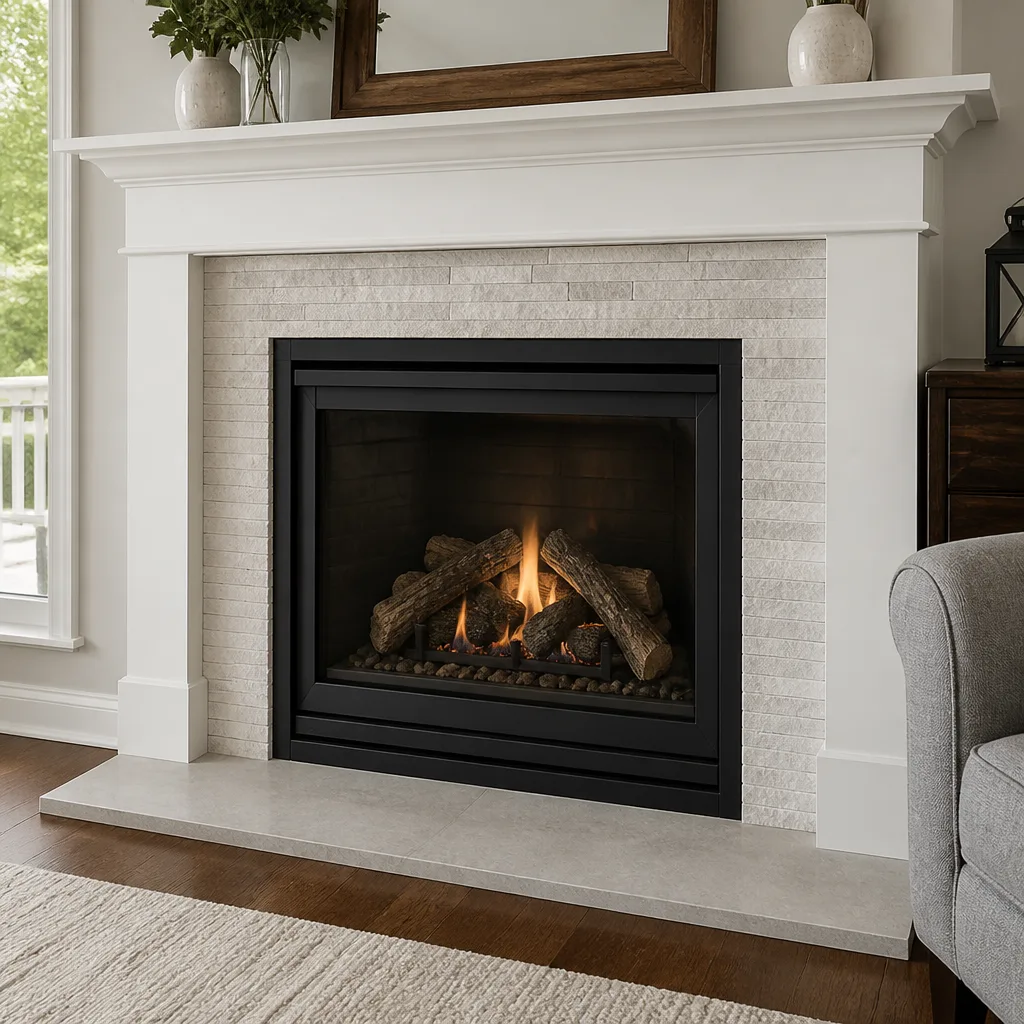 Gas fireplace service
Level 1 sweep and inspection to the NFPA 211 annual standard - flue, crown, cap, and flashing checked and photographed
Chimney sweep logs do not sweep chimneys. They loosen some creosote - which then falls where a brush and vacuum still have to collect it.
DIY vs Professional Chimney Cleaning: The Minneapolis Homeowner’s Decision Guide
You can sweep a chimney yourself and still have a dangerous chimney. That’s the part most DIY guides skip. The creosote you scrape off with a brush was never the primary risk in your flue. The Stage 2 glaze bonded to the liner behind it, or the cracked clay tile beneath your scraping, is what starts a chimney fire, and neither one is visible without a camera. This guide explains what a DIY cleaning actually accomplishes, the diagnostic gap it leaves behind, and why that gap matters more in Minneapolis than in most American cities. By the end you’ll know when a brush in your own hands is reasonable and when it’s false confidence.
Quick Answer
A DIY chimney cleaning removes loose soot and light creosote from the flue but cannot assess liner condition, cannot remove glazed creosote, and gives you no documentation of the flue’s internal state. In Minneapolis, where much of the housing stock predates 1960 and many chimneys were built without a liner or with clay tile that has since cracked, that diagnostic gap is the real risk. Professional cleaning exists as much to inspect as to sweep. If your chimney is unlined, clay-tile, or you don’t know its internal condition, book a professional sweep with a camera inspection before you burn another season.
Styles & brands we work with
- Sweep & inspection
- Caps & crowns
- Flue relining
- Masonry repair
- Gas fireplace service
Table of Contents
- What a DIY Chimney Cleaning Actually Accomplishes
- The Diagnostic Gap: What a Brush Can’t See
- The Equipment Difference, Plainly Stated
- When DIY Chimney Cleaning Is Genuinely Reasonable
- Why Minneapolis Housing Stock Skews the Risk
- The Liability Question: Insurance and Documentation
- What Professional Cleaning Costs in Minneapolis
- Common Mistakes to Avoid
What a DIY Chimney Cleaning Actually Accomplishes
A homeowner with a brush and rods can do one thing well: remove the soft, flaky, Stage 1 creosote that builds up on flue walls after a season of burning. That’s real work, and it’s the same physical action a sweep performs with a manual brush. If your flue is stainless-lined, lightly used, and cleaned regularly, a competent DIY job removes most of what accumulated since the last cleaning.
What the brush does not do is tell you anything about the flue. A DIY cleaning leaves you with a cleaner chimney and no more information about it than you had before. You don’t know whether the clay tiles behind the soot are intact, whether the mortar joints between them have eroded, whether there’s a gap at the smoke chamber transition, or whether the liner has a hairline crack that opens under heat. Those are the conditions that turn a routine burn into a chimney fire or a carbon monoxide path into the living space.
In our experience across Minneapolis, the homeowners most confident about their DIY cleaning are often the ones with the oldest, least-safe flues. They’ve swept the same chimney for years, it “works fine,” and nobody has ever put a camera inside it. The chimney works fine until the day it doesn’t, and the first sign is sometimes a fire in the flue. That’s the core problem with treating cleaning as a maintenance chore rather than a diagnostic event.
A proper chimney sweep is a two-part job: the sweep removes deposits, and the inspection documents what the flue looks like. Skip the second part and you’ve done half the work while feeling like you finished it.
The Diagnostic Gap: What a Brush Can’t See
The single biggest difference between DIY and professional cleaning isn’t the brush. It’s the camera. A video scope run down the flue shows the liner’s true condition: cracked tiles, spalled clay, missing mortar joints, gaps at offsets, and the smooth, tar-like Stage 3 glaze that a brush will skate right over. None of that is visible from the firebox looking up with a flashlight.
Here’s what a professional inspection typically establishes that a DIY cleaning cannot:
- Liner integrity. Whether the clay tiles or stainless liner are whole, cracked, or shifted out of alignment.
- Creosote stage. The difference between Stage 1 (brushable), Stage 2 (glazed and hard), and Stage 3 (tar-like and flammable) determines whether cleaning alone is enough.
- Clearances. Whether the chimney has proper clearance from combustible framing, which is a code and safety question no brush answers.
- Smoke chamber and damper condition. Areas where creosote collects heavily and where many older Minneapolis chimneys have eroded mortar.
- Draft and venting performance. Whether the flue is sized and configured to vent your appliance safely.
The Stage 2 glaze point deserves its own emphasis. Glazed creosote is fused to the liner, and it burns hot. A homeowner running a brush down a flue coated in Stage 2 glaze removes the loose material above it and leaves the dangerous layer in place, now with a cleaner surface that looks reassuring. That is a specific, common, and invisible failure mode of DIY cleaning.
For Minneapolis homeowners with pre-1960 unlined chimneys, the gap widens further. An unlined brick flue has no protective barrier between the fire and the masonry itself. A brush can’t tell you whether the mortar in that brick has softened from years of moisture and creosote exposure. A camera inspection can, and that finding changes everything about how you use the fireplace.
The Equipment Difference, Plainly Stated
Consumer-grade chimney brushes and poly rods are built for one job: knocking loose soot off a straight flue. They are not built for the conditions many Minneapolis flues actually present.
Professional-grade equipment differs in ways that matter:
- Rotary and whip heads. These address glazed creosote that a hand brush glides over. Consumer brushes don’t have the mechanical action for Stage 2 deposits.
- Inspection cameras. A flue camera records the internal condition and produces images you can see for yourself. This is the documentation that matters for insurance and resale.
- Correctly sized brush heads. A brush too small for the flue leaves the walls untouched; too large and it can damage the liner. Matching the brush to the flue is a professional call.
- Containment and dust control. Professional sweeps seal the firebox with a vacuum and drop cloths so soot doesn’t migrate into the room. A DIY job in a Minneapolis living room tends to leave a fine layer of soot on everything.
- Repair access. When the sweep finds a problem, a full-service provider can address it in the same visit rather than sending you back to find a repair crew.
That last point connects to materials. Professional-grade chimney work involves product lines like HeatShield ceramic resurfacing for liner restoration, DuraFlex flexible liner systems for relining, and components from brands such as Olympia Chimney and Copperfield for venting and caps. These aren’t products a homeowner can buy at a hardware store and install correctly with a YouTube video, and that’s precisely the point: the correct material for your flue type is a specification decision, not a shopping decision.
When DIY Chimney Cleaning Is Genuinely Reasonable
We’re not going to tell you a brush should never touch a flue. There are narrow cases where a careful homeowner with the right equipment can clean their own chimney responsibly. Here’s the honest short list:
- Your appliance has a stainless liner. A modern stainless flex liner is a known, intact surface. There’s no clay tile to crack and no unlined masonry to worry about.
- You have a recent professional baseline. A professional inspection and camera scope within the last year or two establishes the liner’s condition. Without that baseline, you don’t know what you’re sweeping.
- You are a light user. Occasional fires, well-seasoned wood, and a flue that hasn’t accumulated heavy deposits. Heavy or green wood burning builds creosote fast and belongs in professional hands.
- You know your creosote is Stage 1. Soft, flaky, brushable deposits are the only stage a hand brush handles safely.
Even in those cases, DIY cleaning gives you a cleaner flue and no diagnostic information. That’s acceptable only when you already have a recent professional assessment telling you the liner is sound. The moment you’re guessing about the liner, the DIY cleaning stops being reasonable and starts being false confidence. If you’re unsure which side of that line you’re on, that uncertainty is itself the answer: book the professional inspection and use it to establish the baseline you’ll maintain from then on.
Here’s the practical rule we’d give a neighbor: DIY cleaning is fine for maintenance on a chimney a professional has recently inspected and cleared. DIY cleaning is not fine as the way you determine whether the chimney is safe in the first place.
Why Minneapolis Housing Stock Skews the Risk
Minneapolis is an old city, and its housing tells the story. A large share of the city’s homes were built before 1960, which means a large share of its chimneys were built before modern lining requirements and venting standards. Many of those chimneys were originally unlined, or lined with clay tile that has spent decades expanding and contracting with Minnesota’s freeze-thaw cycles.
That combination raises the risk profile of a DIY cleaning in specific ways:
- Unlined brick flues. No protective barrier, so a brush can’t tell you whether the masonry itself is sound. A camera inspection can.
- Cracked clay tile. Clay tile cracks as it ages, and a cracked tile is a direct path for heat and carbon monoxide into the home’s structure. You won’t see it from below.
- Eroded mortar joints. Years of moisture and creosote soften mortar between tiles. A brush passes over it; a camera shows it.
- Freeze-thaw stress. Minneapolis winters put chimneys through repeated freeze-thaw cycles, and masonry that sees that stress ages differently than in milder climates. Winter is also when the fireplace is used hardest, so the worst conditions coincide with the heaviest burning.
The result is that a DIY clean on a cracked clay-tile liner in Minneapolis is not the same decision as a DIY clean on a recently installed stainless system in a newer home. Same action, same tools, wildly different stakes. If your home is older and you don’t know what’s behind the soot, that’s exactly the case where the camera matters most.
For homes in older Minneapolis neighborhoods where chimneys have been through decades of weather and possibly one or more appliance changes, a professional chimney repair assessment often accompanies the first cleaning. The sweep finds the condition; the repair restores it. That two-step is why we inspect before we recommend anything.
The Liability Question: Insurance and Documentation
Here’s a consideration most DIY guides never mention: your homeowner’s insurance may ask for documentation of professional chimney inspection when you file a chimney-related claim. We can’t tell you what any specific policy requires, and you should read yours or ask your agent directly. But we can tell you the general pattern, and it’s worth knowing before you need it.
A professional inspection produces a record: a date, a camera scope, images of the liner’s condition, and a written summary of findings. That record is what an insurer references when evaluating a claim. A homeowner who cleaned the chimney themselves has no equivalent documentation, which can complicate a claim after a chimney fire. The documentation itself is part of what you’re paying for when you hire a professional sweep, and it’s the part you can’t reproduce with a brush.
Inspection findings also matter at resale. Buyers and their inspectors reference the chimney’s condition, and a documented professional inspection with images gives you something concrete to show. In a market like Minneapolis, where older homes change hands regularly, that paper trail is worth having in the file.
The standard our inspection aligns with is NFPA 211, the benchmark insurers and buyers reference. That isn’t a marketing line; it’s the document that defines what a proper inspection covers. When you hire a professional, ask whether their inspection follows NFPA 211. If a provider can’t answer that, keep looking.
What Professional Cleaning Costs in Minneapolis
We don’t quote exact prices in a guide, because the honest answer is that cost depends on the flue: how much creosote has built up, how accessible the chimney is, whether a camera inspection is included, and whether the sweep turns up a condition that needs repair. A straight flue with light deposits costs less than a heavily glazed flue with a masonry repair at the top. Estimates are free, and the written estimate sets the final price, so you’ll know before any work begins.
What we can tell you is what the line items usually are. A professional sweep typically includes:
- The sweep itself, with correctly sized brushes and dust containment.
- A camera inspection of the flue, with findings explained and shown to you.
- A written summary of condition and any recommended next steps.
Repair work, when needed, is priced separately and per job. HeatShield ceramic resurfacing, for example, is a repair approach that extends liner life without full replacement, and it’s priced as a distinct service. Full relining with a system like DuraFlex is a larger project. Nothing is recommended without camera evidence you can see for yourself, and if a piece of work can safely wait, we say so. That’s the difference between a diagnosis and an upsell.
If you’ve been quoted a number for a repair and want a second look, that’s a fair reason to call. Estimates are free, and our technicians have up to 12 years of experience reading exactly the kind of conditions Minneapolis chimneys present.
Common Mistakes to Avoid
- Assuming a clean flue is a safe flue. Cleaning removes deposits; it doesn’t assess the liner. Those are separate questions, and only one of them is answered by a brush.
- Sweeping a glazed flue and calling it done. Stage 2 glaze survives a hand brush. If your creosote is hard and shiny, DIY cleaning leaves the hazard in place.
- Skipping the camera because the chimney “looks fine.” The dangerous conditions are inside the flue, not at the firebox. Looking up with a flashlight doesn’t count as an inspection.
- Using the wrong brush size. In a Minneapolis older home with clay tile, a brush too large for the flue can crack tiles that were already stressed. Too small leaves the walls untouched.
- Cleaning an unlined pre-1960 flue without a baseline. No baseline means no way to know whether the masonry itself is sound. That’s the case where the professional inspection matters most.
- Waiting until the first cold snap. Chimneys get inspected and swept before the heavy burning season, not after a problem shows up. Book it in the shoulder months, not in the week the fireplace gets lit.
- Treating documentation as optional. A professional inspection produces a record. That record matters to insurers and buyers, and it’s part of why the professional visit exists.
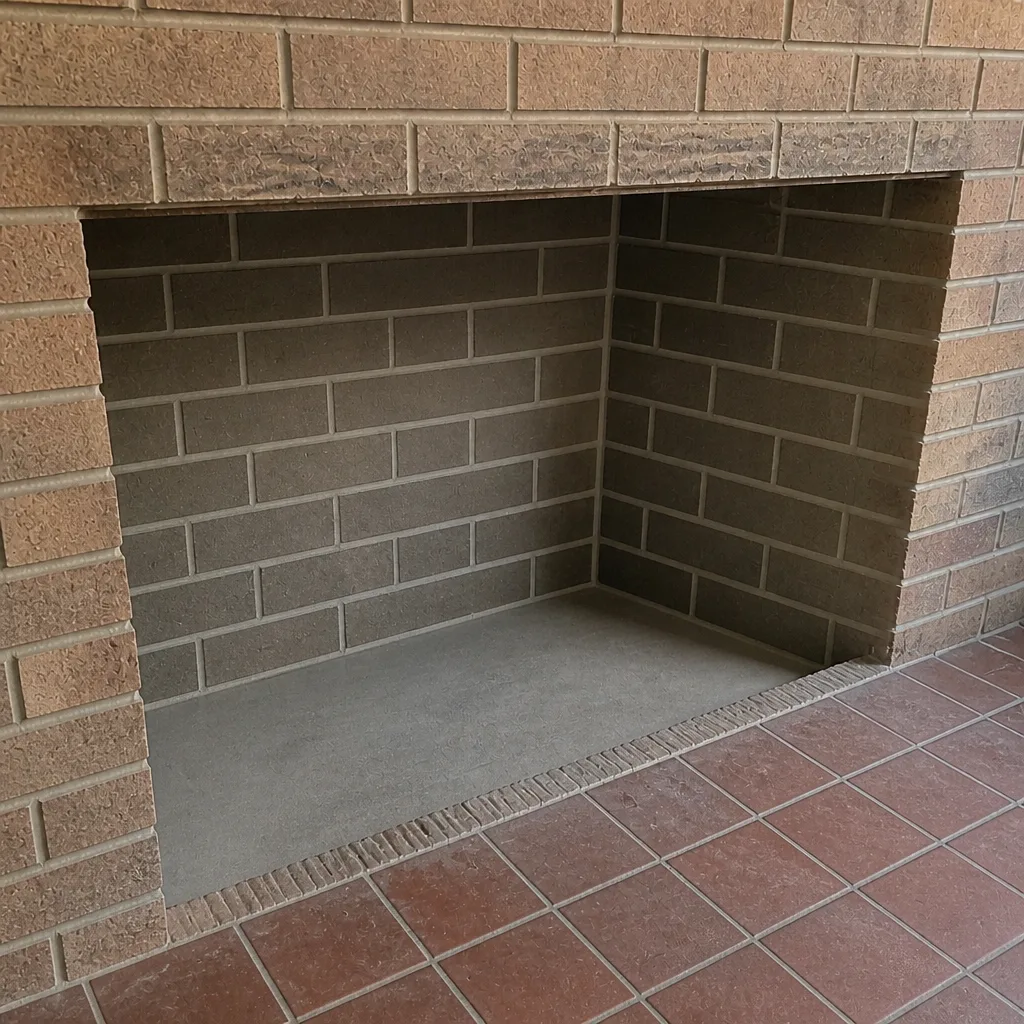
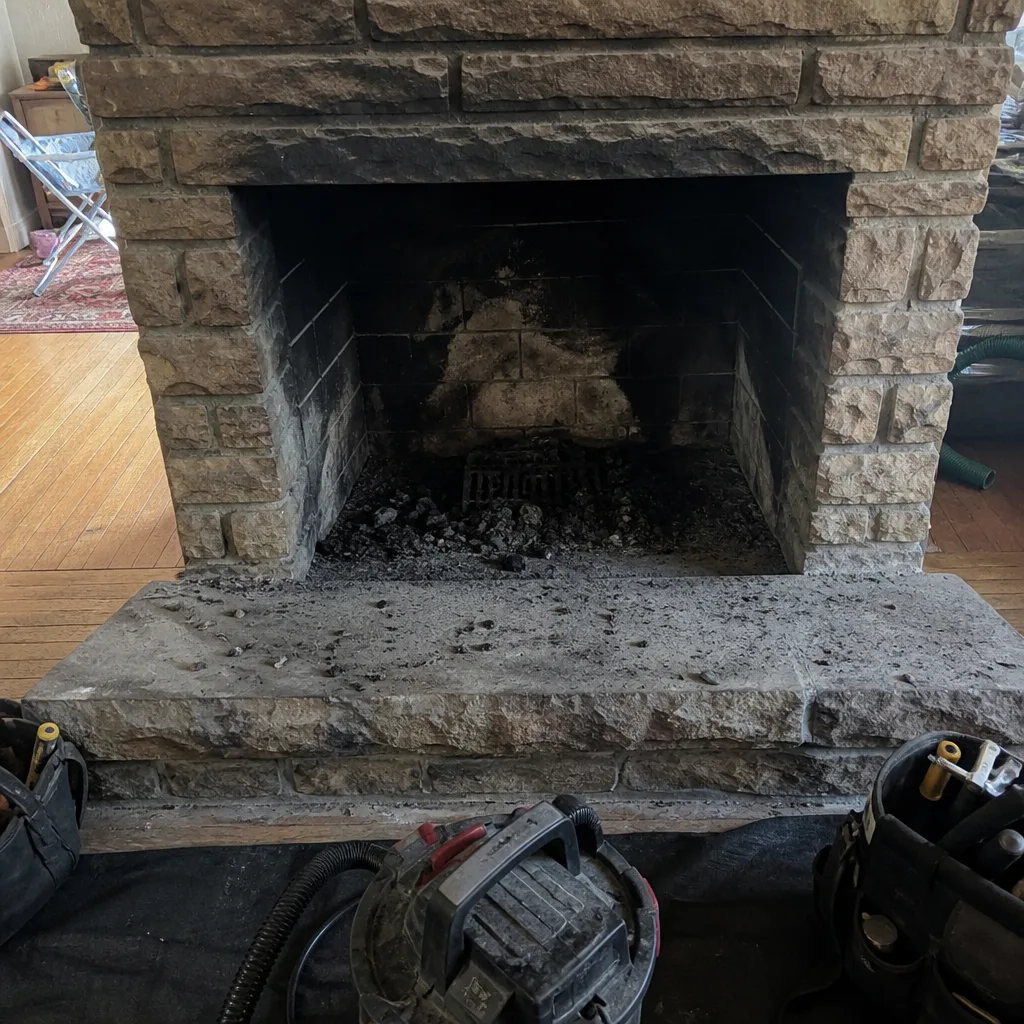
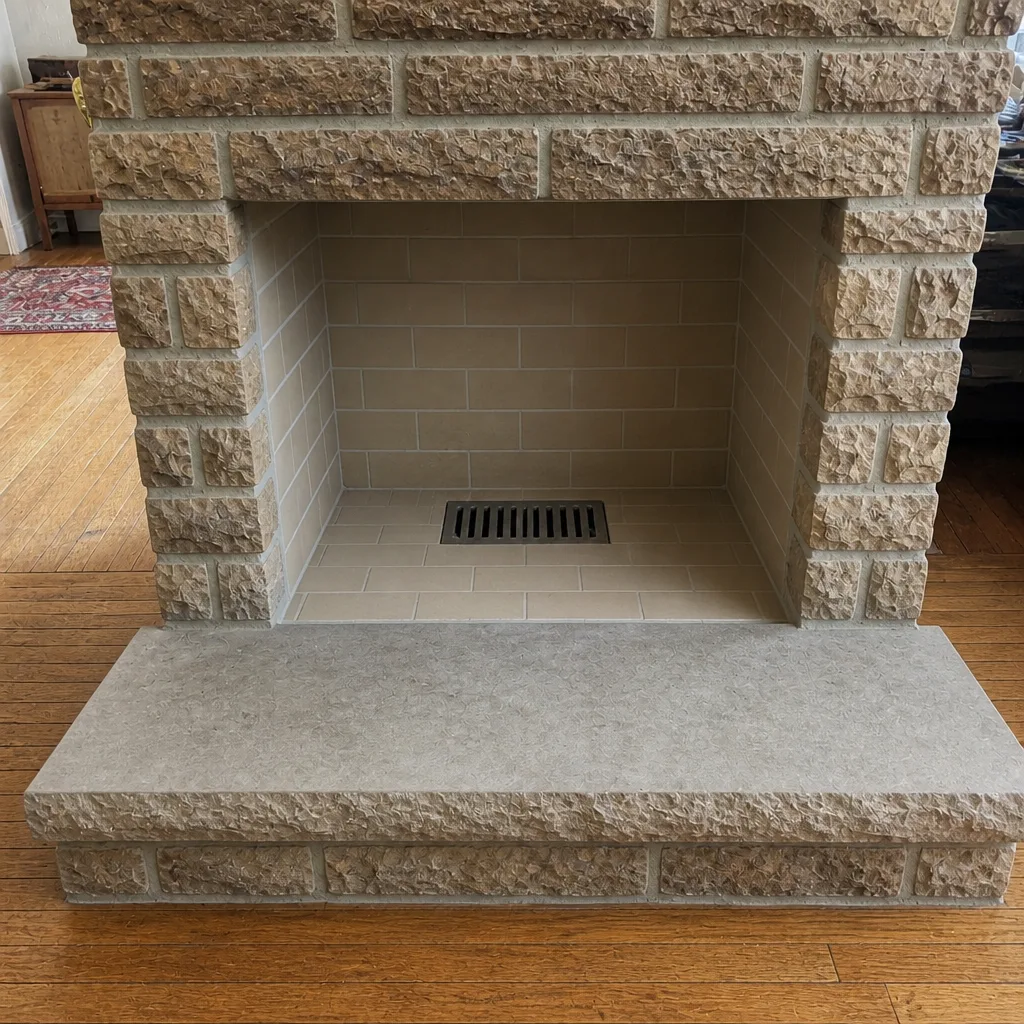
See the difference
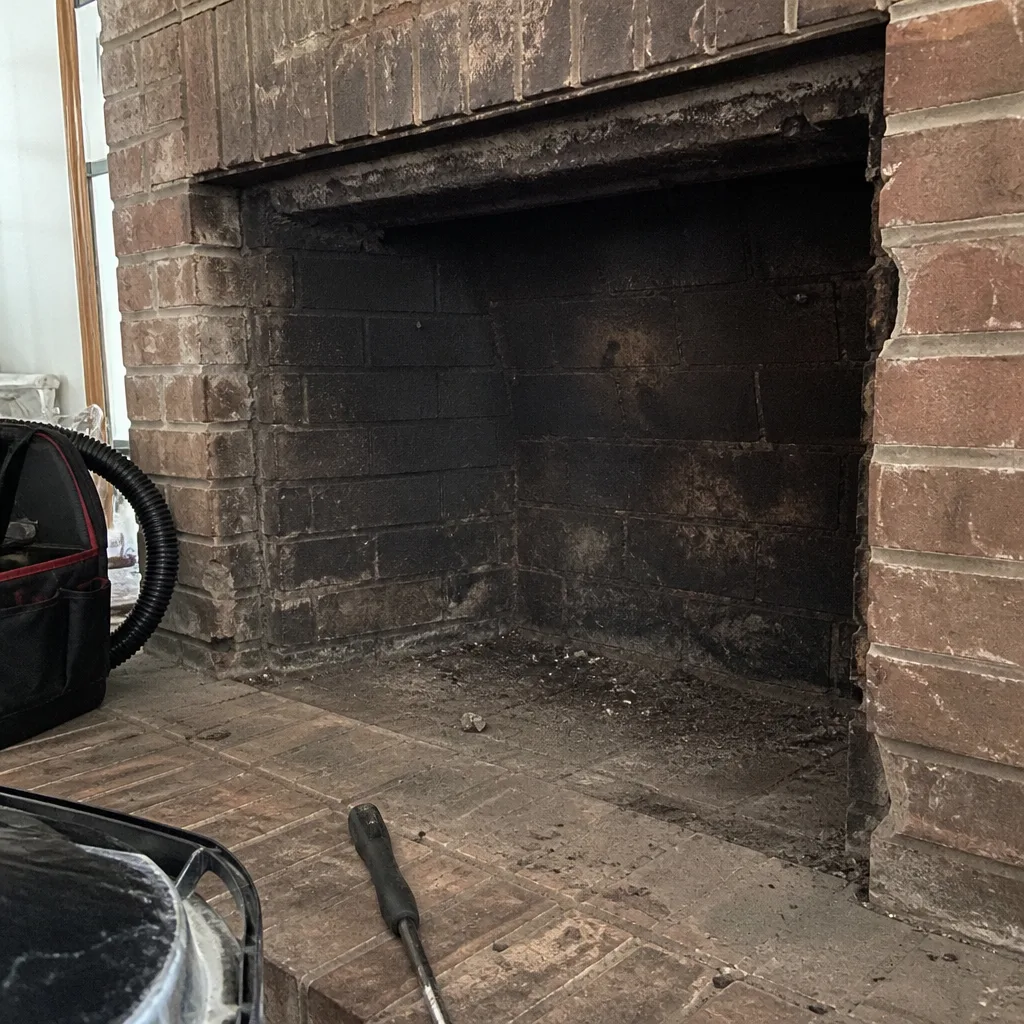 Before
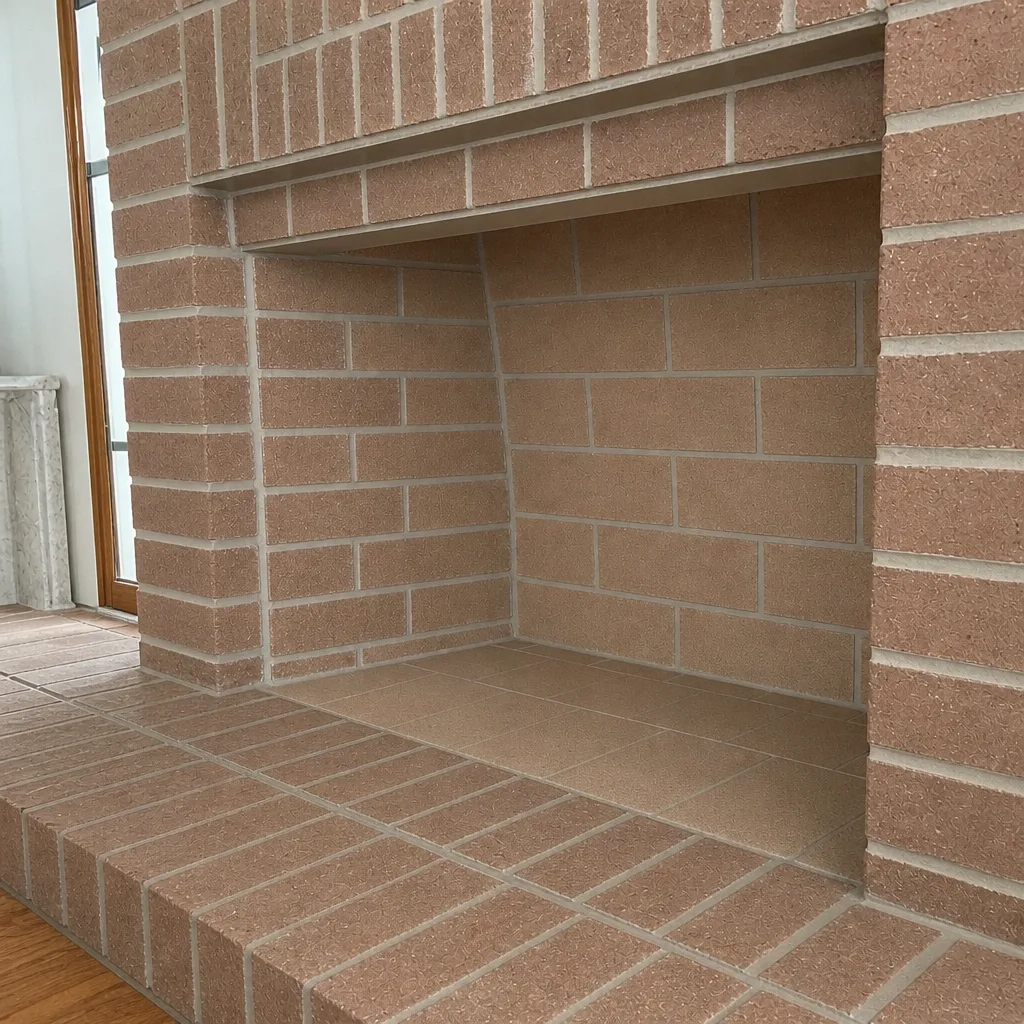 After
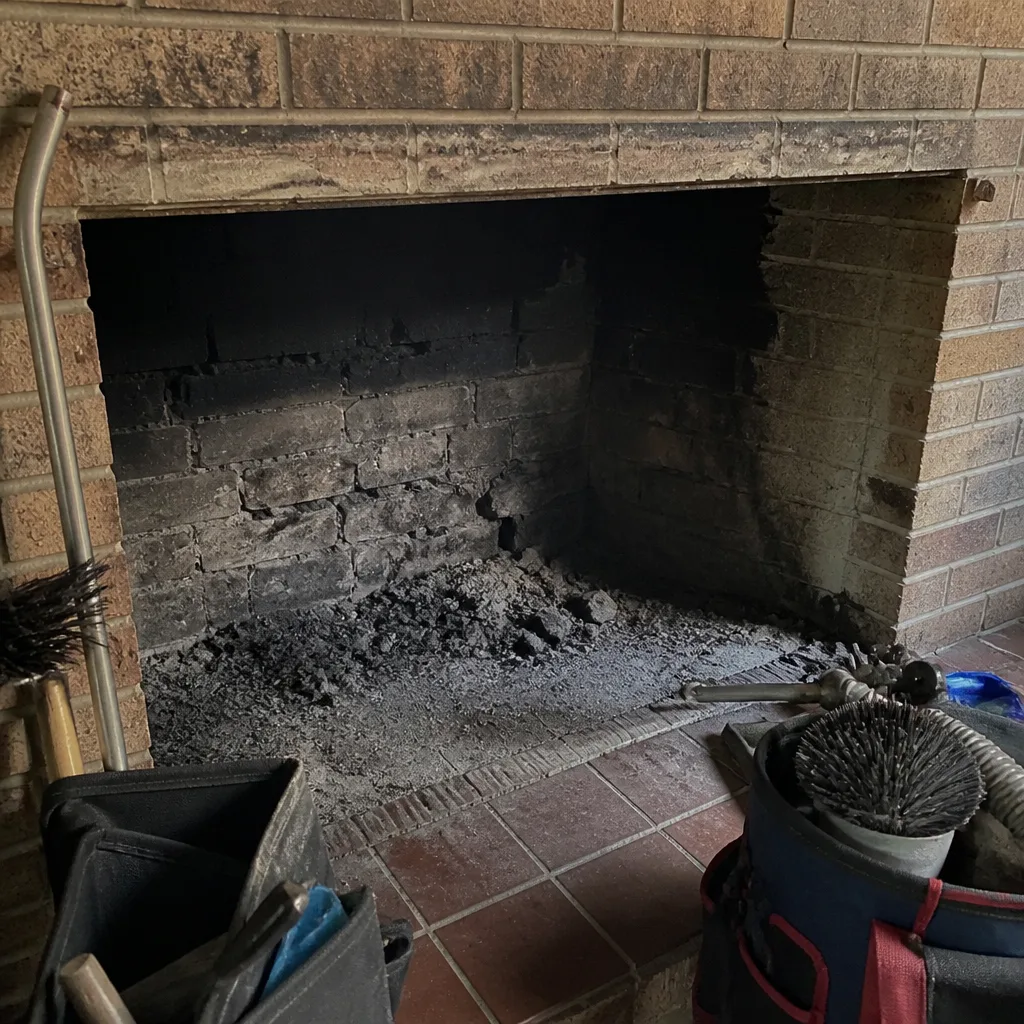 Before
 After
 Before
 After
When to Call a Professional
Call a professional when you don’t know the internal condition of your flue, when your home predates 1960 and the chimney may be unlined or clay-tiled, when you’re seeing glazed or tar-like creosote, or when you’re buying a home and need a documented inspection for the file. Call if you’ve never had the chimney inspected, if you’re switching fuels or appliances, or if a sweep turns up a condition that needs repair, since one crew from inspection to repair means no handoff between diagnosis and fix.
We inspect before we recommend, we work with professional-grade materials including Gelco and Famco components for venting and draft management, and we show you what we find on camera. Northwind Chimney Sweep offers free estimates in Minneapolis: call (844) 834-2087.
Frequently Asked Questions
Yes, and it happens more than most homeowners realize. A DIY cleaning removes loose soot and light creosote from the flue walls, but it doesn’t remove glazed Stage 2 creosote fused to the liner, and it can’t reveal a cracked clay tile or an unlined brick flue beneath the soot. You can finish a DIY clean with a chimney that looks clean and is still unsafe to use. The only way to know the difference is a camera inspection.
Most wood-burning chimneys need sweeping once a year, or more often with heavy use and unseasoned wood, and the real trigger is the amount of creosote that has built up rather than the calendar. In Minneapolis, where winter burning is concentrated and chimneys have been through decades of freeze-thaw, an annual inspection is the safe baseline. If the flue is glazed, unlined, or hasn’t been inspected, book before burning season rather than after a problem appears. Call (844) 834-2087 for an exact quote; estimates are free.
Three things, mainly: glazed creosote bonded to the liner, an assessment of the liner’s integrity, and documentation of the flue’s condition. The brush passes over a smooth glazed layer without removing it. It can’t see a hairline crack in a clay tile or a gap at a flue offset. And it produces no record you can show an insurer or a buyer. Each of those is a diagnostic gap a professional visit closes.
Yes, and the homeowners who’ve cleaned their own chimneys for years are often the ones who most need it. Regular DIY cleaning builds confidence without building knowledge of the liner’s condition, and in an older Minneapolis home that’s exactly the information you don’t have. One professional inspection with a camera establishes the baseline, and from there you can decide whether DIY maintenance on a sound, recently inspected system is reasonable for you. Call (844) 834-2087 for an exact quote; estimates are free.
We can’t speak to your specific policy, and you should read yours or ask your agent. What we can tell you is that professional inspection produces documented findings, including camera images, and that documentation is the kind of record insurers reference when evaluating a claim. A homeowner who did the work themselves has no equivalent record, which can complicate a claim. The inspection record is part of what a professional visit provides.
The risks are a chimney fire from creosote that built up unseen, carbon monoxide entering the home through a cracked liner or eroded masonry, and heat exposure to framing where clearances are inadequate. None of those announce themselves. A crack in a clay tile or a glazed layer on the liner worsens quietly until the conditions converge, and the first sign can be a fire. That’s not a scare tactic; it’s why inspection exists. A professional camera inspection tells you what your flue actually looks like. Call (844) 834-2087 for an exact quote; estimates are free.
The Bottom Line
The DIY versus professional chimney cleaning question isn’t really about cost or convenience. It’s about diagnostic access. A brush removes deposits; only a camera and a trained eye tell you whether the flue is safe. In Minneapolis, where pre-1960 housing, unlined and clay-tile chimneys, and hard freeze-thaw cycles concentrate the risk, that distinction matters more than it does in newer markets. DIY maintenance on a recently inspected, stainless-lined, lightly used flue is reasonable. DIY cleaning as the way you discover your chimney’s condition is not. When in doubt, get the inspection, get the documentation, and book before burning season.
If you’ve been cleaning your own chimney and aren’t sure what’s behind the soot, a professional sweep is the way to find out. We inspect before we recommend, we show you what’s in the flue on camera, and we handle sweeping, repair, and inspection with one crew from start to finish. Our technicians have up to 12 years of experience with exactly the chimney conditions Minneapolis homes present, and we work with professional-grade materials, including HeatShield ceramic resurfacing for liner restoration and DuraFlex flexible liner systems for relining, not hardware-store substitutes.
Call (844) 834-2087 for a free estimate. We answer 24/7. Fast dispatch from 7am to 7pm, Sunday through Friday. When you’re ready to know what’s really going on in your chimney, start with a professional sweep and a camera inspection in Minneapolis.
Written by the team at Northwind Chimney Sweep.