
Last updated November 15, 2026
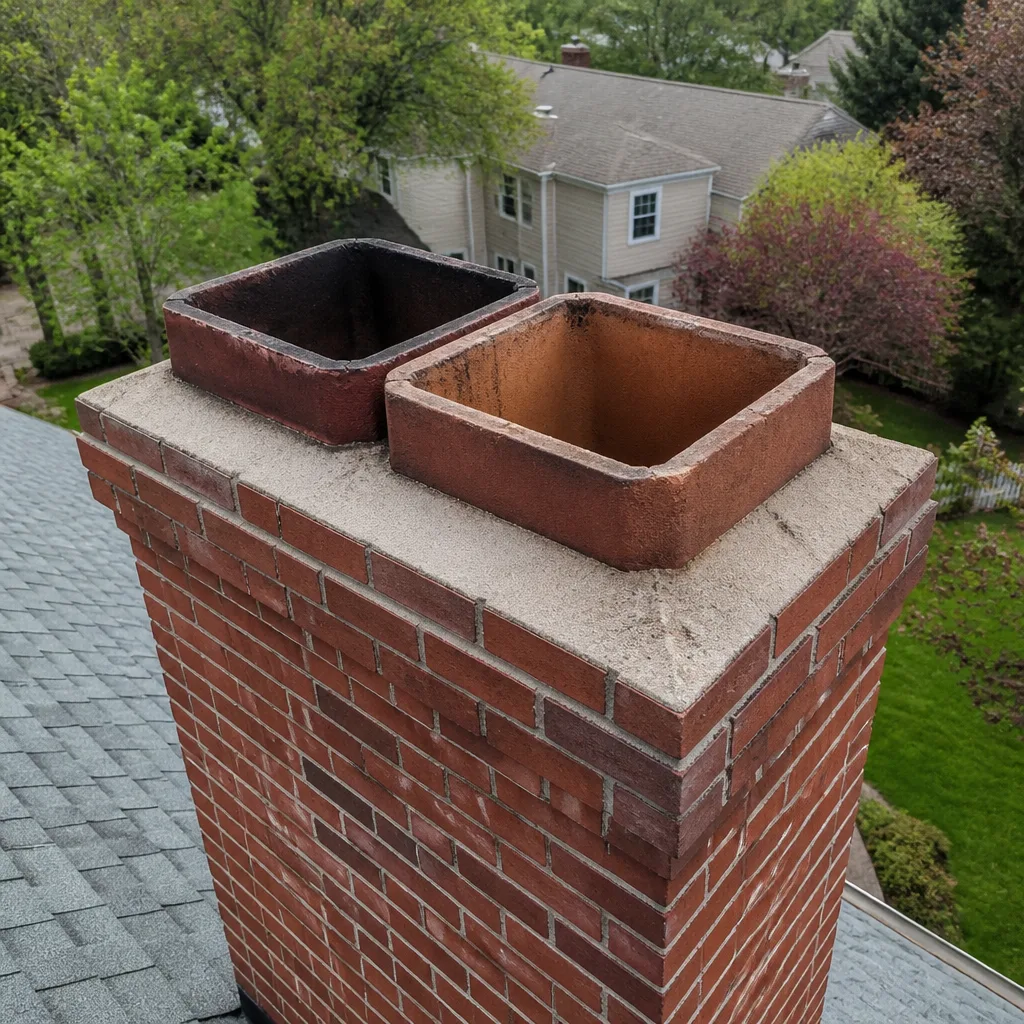 Sweep & inspection
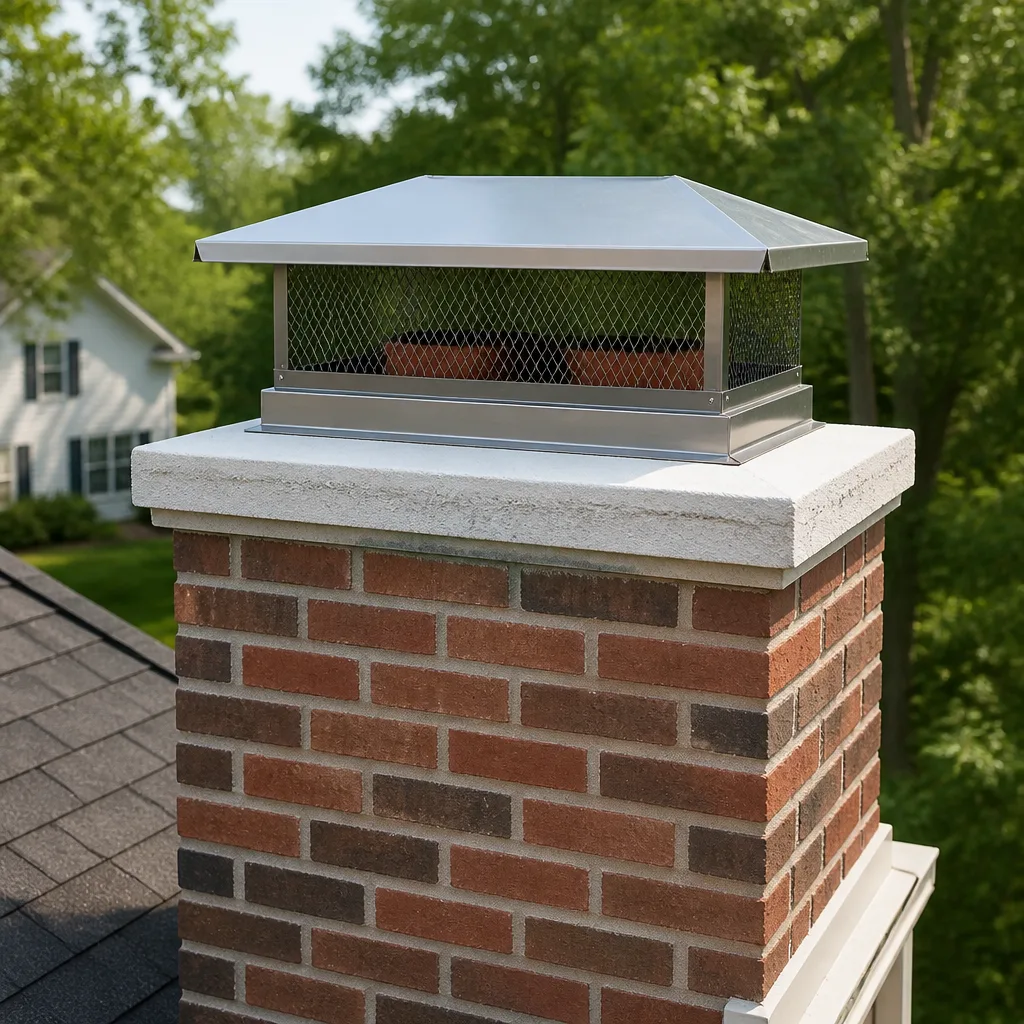 Caps & crowns
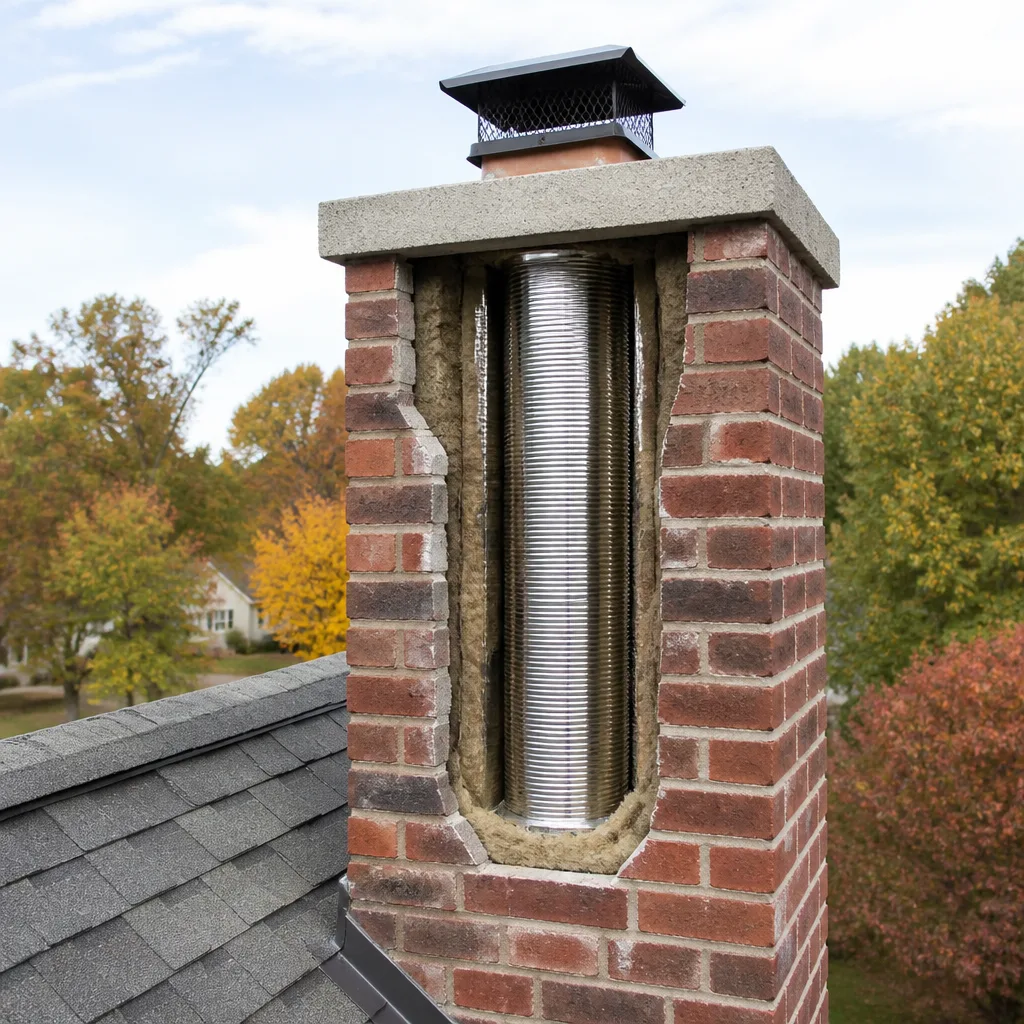 Flue relining
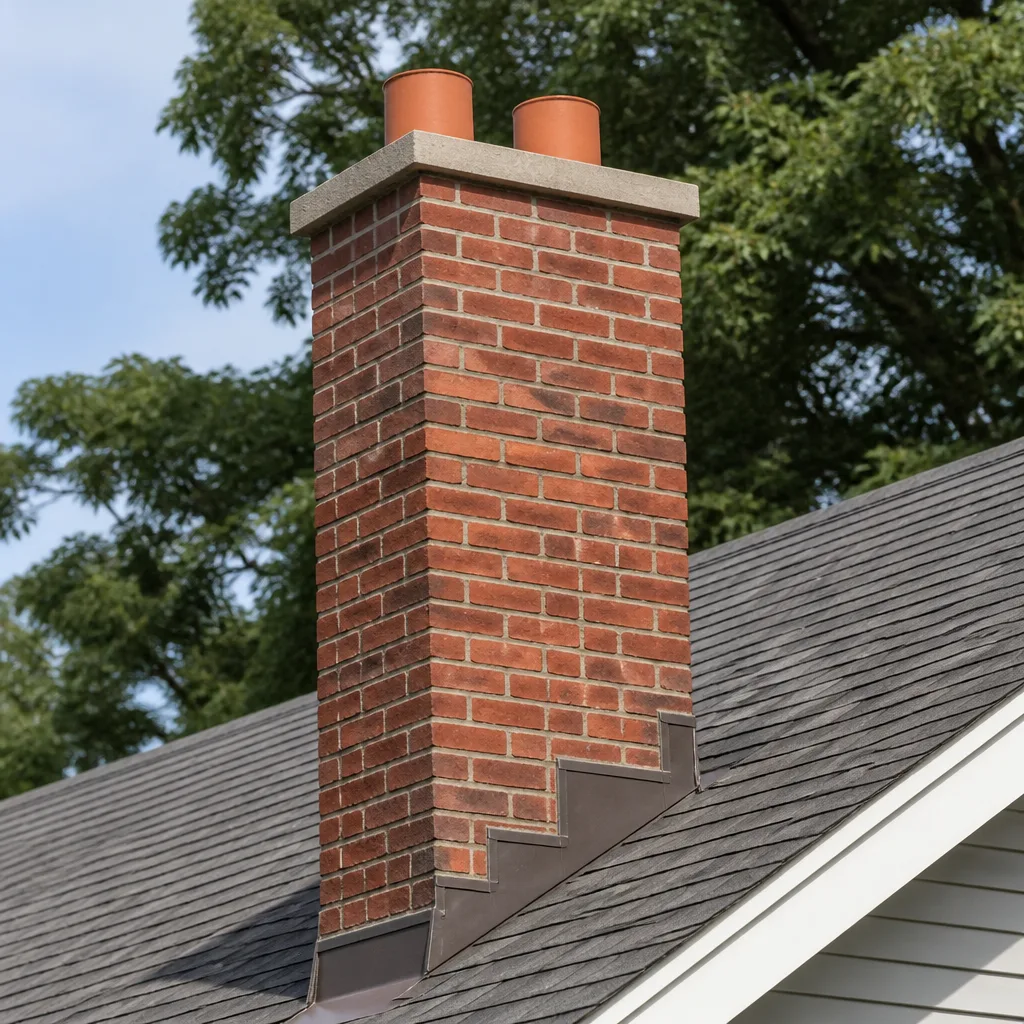 Masonry repair
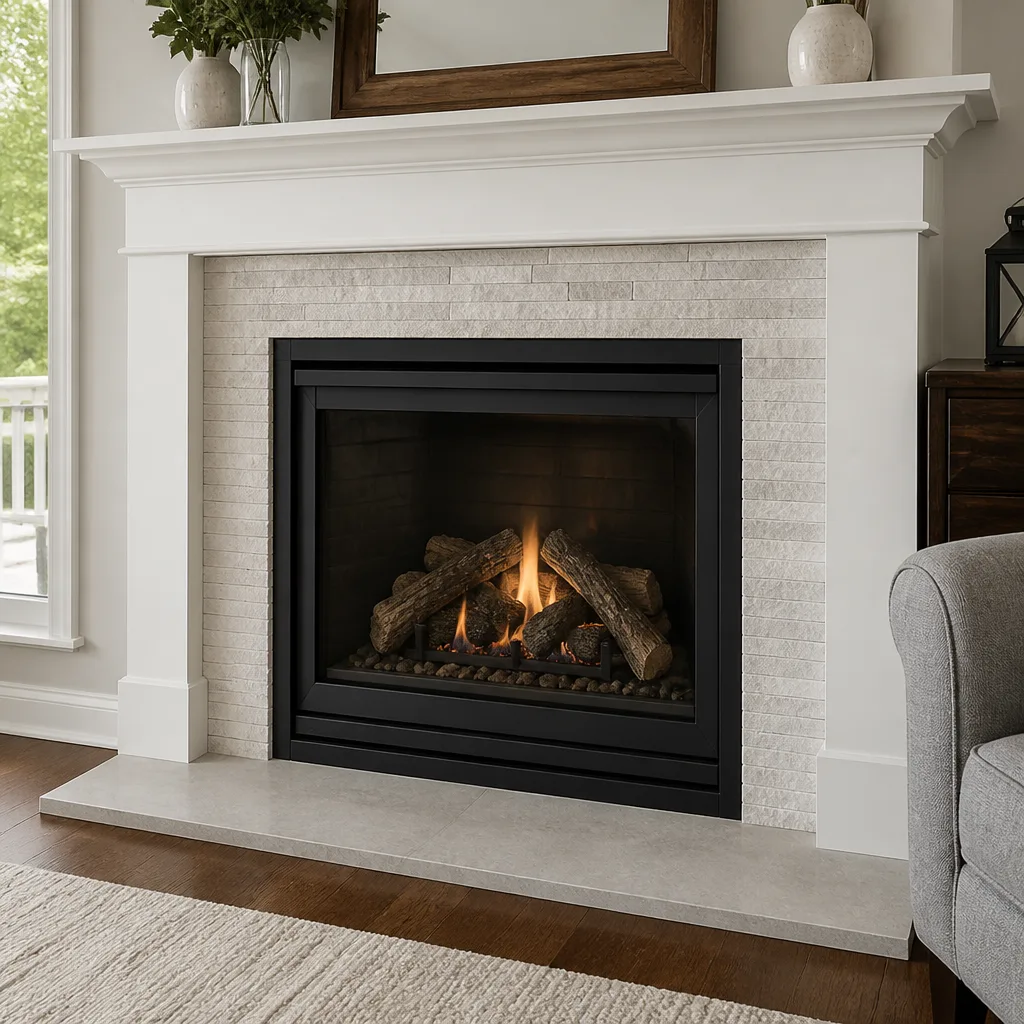 Gas fireplace service
Level 1 sweep and inspection to the NFPA 211 annual standard - flue, crown, cap, and flashing checked and photographed
Chimney sweep logs do not sweep chimneys. They loosen some creosote - which then falls where a brush and vacuum still have to collect it.
Seasonal Chimney Cleaning Care for Minneapolis: Year-Round Homeowner’s Guide
The chimney fire risk you face in January was largely set up by what didn’t happen the previous April. That’s the part most homeowners miss. In Minneapolis, a chimney isn’t a seasonal appliance you service once and forget. It’s a system moving through a chain of seasons, and breaking one link quietly loads the next. The long burn season leaves acidic residue that sits all summer. The summer sun bakes masonry that needed sealing in June. The fall inspection you skipped is the reason the first hard freeze finds a cracked crown. This guide walks through all four phases, what each season does to a chimney in this climate, and how to keep the whole chain intact from year to year.
Quick Answer
Year-round chimney care in Minneapolis means four distinct phases, not one annual sweep: a post-heating-season clean and damage assessment in spring, masonry and waterproofing work in summer that must cure before freeze-thaw returns, a pre-season inspection before October in fall, and mid-season monitoring at the firebox in winter. Each phase prevents the damage the next season would otherwise cause. Skip one and the cost typically moves from a maintenance item to a repair project.
Styles & brands we work with
- Sweep & inspection
- Caps & crowns
- Flue relining
- Masonry repair
- Gas fireplace service
Table of Contents
- Spring: Why the Clean After the Burn Season Matters Most
- What to Look for in a Liner After a Long Burn Season
- Summer: The Overlooked Maintenance Window
- Animal Nesting: The Blockage You Won’t Find Until Fall
- Fall: The Pre-Season Inspection Sequence
- Winter: Reading the Firebox for Early Warning Signs
- Common Mistakes to Avoid
- When to Call a Professional
- Frequently Asked Questions
Spring: Why the Clean After the Burn Season Matters Most
Spring is when a chimney tells the truth about the winter it just had. During a long Minneapolis heating season, a wood fire produces creosote and, just as importantly, acidic condensate. That condensate forms where warm flue gases meet a cold flue wall, which in this climate is most of the winter. Left in place, those acidic deposits sit against the liner and masonry through the humid months and keep working on the metal and mortar. A spring sweep is not just tidying up after the burn season. It’s an inspection of the damage the burn season caused.
What a spring visit should actually accomplish:
- Remove creosote and soot so acidic residue isn’t sitting on the liner through the humid season.
- Assess the flue for glaze or heavy deposits that signal a draft or fuel problem worth correcting.
- Check the firebox, damper, and smoke chamber for cracks that opened during the heating season.
- Look at the exterior at the crown and flashing, where winter freeze-thaw does its first damage.
- Confirm the cap is intact after a winter of ice, snow load, and wind.
In Minneapolis, the smart timing is late spring, once you’re confident the burning is done for the year. That gives you a clean, inspected flue going into summer, when the real threat shifts from fire to moisture. The chimney sweep is the diagnostic foundation of everything that follows. We inspect before we recommend anything, because spring findings set the work list for the rest of the year.
What to Look for in a Liner After a Long Burn Season
A liner that survived the winter isn’t necessarily a liner that’s ready for another one. After months of heating cycles, the things worth checking are specific. Cracks and gaps in a clay tile liner open at the joints where thermal movement stresses the mortar. A stainless liner can show corrosion at the seams or at the top connection, especially where condensate has been collecting. Any of these creates a path for heat, gases, or moisture to reach the structure around the flue.
This is where the right material matters, and it’s why we work with professional-grade lines rather than hardware-store substitutes. When a liner does need attention, the options range from restoration to full relining, and the decision should follow the evidence, not a sales script:
- Assess the existing liner. A camera inspection shows the actual condition of the flue from top to bottom, including the sections you can’t see from the firebox.
- Consider restoration first. HeatShield ceramic resurfacing can extend the life of a liner that’s worn but structurally sound, which avoids a full replacement when the flue qualifies. It’s a repair approach many general sweeps can’t offer.
- Relining when it’s warranted. A DuraFlex flexible liner system is the answer when the existing liner is failed or the flue needs to be brought to a sound, properly sized condition. It’s the same product class specified in demanding commercial and historic work.
- Verify draft and termination. The liner is only as good as how the system terminates. Caps and venting from lines like Gelco and Olympia Chimney finish the job so the whole assembly performs.
We don’t recommend a reline because a liner looks old. We recommend it when the evidence shows the flue can’t safely carry what you’re asking it to carry. If it can safely wait, we say so. That’s the difference between a diagnostic and an upsell.
Summer: The Overlooked Maintenance Window
Summer is the season most Minneapolis homeowners ignore their chimney entirely, and it’s the season the masonry needs you most. The freeze-thaw cycle that defines winters here is unforgiving to brick, mortar, and crowns that have taken on water. A crown that’s cracked in spring lets moisture into the masonry all summer. Come the first hard freeze, that trapped water expands and pries the structure apart a little more. Then it thaws, refreezes, and does it again. Summer is the window when masonry repairs and waterproofing can cure properly before that cycle returns.
The work that belongs in summer, while the weather cooperates:
- Crown repair or sealing. The crown is the concrete cap at the top that sheds water away from the flue. Cracked crowns are the single most common entry point for moisture.
- Masonry repointing. Mortar joints that have crumbled get repacked while temperatures allow the new mortar to cure correctly.
- Tuckpointing and brick replacement. Spalled or cracked bricks get replaced before the next winter opens them further.
- Waterproofing. A breathable water repellent on sound masonry slows water absorption without trapping moisture inside. It must go on sound masonry, which is why repairs come first.
- Flashing checks. The seal where the chimney meets the roof is a frequent leak path that’s easy to reach in summer.
Here’s the part competitors skip: none of this work should happen before the masonry is dry and the repairs are complete. Waterproofing over a cracked crown or a wet wall just traps the problem. We sequence summer work deliberately for this reason. The right material applied to the wrong condition is worse than waiting.
Animal Nesting: The Blockage You Won’t Find Until Fall
Chimneys are attractive real estate for birds, squirrels, and raccoons, and the nesting season lands squarely in spring and early summer, when the flue is sitting idle. An uncapped or damaged-cap chimney is an open door. A bird builds a nest on the smoke shelf. Squirrels pack in leaves and debris. Raccoons, larger and more determined, can do real damage getting in and out. None of it is visible from the firebox, and none of it announces itself until you light the first fire of fall and the smoke won’t go up.
A blocked flue isn’t a minor annoyance. It’s a serious hazard. A blocked chimney pushes carbon monoxide and smoke back into the house instead of up and out, and that can happen with no obvious warning beyond a fire that won’t draw properly. This is exactly why a fall inspection before the first burn matters more than a fall inspection after. You want to discover a nest while it’s still a maintenance item, not when your living room is filling with smoke.
Two things prevent most of this. First, make sure the chimney is properly capped with a cap that’s actually intact, not a rusted screen or a missing top. Termination caps from lines like Famco or Gelco close off the opening while still letting the flue breathe. Second, get eyes on the flue between seasons. A camera inspection in late summer catches a nest, a fallen cap, or a buildup of leaves before it becomes a problem. If you’ve ever wondered why your chimney smokes on the first fire of the year, this is a common answer here in Minneapolis, where mature trees around many homes give wildlife plenty of launch points.
Fall: The Pre-Season Inspection Sequence
In this climate, scheduling your pre-season inspection before October isn’t optional. It’s a deadline. The first cold snap sends everyone in Minneapolis to the phone at once, and the reading you need most urgently is the one you can’t get on short notice. Book the inspection in late summer or early fall, while there’s still time to complete any repair it uncovers before you actually need the fireplace. An inspection that finds a problem in November, when the work can’t be scheduled before the weather turns, has done you no favors.
A proper pre-season inspection follows a sequence, and the order matters:
- Exterior first. Check the crown, cap, flashing, and masonry for the damage summer should have caught. Anything found here gets flagged for repair before the first fire.
- Firebox and smoke chamber. Look for cracks, gaps, and deteriorated mortar where the fire actually burns.
- Damper operation. Confirm it opens, closes, and seals properly, since a stuck damper is a common fall discovery.
- Flue scan. Run a camera down the flue to check for creosote level, blockage, and liner condition, top to bottom.
- Draft test. Confirm the system actually pulls as it should before you rely on it.
- Clear and verify. Any nest, debris, or obstruction gets removed and re-verified before the chimney is signed off as ready.
This is the standard our inspections align with, the benchmark buyers and insurance companies reference at closing. That last point matters if you’re selling a home in Minneapolis: a documented inspection makes the chimney a known quantity instead of a negotiating point. Fall is when the inspection earns its keep, but the work behind it is proof you can carry into any season.
Winter: Reading the Firebox for Early Warning Signs
Once the burning season starts, the chimney is telling you things every day. The problem is that most people don’t know what to watch for, so a developing issue runs straight through the winter unaddressed. You’re not expected to inspect your own flue. You are the person at the firebox, though, and a few changes in how the fireplace behaves are worth noting and acting on.
Watch for these mid-season signals:
- A fire that draws poorly. Smoke that rolls into the room or a fire that struggles to catch can signal a partial blockage or a draft problem that got worse since fall.
- Stronger or different odors. A sharp, acrid smell, especially on a cold, damp day or when the fire first lights, can point to creosote or moisture where there shouldn’t be.
- Visible changes at the firebox. New cracks in the firebox brick, crumbling mortar, or a damper that no longer seals are things to note and report.
- Creosote buildup you can see. Heavy, shiny, glazed deposits inside the flue are a fire risk and a sign the burn isn’t complete. If you can see significant buildup, it’s time to stop and call.
- Water or staining. Dampness around the chimney, or staining on the ceiling or walls near it, points to a moisture or flashing problem that shouldn’t wait for spring.
Winter is also the season creosote fires happen, and a chimney fire isn’t always the roaring, obvious event people imagine. It can burn quietly in the flue. If you suspect one, get out, call the fire department, and have the chimney inspected before you use it again. If you notice any of the signals above, don’t push through the rest of the season hoping it holds. We answer 24/7, and a call outside dispatch hours is booked into the next opening, Sunday through Friday, 7am to 7pm. Getting eyes on it mid-season is far better than discovering the damage in April.
Common Mistakes to Avoid
- Treating chimney care as a single fall task. A fall sweep alone misses the spring damage assessment and the summer masonry window. The four phases work together, and skipping one just moves the problem to the next season.
- Waterproofing over unrepaired masonry. Sealing a cracked crown or wet wall traps moisture inside, which is worse than leaving it. Repairs come first; waterproofing goes on sound, dry masonry. In a Minneapolis freeze-thaw winter, trapped water is the enemy.
- Waiting until the first cold snap to book. Everyone calls at once when the temperature drops. Scheduling the pre-season inspection before October is how you avoid being at the back of the line when you actually need the fireplace.
- Assuming the cap is fine because you can’t see it from the ground. A rusted screen or a missing cap is an open invitation to nesting wildlife all spring and summer. It deserves a real look, not a glance from the yard.
- Relining on a hunch instead of evidence. A worn-looking liner isn’t automatically a failed one. HeatShield restoration may extend a sound liner’s life without a full replacement. The right call follows a camera inspection, not a guess, and not a sales push.
- Ignoring a fire that suddenly smokes. A fireplace that worked fine last winter and smokes now is telling you something changed. A nest, a fallen cap, or new blockage are common causes, and none of them fix themselves.
- Burning through the season with visible glazed creosote. Heavy glazed deposits are a fire risk and a sign of incomplete combustion. If you can see them, stop and get the flue checked rather than pushing through to spring.
When to Call a Professional
Some chimney work is a homeowner’s job. Most of what actually matters isn’t. Call a professional when you see glazed creosote, when the fireplace smokes or draws poorly, when the firebox has new cracks, when you suspect a chimney fire, or when a fall inspection turns up a liner or masonry problem you can’t evaluate from the ground. Call when you’ve bought a home in Minneapolis and want the chimney documented before closing. Call in spring if the winter was a heavy burn season, and call in late summer if you haven’t had the flue checked in a year. Electrical, gas, and high-tension work is never a homeowner’s job, and neither is climbing onto a roof to inspect a flue.
Northwind Chimney Sweep offers free estimates in Minneapolis. Call (844) 834-2087. We answer 24/7. Fast dispatch from 7am to 7pm, Sunday through Friday.
Frequently Asked Questions
A standard chimney sweep is priced per job from a written estimate, and the estimate is free, so the cost depends on your flue, its condition, and what the inspection finds. We set the price in writing before any work begins, so there are no surprises. Call (844) 834-2087 for an exact quote.
Once a year is the baseline for a home that burns regularly, and in a climate with a long heating season like Minneapolis, a spring sweep after the burn season is a smart habit. Heavy burning, or burning wood that produces a lot of creosote, can warrant a check sooner. Call (844) 834-2087 and we’ll help you settle on the right schedule for your fireplace.
A fire that smokes on the first cold night usually means a blockage, a damaged cap, or a draft problem that developed while the chimney sat idle. Animal nesting, fallen debris, and a missing cap are the most common causes in this climate. Don’t burn through it. Call (844) 834-2087 and get the flue checked before you light another fire.
A liner only needs replacing when the evidence shows it, and a camera inspection shows you exactly what it shows us, top to bottom. Sometimes a worn liner can be restored with HeatShield ceramic resurfacing instead of fully replaced, and sometimes a reline with a DuraFlex system is genuinely the right call. We recommend the repair the evidence supports, and we tell you plainly when work can safely wait. Call (844) 834-2087 to see for yourself.
Skipped care lets problems compound across seasons: creosote and acidic condensate sit on the liner, moisture gets into unsealed masonry through freeze-thaw, and a fall inspection turns up a problem that’s now a repair instead of maintenance. The real risk is a chimney fire or carbon monoxide backing into the home when a flue is blocked. Call (844) 834-2087 and we’ll walk you through where your chimney actually stands.
Yes, and it’s worth doing. A pre-purchase inspection documents the chimney’s condition so it’s a known quantity at closing rather than a surprise, and our inspections align with the benchmark insurance companies and buyers reference. Call (844) 834-2087 to schedule one before you sign.
The Bottom Line
Chimney care in Minneapolis works as a chain, not a checklist. Spring cleans the flue and assesses the winter’s damage. Summer repairs and waterproofs the masonry while it can still cure. Fall inspects the whole system before October, and winter monitoring catches what develops once the burning starts. Break any link and the next season inherits the problem: acidic residue left on a liner, moisture trapped in a cracked crown, a nest no one found until the first cold night. The four phases together cost far less than the repair a skipped season creates. If you’re ready to set up your own seasonal schedule, we’re glad to help.
Call (844) 834-2087 for a free estimate. We answer 24/7. Fast dispatch from 7am to 7pm, Sunday through Friday. Northwind Chimney Sweep handles sweeping, repair, and inspection with professional-grade materials from DuraFlex, HeatShield, Gelco, Olympia Chimney, Famco, and Copperfield, all with the same crew from diagnosis through repair. Our technicians have up to 12 years of experience, and we inspect before we recommend.
Written by the team at Northwind Chimney Sweep.
See the difference
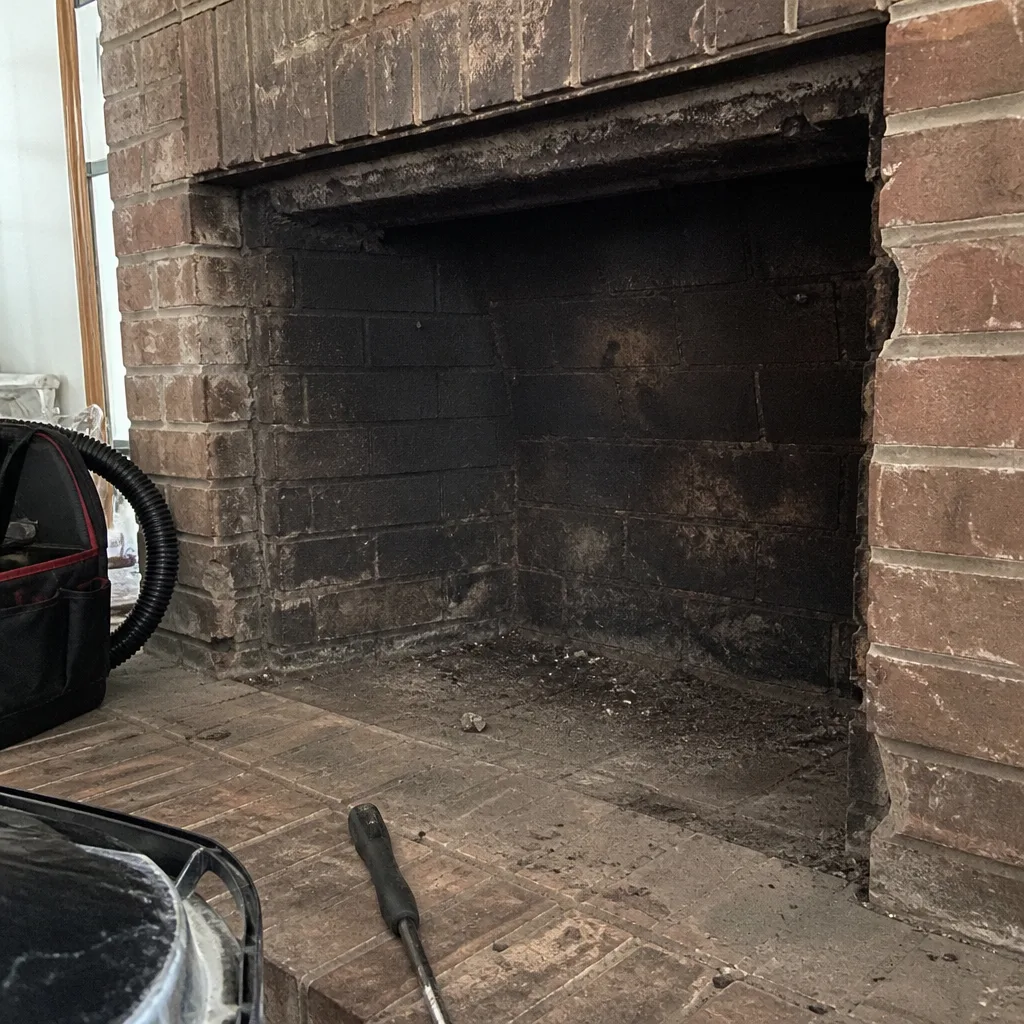 Before
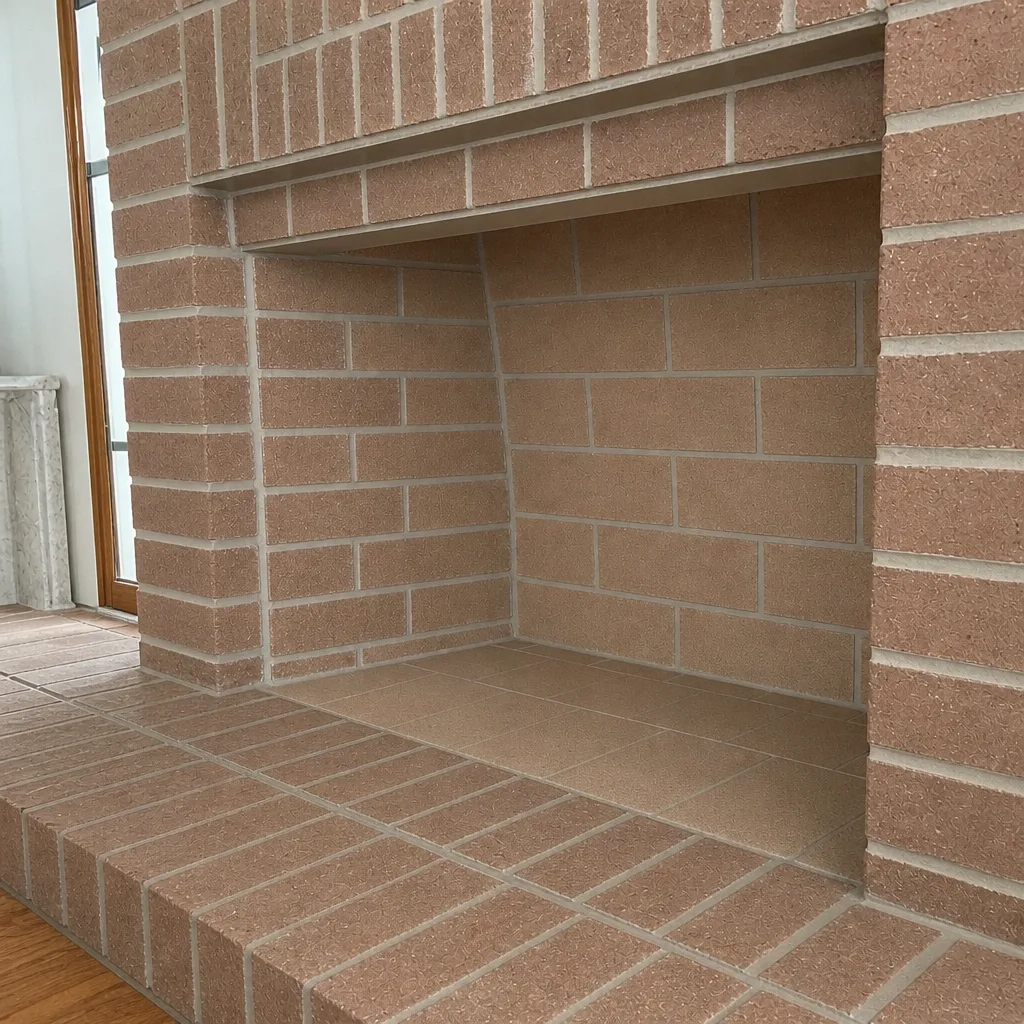 After
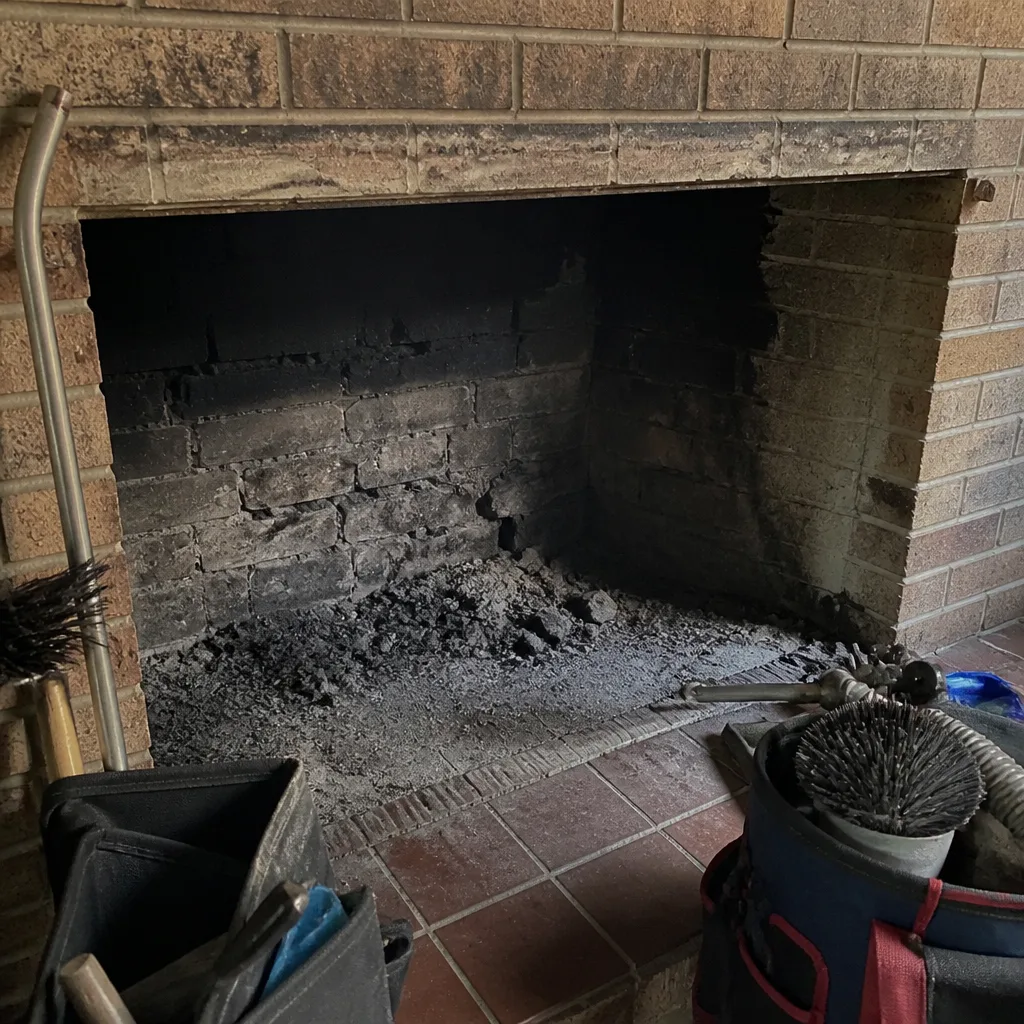 Before
 After
 Before
 After