
Last updated November 15, 2026
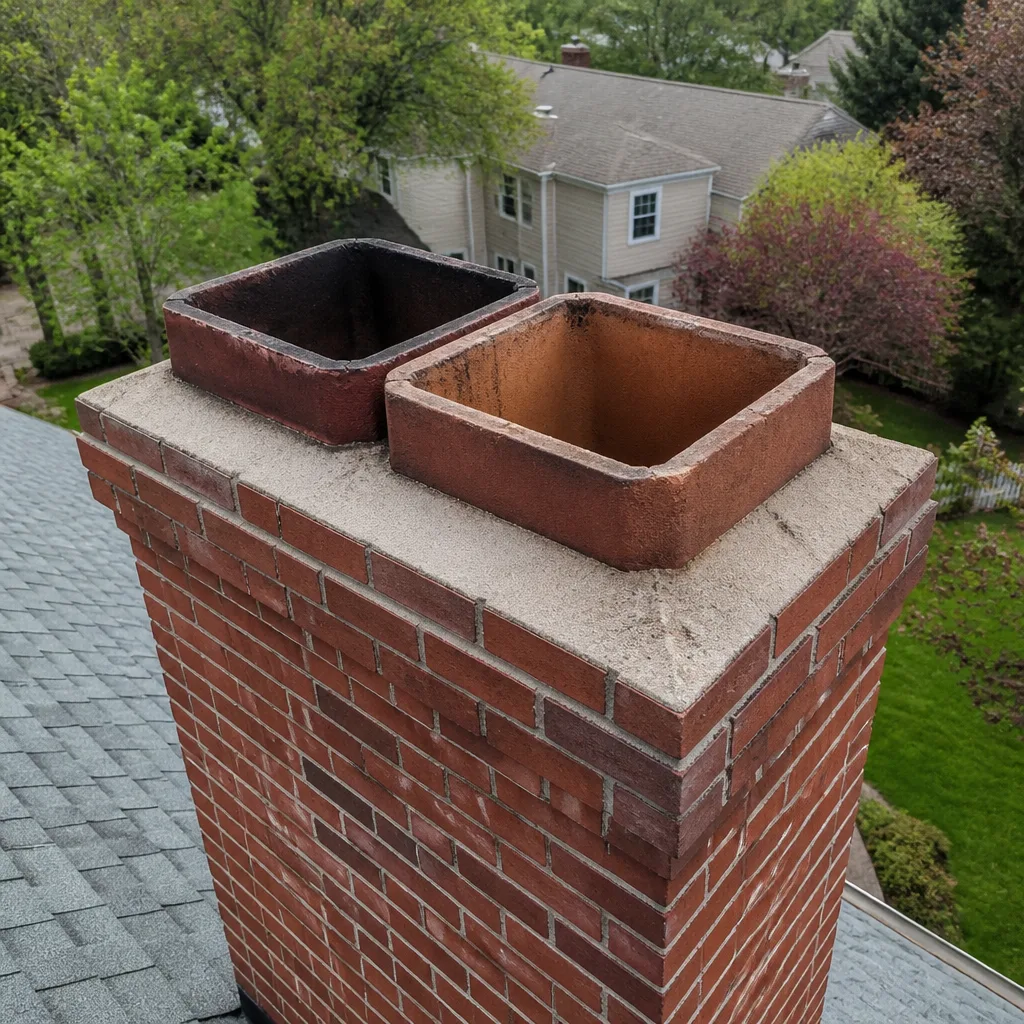 Sweep & inspection
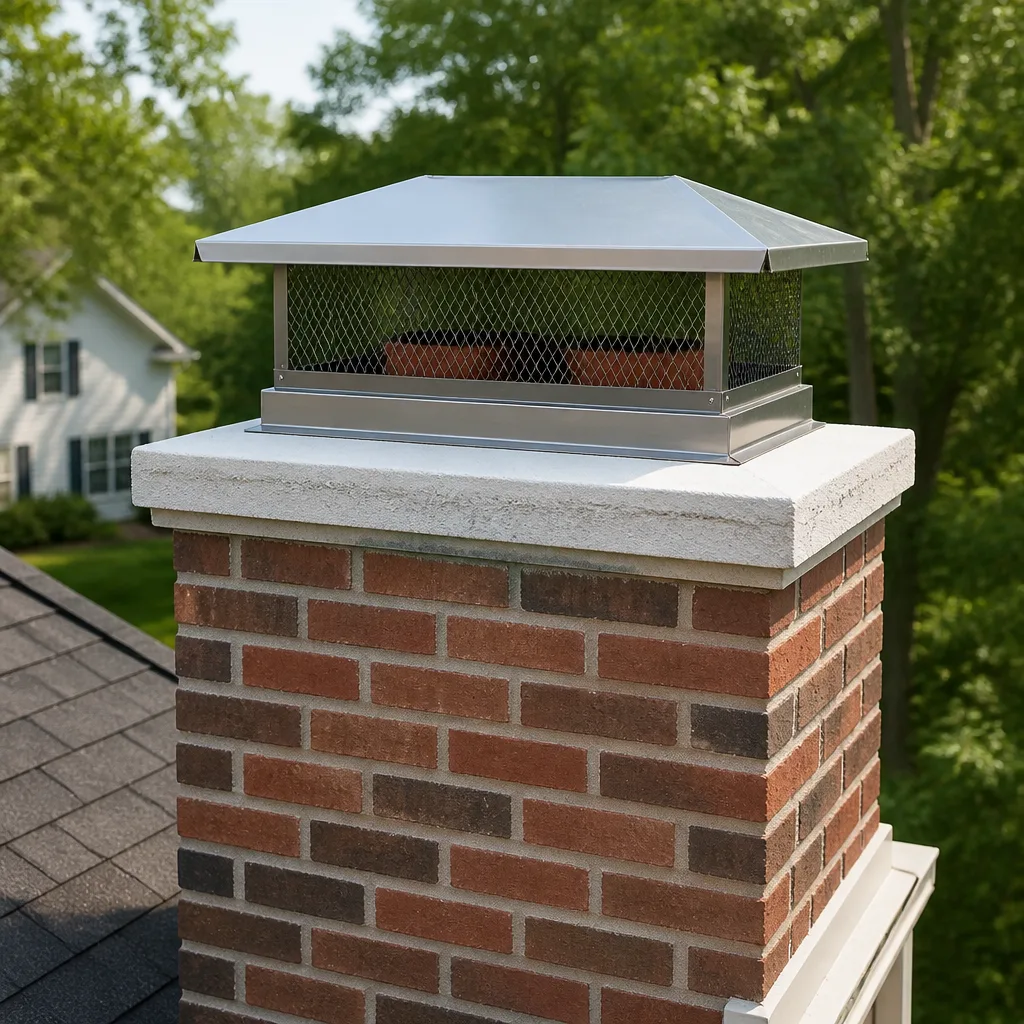 Caps & crowns
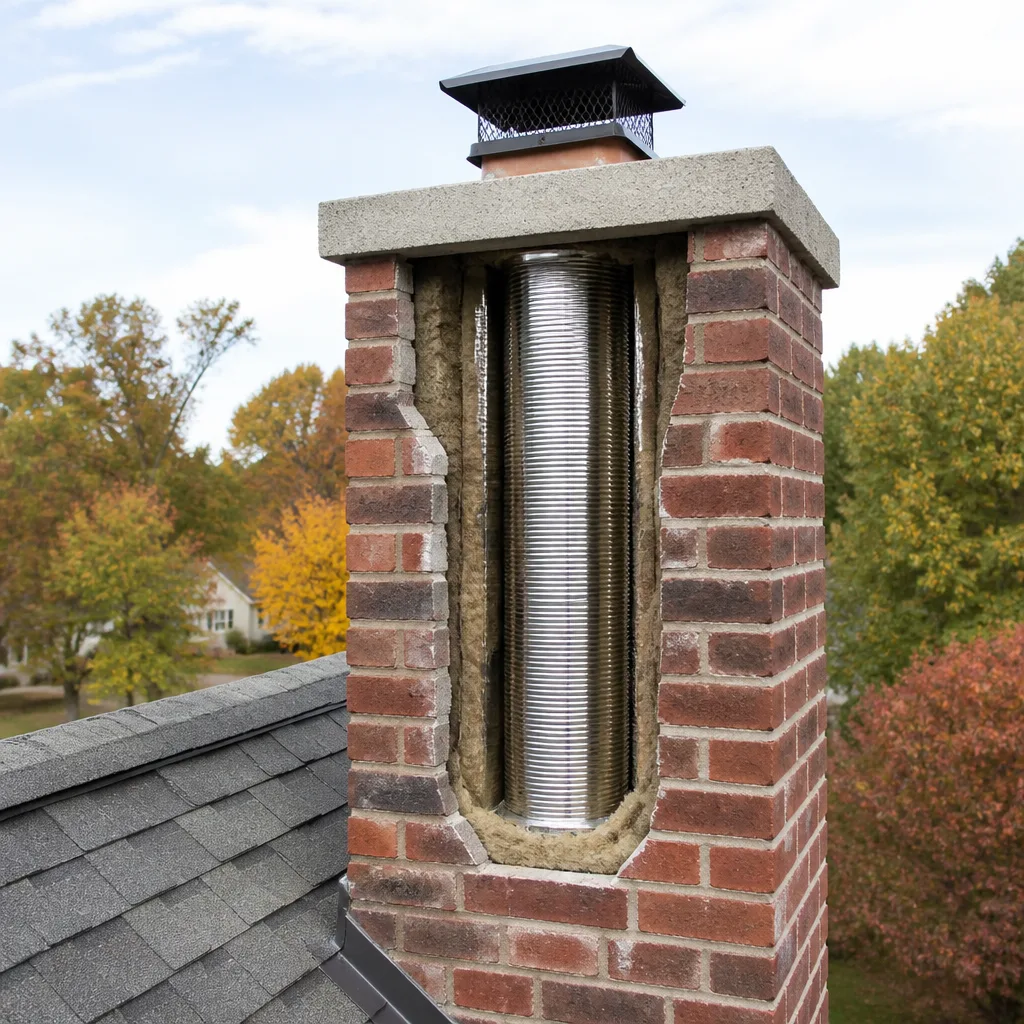 Flue relining
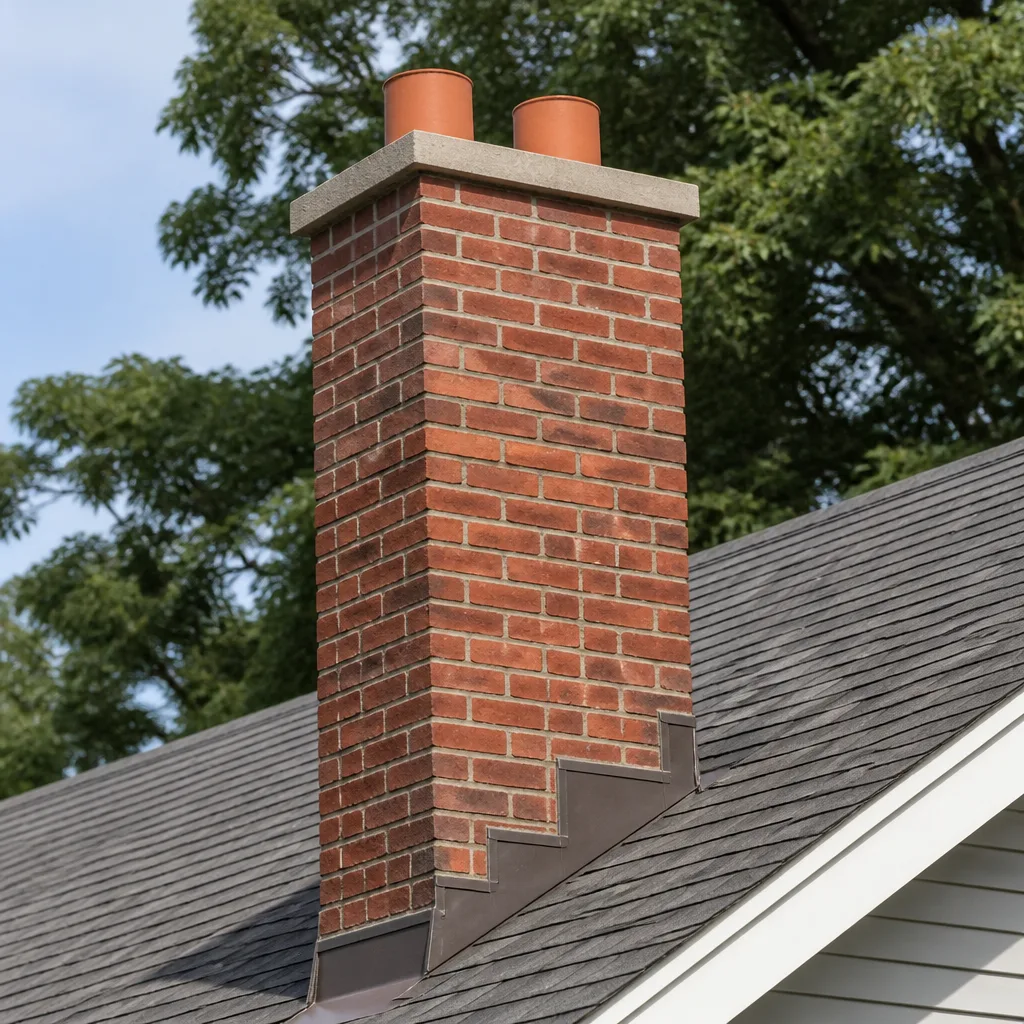 Masonry repair
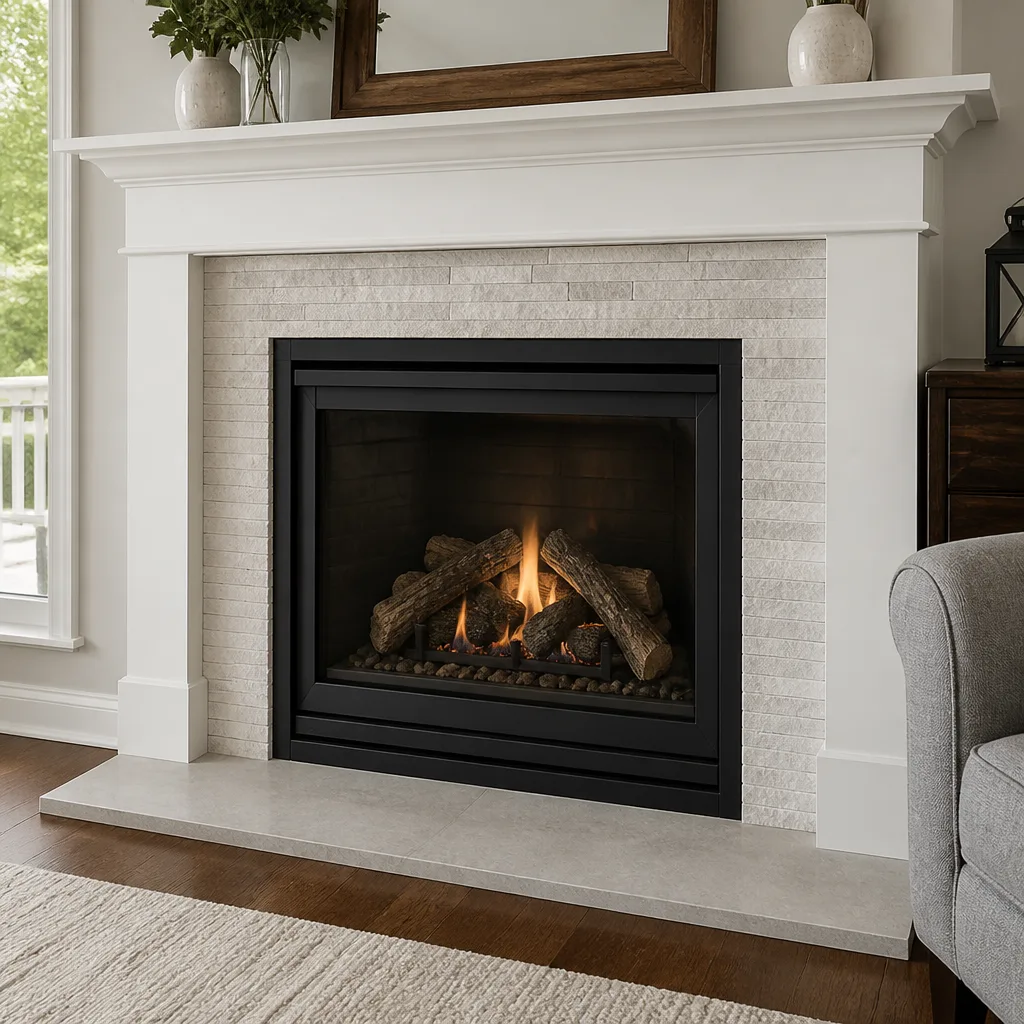 Gas fireplace service
Level 1 sweep and inspection to the NFPA 211 annual standard - flue, crown, cap, and flashing checked and photographed
Chimney sweep logs do not sweep chimneys. They loosen some creosote - which then falls where a brush and vacuum still have to collect it.
Chimney Cleaning Permits, Codes & Inspections in Minneapolis, MN: What You Need to Know
A chimney sweep is routine maintenance and, almost always, no permit is involved. Liner replacement, firebox rebuilds, and cap installations are a different category, and that’s where Minneapolis homeowners get caught off guard. Most assume chimney work is invisible to the city, tucked up on the roof where no inspector will look. Then the house sells, the buyer’s inspector finds a stainless liner installed with no paper trail, and what looked like a finished job becomes a title and insurance question. This guide walks through which services require a permit, how Minnesota State Fire Code and Minneapolis amendments fit together, what inspectors actually check, and what documentation to keep from the start. Our technicians have up to 12 years of experience, and we’ve watched enough transactions stall to know the paperwork matters as much as the masonry.
Quick Answer
Sweeping a chimney in Minneapolis does not require a permit – it’s routine maintenance. Liner replacement, firebox repair, cap installation on certain appliance types, and any work that alters the venting system generally do require a permit from the City of Minneapolis, and the work should be inspected before the flue is put back into service. Unpermitted chimney work stays unpermitted forever, follows the house at sale, and can complicate an insurance claim after a chimney fire. Keep every permit number and inspection record.
Styles & brands we work with
- Sweep & inspection
- Caps & crowns
- Flue relining
- Masonry repair
- Gas fireplace service
Table of Contents
- Which chimney services require a permit in Minneapolis?
- How Minnesota State Fire Code and Minneapolis amendments interact
- What a contractor submits when pulling a chimney permit
- When the city inspector gets involved and what they check
- How unpermitted chimney work affects insurance claims
- What documentation to request from any chimney contractor
- Why Minneapolis winters make venting compliance matter
- How to verify a contractor before work starts
Which chimney services require a permit in Minneapolis?
Permits are triggered by changes to the venting system, firebox structure, or appliance connection. Cleaning and inspection are not changes. If a chimney sweep only removes creosote and checks the flue, no permit is needed and no inspector visits. The moment a technician cuts, lines, rebuilds, or replaces a component that affects how combustion gases leave the house, the calculus changes.
Here’s how the split usually falls. Treat this as a general guide, not a legal opinion – permit scope is set by the City of Minneapolis and by the building official’s interpretation on a given job. When in doubt, the city’s building department is the authority, and a reputable contractor will confirm before quoting.
- No permit typically required: annual sweeping, Level 1 visual inspection, flue brushing, damper maintenance that doesn’t alter the firebox, routine cap inspection.
- Permit typically required: stainless or clay liner replacement, firebox rebuild, hearth extension changes, crown reconstruction that affects structural integrity of the chimney top, connecting a new solid-fuel appliance, converting a fireplace insert to a different venting class.
- Permit frequently required: vent cap or termination cap installation on gas appliances where the cap is part of the flue termination, and any work where the inspector will need to sign off before the flue is returned to service.
For homeowners in neighborhoods like Linden Hills, where a lot of the housing stock carries original masonry chimneys from the mid-twentieth century, liner work is common and permit paperwork should be standard. Same for homes in Northeast Minneapolis where older brick chimneys have been relined over the decades, sometimes without documentation. In our experience, the most common surprise isn’t that a permit was missed – it’s that nobody told the homeowner a permit existed for the work they were quoted.
How Minnesota State Fire Code and Minneapolis amendments interact
Two layers of rules govern chimney and venting work in Minneapolis. The first is the Minnesota State Fire Code, which adopts national standards for solid-fuel appliance venting and sets baseline requirements for clearances, flue sizing, and termination height. The second is the City of Minneapolis building code and its local amendments, which layer on additional requirements and – critically – determine who can inspect what, and when.
The fire code is the safety floor. It’s the reason a wood stove must vent through a listed chimney system, why clearances to combustibles must be maintained, and why the termination has to rise above the roofline in a prescribed way. Those are not negotiable, and no local amendment relaxes them. Minneapolis amendments sit on top and address local enforcement: who files the permit, what inspections are sequenced, and what constitutes a completed installation for the purpose of closing the permit.
Where this matters for homeowners is at the intersection of the two. A contractor who lines a flue with a durable stainless system but doesn’t square the installation with the fire code’s clearance and termination requirements leaves a problem that an inspector will flag later, even though the liner itself is fine. The best-laid systems – DuraFlex and Olympia Chimney among the professional-grade lines we work with – are designed around venting code, which is why material specification and code compliance aren’t separate conversations.
Practically: ask any contractor to confirm the work will meet both the Minnesota State Fire Code and City of Minneapolis requirements, and ask whether the inspector’s sign-off is part of the scope. If the answer is vague, slow down.
What a contractor submits when pulling a chimney permit
When a permit is pulled for liner replacement or firebox work in Hennepin County, the contractor submits a package to the city. What’s in that package determines how smoothly inspection goes. A complete submission is more than a form – it’s a construction record the city will keep on file against the property address.
A typical permit package for chimney liner or firebox work includes:
- Contractor licensing details, including the license class applicable to the work.
- Property address and scope of work written specifically enough that an inspector can compare it to what’s installed.
- Product specification sheets for the liner system or firebox materials – manufacturer listings, UL listings where applicable, and installation instructions.
- Dimensional and clearance details: flue size before and after, clearances to combustibles, termination height.
- Sequenced inspection points – for liner work, this usually means an inspection after the liner is installed but before the top plate and cap are permanently set.
- Final inspection sign-off once the appliance is connected and the flue is ready for service.
Homeowners should ask for the permit number once it’s issued. It takes a minute and it’s the difference between being able to prove permitted status at sale and hoping the next owner doesn’t ask. We’ve seen buyers request the permit history on newer Minneapolis builds and gut-renovations alike; a clean permit record makes that conversation short.
Where a professional-grade system is specified – HeatShield ceramic restoration for a liner that’s sound but pitted, or DuraFlex for a full reline – those product sheets are part of the submission. A contractor who’s used to working with these materials knows the paperwork because they do it routinely. A generalist who treats the chimney as an afterthought doesn’t.
When the city inspector gets involved and what they check
The city inspector gets involved when a permit is pulled. That’s the trigger – not a complaint, not a random sweep of the neighborhood. And once the permit is open, the inspector will show up at specific stages, not at the end. Knowing where those stages fall helps a homeowner understand why a contractor schedules work the way they do.
For liner work, the sequence usually looks like this:
- Permit issued and posted at the property.
- Pre-installation inspection in some cases, especially where existing clearances are in question.
- Installation occurs – flue is prepped, liner is run, appliance connection is made.
- Rough-in inspection before the termination is finalized, so the inspector can see the flue run and confirm clearances.
- Final inspection after the cap and termination are set, appliance is connected, and the flue is ready for use.
What the inspector is actually checking is not the aesthetic – they don’t care about the beauty of the crown. They’re checking clearances to combustibles, flue sizing relative to the appliance, termination height and location, and whether the installed product matches the submitted specification. Famco and Gelco components – caps, venting hardware, draft management fittings – come into play here because they’re part of the code-compliant termination, not aftermarket add-ons.
If something doesn’t pass, the contractor corrects it and the inspector returns. A clean final inspection report belongs in the homeowner’s file. You’ll want it at resale, and you may want it at an insurance claim.
How unpermitted chimney work affects insurance claims
This is the part most homeowners don’t hear until it’s a problem. Unpermitted chimney work affects insurance claims because insurance policies are written against permitted, code-compliant construction. When a claim happens – a chimney fire, a carbon monoxide event traced to a flue issue, water intrusion from a failed crown – the adjuster’s first move is to check whether the work that failed was permitted and inspected. If it wasn’t, the claim can be denied, or coverage can be reduced to what the policy would have allowed had the work been compliant.
The logic is straightforward: an insurer agrees to cover a house built to code. Work that skipped the permit process is, by definition, work nobody verified. The insurer’s exposure calculation changes, and often so does the outcome of the claim.
Chimney fires are the classic case. A properly lined, permitted, inspected flue burns hot and clean if it’s maintained. A flue that was relined without a permit – or worse, never relined and left with a compromised clay liner – can fail catastrophically. When the adjuster asks for the installation permit, and there isn’t one, the conversation becomes about whether the homeowner is covered for work they didn’t know was unpermitted. That’s a hard conversation to win.
A home sale can trigger the same problem years later. In Minneapolis, where a large portion of the housing stock turns over and buyers routinely order full inspections, an unpermitted liner gets flagged. The seller either pays to bring it into compliance or credits the buyer. Either way, the original contractor isn’t there to solve it. The documentation you keep today is the argument you make tomorrow.
What documentation to request from any chimney contractor
Ask for the documentation before the work starts, not after. A contractor who works routinely with permits will have the answers ready. One who doesn’t will get cagey, and that’s information too. The list below is what we’d want in our own homes, and it’s what we hand over on chimney repair projects that touch the venting system.
- Written scope of work. Specific enough to compare against what an inspector would see: liner type and material, flue size, cap specification, clearance details.
- Permit number. Once issued, this is the reference number you’ll use at sale and at any insurance conversation. No permit required? Get that in writing too, with the contractor’s explanation of why.
- Product specification sheets. For liner systems and caps, manufacturer specs and installation instructions. This is also where you confirm the material is professionally listed, not a hardware-store substitute.
- Final inspection sign-off. The city inspector’s report, once the work passes. This is the single most valuable document you’ll have.
- Photographic record. Before, during, and after. A camera inspection and photo report of the flue is standard on our work, and it’s the only way you’ll ever know what the flue looked like before the liner went in.
- Insurance and licensing confirmation. Ask for proof before the job starts. A contractor should be willing to send it without being asked twice.
These six items protect the homeowner at sale, at an insurance claim, and during the years in between. They also make future service simpler – the next technician knows exactly what’s in the flue.
Why Minneapolis winters make venting compliance matter
Minneapolis cold changes how a chimney behaves, and it changes how venting problems show up. A flue that drafts lazily in October can back-draft in January, when the outside air is far colder than the firebox and pressure differences inside the house push exhaust down instead of up. Tight modern construction, sealed windows, and winter-proofing all make the pressure problem more pronounced. This is where code compliance and material quality earn their keep.
Three things about the local climate matter for the permit conversation:
- Cold-air back-drafting. A flue sized or terminated incorrectly will back-draft more in a Minneapolis January than it ever would in a milder climate. The fire code’s termination requirements exist partly to prevent this.
- Freeze-thaw on the chimney crown. Water gets into hairline cracks, freezes, expands, and widens them. Crown repairs and rebuilds are more common here than in warmer parts of the country, and they’re permit-triggering work in many cases because they affect the structural integrity of the chimney top.
- Long heating seasons. More burn hours per year means more creosote accumulation per season, which means sweeping frequency matters more here than in places with shorter winters. Routine sweeping is the cheapest compliance there is – no permit, no inspection, just a cleaner flue.
None of this is a reason to worry unnecessarily. It’s a reason to treat the chimney as a system, not a decoration. Famco and Gelco draft management components, Olympia Chimney liner systems, and HeatShield restoration are the kinds of materials that handle a Minneapolis winter correctly – and the ones we’re set up to provide for Minneapolis homeowners who want a flue that performs, not just one that passes.
How to verify a contractor before work starts
Before any chimney work starts, verify the contractor. A quick check on three fronts saves weeks of frustration later.
- License and insurance. Ask for the state license number and a certificate of insurance. A legitimate contractor sends both without hesitation.
- Permit history. Ask whether they’ll pull the permit and whether they’ve pulled chimney permits in Minneapolis before. A contractor who works the city routinely will say yes without pause.
- Inspection equipment. A camera inspection before any recommendation is standard on quality work. If a contractor quotes a liner replacement without ever showing you what’s inside the flue, ask why.
One additional check: whether the contractor carries the professional-grade product lines the code-compliant installations call for. If the answer is “whatever the supply house has,” that’s a different kind of company. At Northwind Chimney Sweep we work with a curated roster – HeatShield, DuraFlex, Gelco, Olympia Chimney, Famco, and Copperfield – because the right liner for the flue type is a materials decision as much as a labor one.
Common Mistakes to Avoid
- Assuming cleaning requires a permit. It doesn’t. Sweeping and inspection are routine maintenance. Confusing the two leads homeowners to skip necessary permits on liner and firebox work – or to pay for permits they didn’t need.
- Letting a contractor skip the permit to “save time.” A missed permit doesn’t save time; it defers the problem to sale or claim. The Minneapolis building department will find it, and it will cost more later.
- Not asking for the permit number. If there’s no permit number on file, there’s no proof of permitted work. This comes up constantly on Minneapolis home sales, and buyers’ agents don’t overlook it.
- Accepting a liner replacement quote without a camera inspection. A quote for a $3,000 liner without photos of the flue interior is a guess. A camera inspection is the diagnostic foundation of any honest recommendation.
- Working with a generalist handyman on venting work. Chimney systems require specialty materials and code familiarity. A roofer or general contractor may install a cap, but they may not know what the city inspector needs to see.
- Skipping the final inspection documentation. The permit sign-off belongs in your home records. It’s the document that answers the questions years from now.
- Assuming a home sale inspection won’t look at the chimney. In Minneapolis, it will. A thorough buyer’s inspector walks the roof line, checks the firebox, and pulls permit history for anything that looks new.
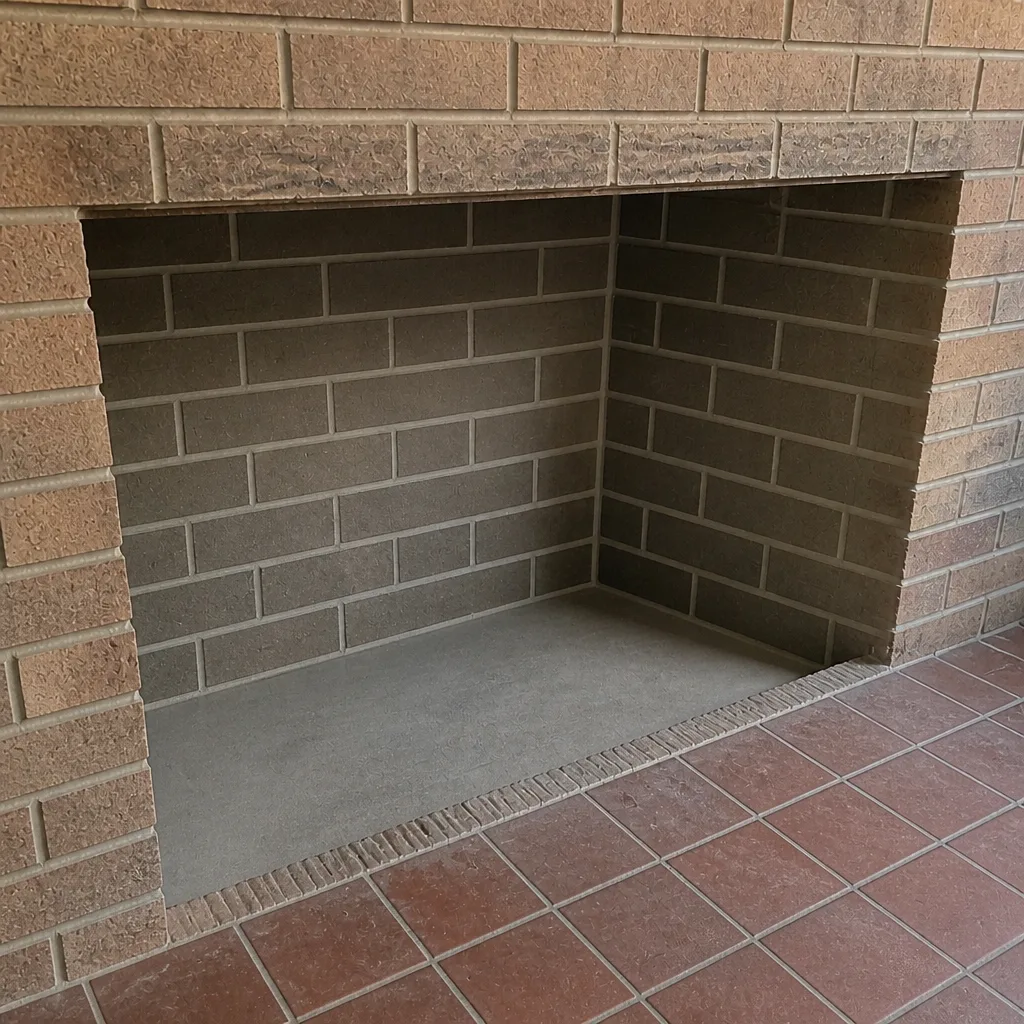
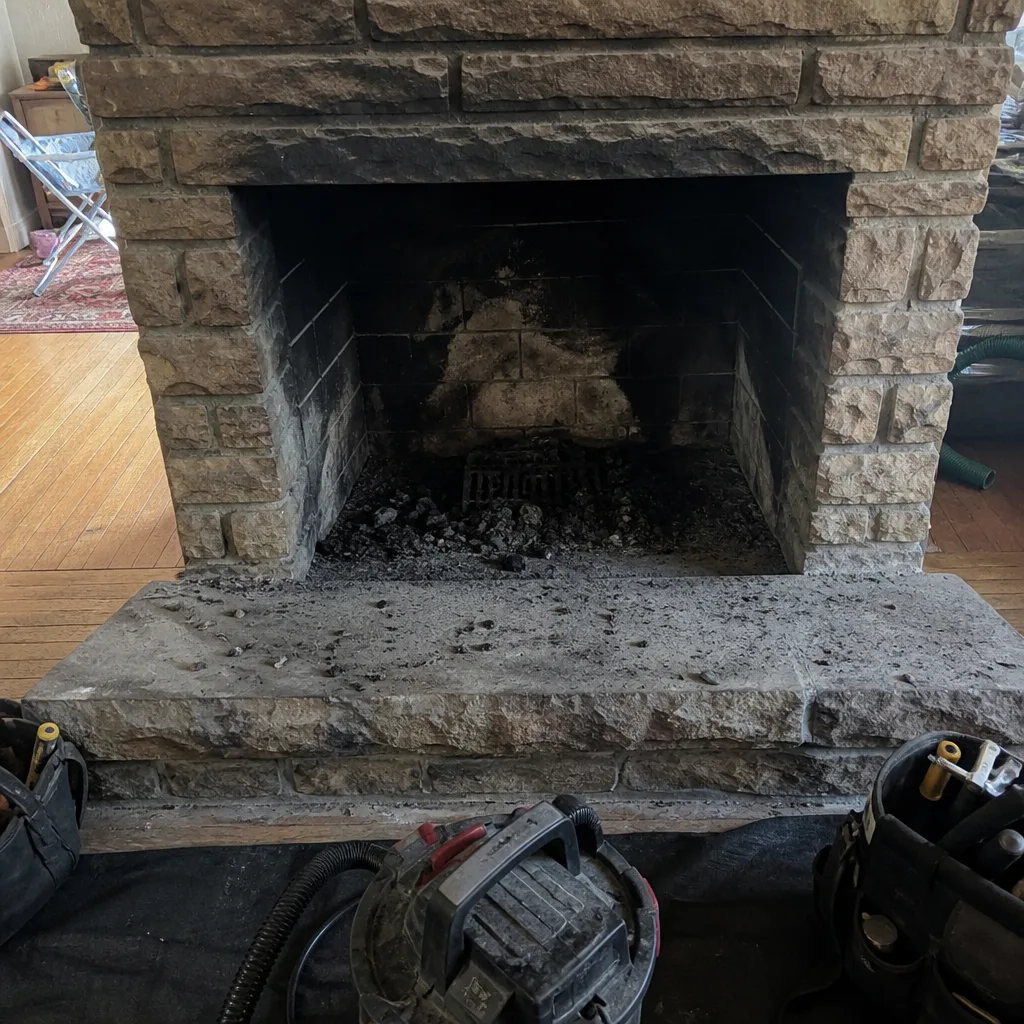
See the difference
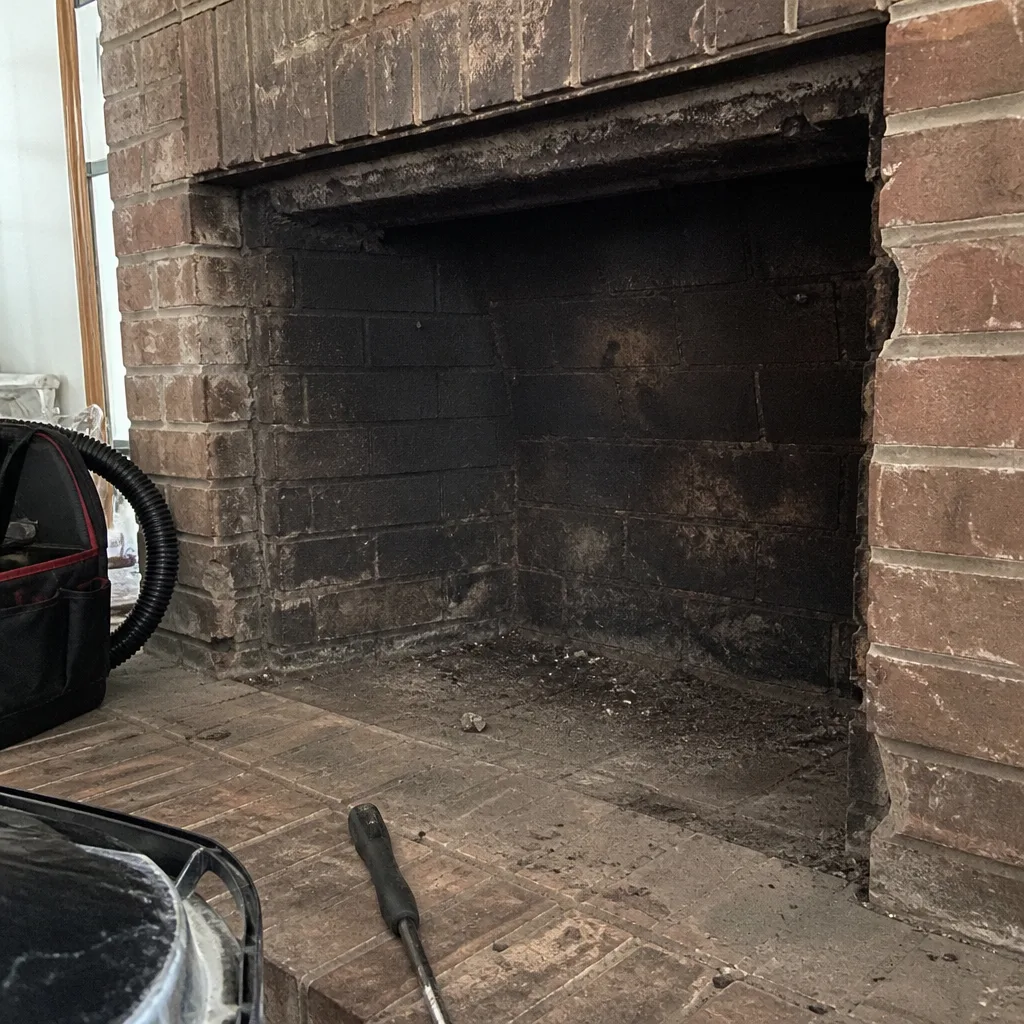 Before
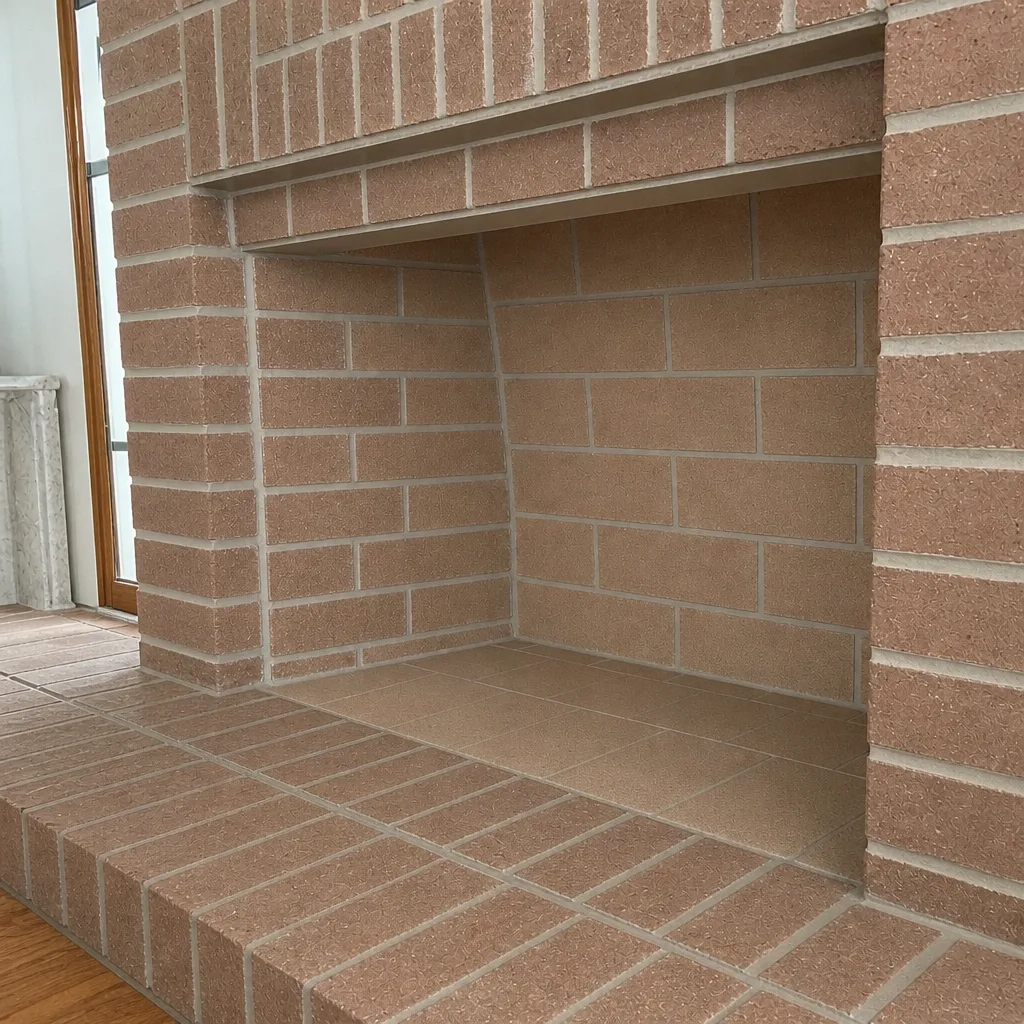 After
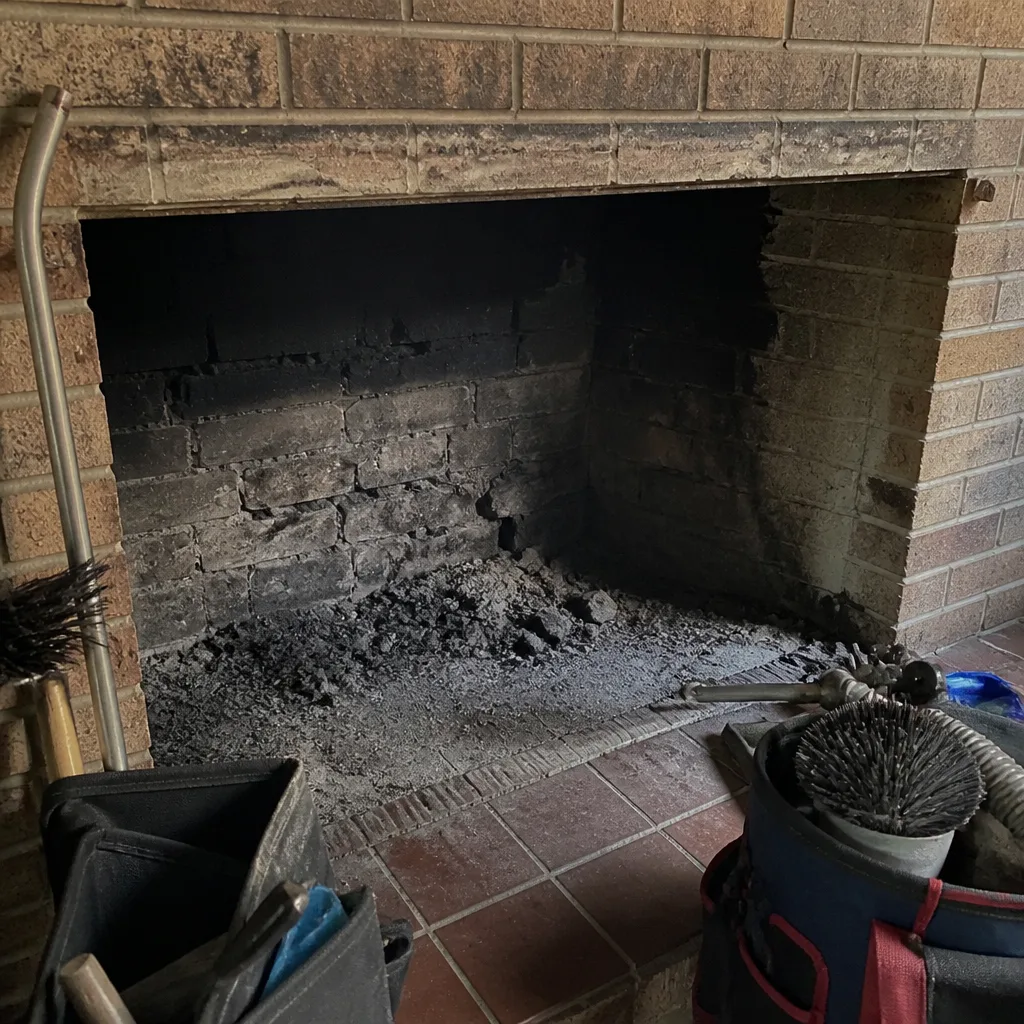 Before
 After
 Before
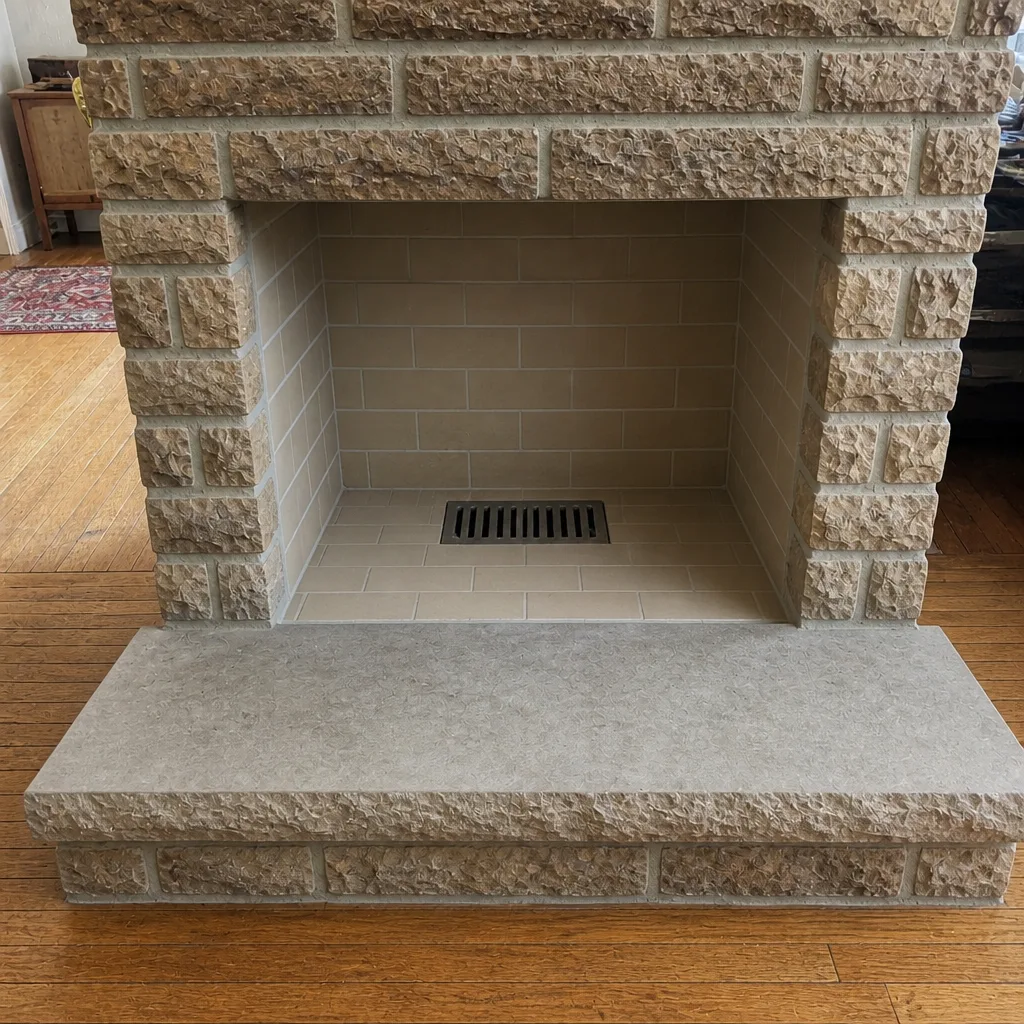 After
When to Call a Professional
Call a professional when a liner or firebox quote arrives without a camera inspection behind it, when a contractor can’t explain whether the work requires a permit, when a chimney fire has happened and the flue needs assessment before it’s used again, or when a home sale inspection flags an unpermitted installation. Also call if you’ve just moved into a house with a wood-burning fireplace and don’t know the condition of the flue – a first-year sweep and inspection sets a baseline you can actually build on. Northwind Chimney Sweep offers free estimates in Minneapolis – call (844) 834-2087. The phones are answered 24/7, and dispatch from 7am to 7pm, Sunday through Friday.
Frequently Asked Questions
No. Routine chimney sweeping and Level 1 inspection are maintenance and do not require a permit from the City of Minneapolis. Permits come into play for liner replacement, firebox work, and other changes to the venting system. If a contractor tells you cleaning needs a permit, ask them to explain – that’s not how it works. For a straightforward sweep on a code-compliant flue, call (844) 834-2087 for a free estimate.
Yes, in most cases. A liner replacement alters the venting system and typically requires a permit from the City of Minneapolis, plus inspection before the flue is returned to service. The permit package includes product specifications for the liner system, clearance details, and sequenced inspections. Confirm with your contractor before work is quoted, and ask for the permit number once it’s issued. Estimates are free – call (844) 834-2087.
The work stays unpermitted, and that follows the house. It can surface during a home sale inspection, complicate an insurance claim after a chimney fire, or require retroactive permitting and inspection – potentially with opening up finished surfaces to verify what was installed. The original contractor is often unavailable to resolve it. If you’re looking at a house with suspicious new chimney work, request the permit history from the city before closing. Call (844) 834-2087 to have a professional assess the installation.
Once a year for wood-burning appliances is the standard, and more often if you burn heavily through the long heating season. Minneapolis winters mean more burn hours, and creosote accumulates faster in heavy-use households. Gas appliances still need inspection, though the sweeping interval is different. A camera inspection determines the actual condition rather than guessing from the calendar. Call (844) 834-2087 to book a sweep and inspection.
Clearances to combustibles, flue sizing relative to the appliance, termination height and location, and whether the installed product matches the submitted permit specification. The inspector doesn’t score the aesthetics of the crown – they confirm the venting system is code-compliant. Inspections happen at set stages: typically a rough-in check before the termination is finalized, and a final check before the flue is returned to service. Permit sign-off is the document to keep.
Sometimes, depending on the appliance type and whether the cap is part of the vent termination. A cap on a gas appliance flue is usually part of the listed venting system and may require a permit; a cap on a wood-burning flue can be maintenance if it’s a like-for-like replacement. Ask your contractor to confirm the specific case for your appliance. The City of Minneapolis building department is the final authority. Call (844) 834-2087 with your cap model and we’ll walk through the requirement – estimates are free.
The Bottom Line
Cleaning is maintenance and needs no permit. Liner replacement, firebox work, and any change to the venting system in Minneapolis generally do. The paperwork is not bureaucracy – it’s the record that protects you at sale and at an insurance claim. Ask for the permit number, keep the final inspection report, and refuse any quote that arrives without a camera inspection behind it. Our technicians have up to 12 years of experience, and every job we take on starts with the same principle: inspect before we recommend. If you’re not sure whether your chimney work needs a permit, or whether existing work was permitted, call (844) 834-2087. We answer 24/7, with fast dispatch from 7am to 7pm, Sunday through Friday.
Written by the team at Northwind Chimney Sweep.