
Last updated November 15, 2026
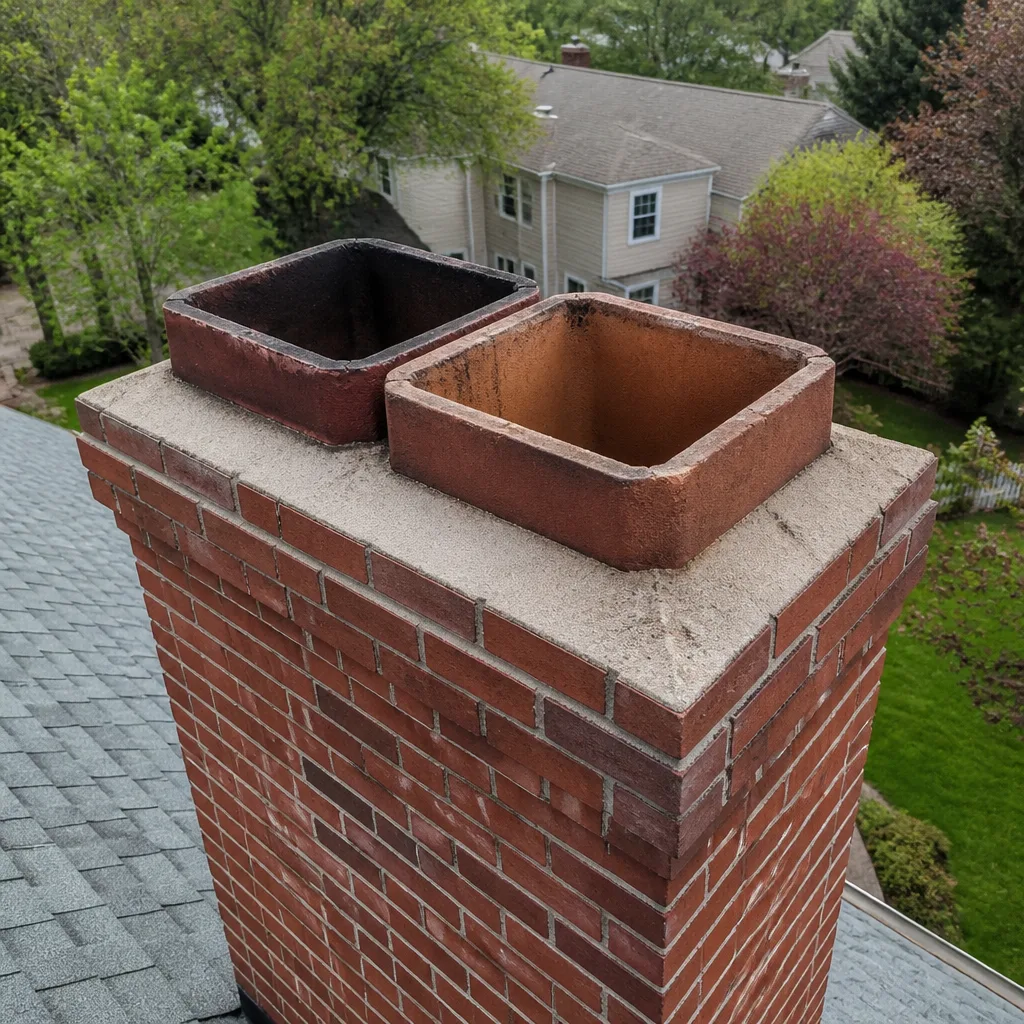 Sweep & inspection
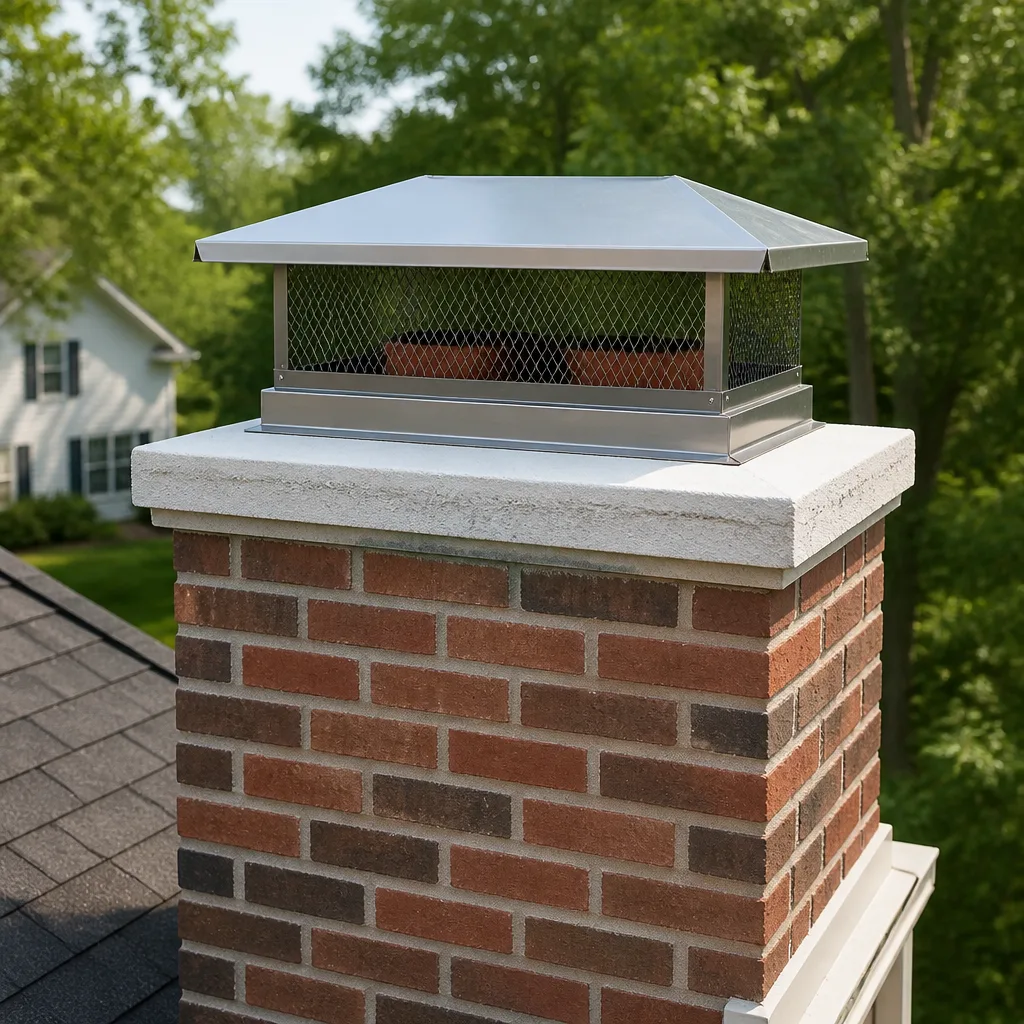 Caps & crowns
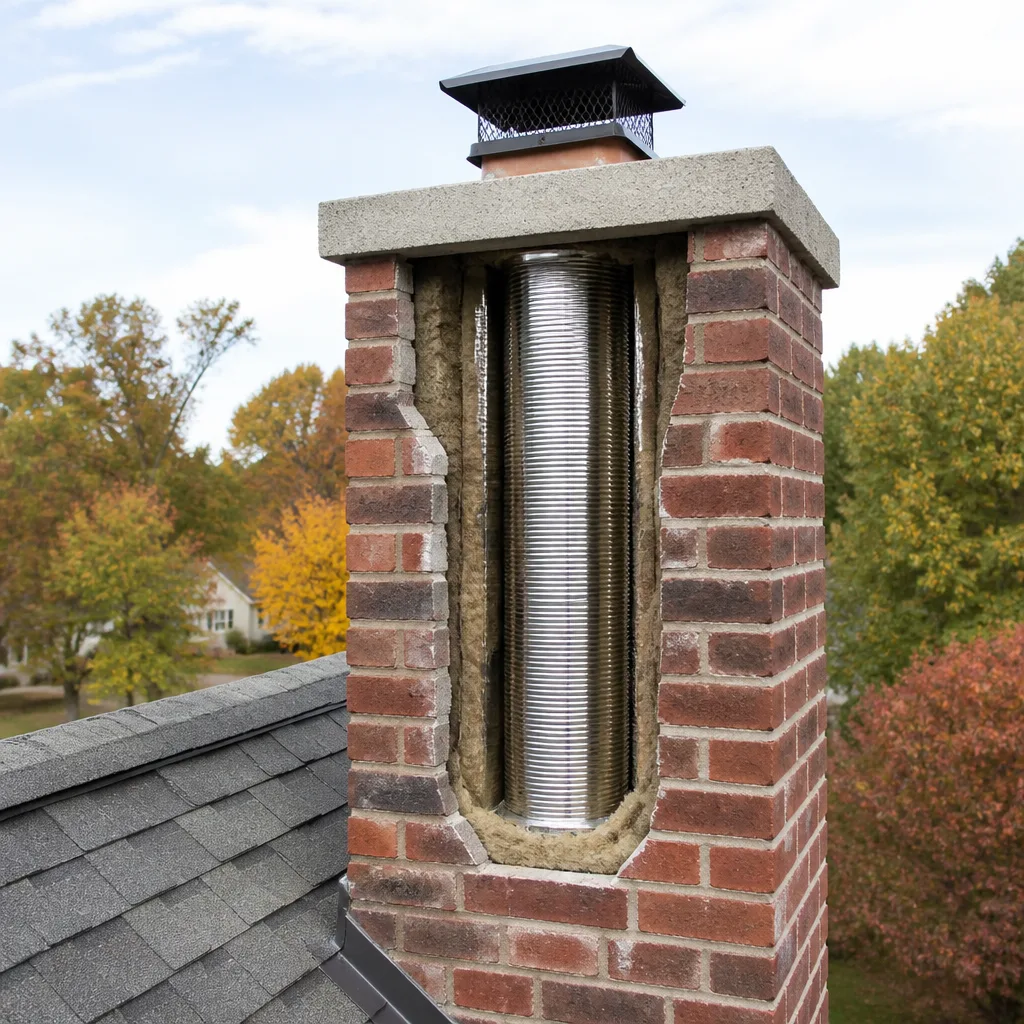 Flue relining
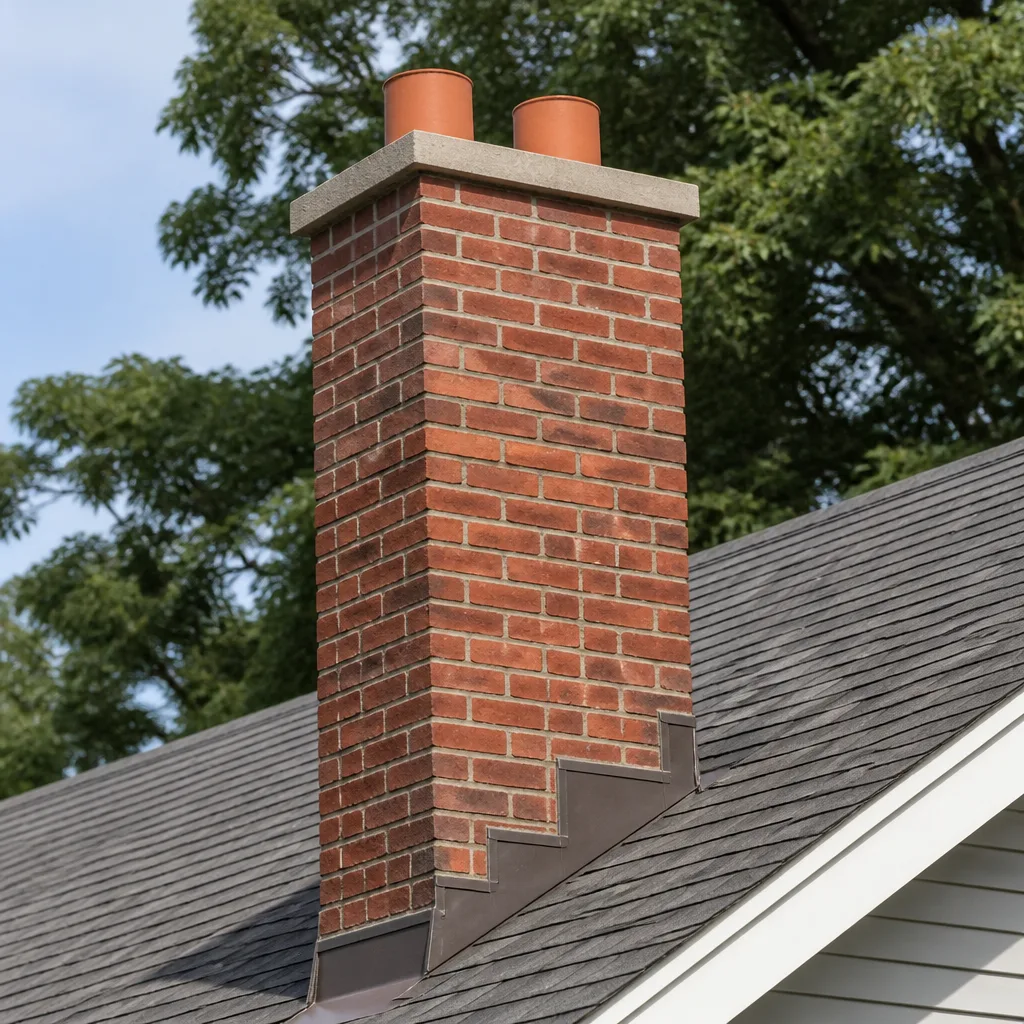 Masonry repair
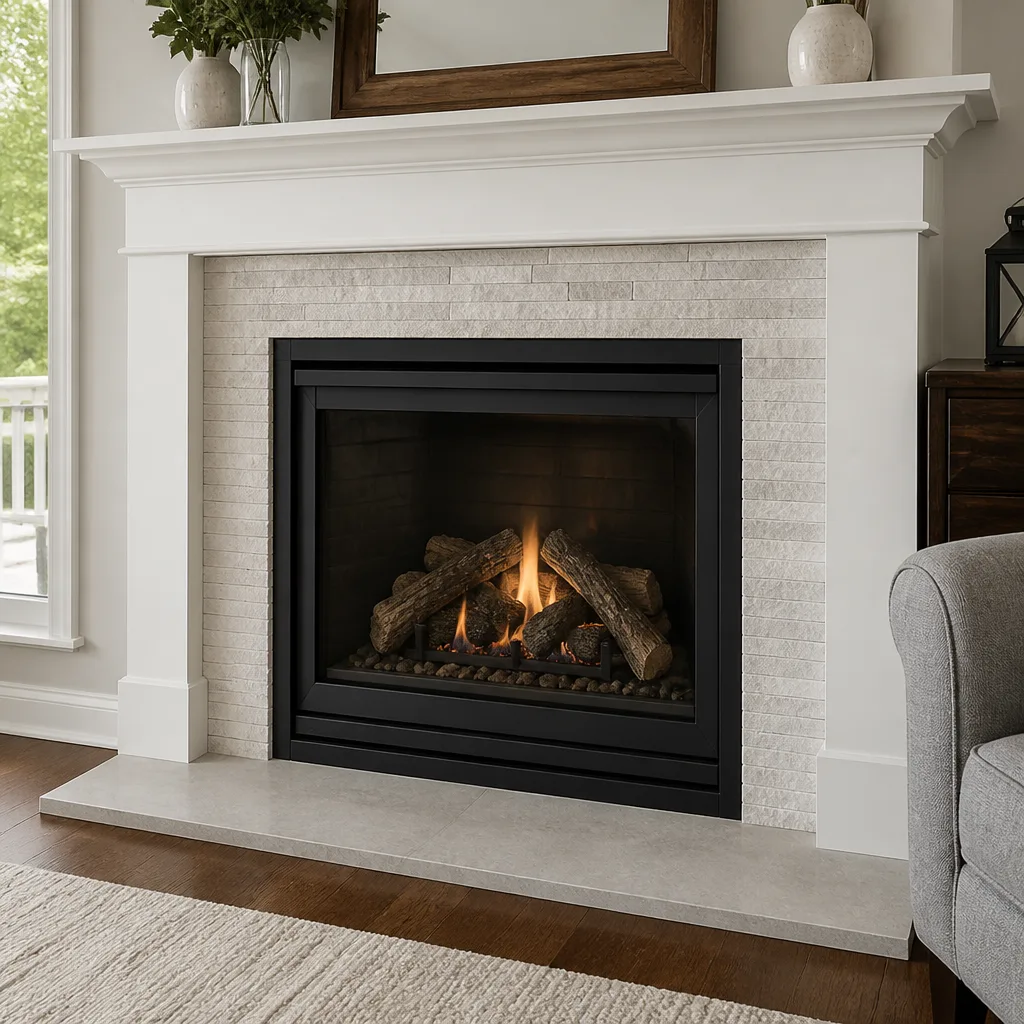 Gas fireplace service
Level 1 sweep and inspection to the NFPA 211 annual standard - flue, crown, cap, and flashing checked and photographed
Chimney sweep logs do not sweep chimneys. They loosen some creosote - which then falls where a brush and vacuum still have to collect it.
Chimney Sweep Maintenance Schedule: What to Do and When
Most homeowners treat a chimney sweep like a smoke alarm battery: do it once a year and forget it. That advice is the floor, not the ceiling. A single annual visit doesn’t tell you whether your cap survived last winter, whether your crown is spalling, or whether a house burning three cords a season is already overdue by February. The right calendar depends on what you burn, how often, and how a Minneapolis chimney weathers freeze-thaw, ice, and a long heating season. What follows is a month-by-month schedule built around those realities, covering masonry, factory-built, and gas units separately, so you know what to check yourself and what should wait for a trained sweep with a camera.
Quick Answer
Chimney maintenance in Minneapolis should be a year-round cycle, not one fall appointment: a spring inspection after the last fire, cap and crown checks before summer storms, a pre-season sweep in late summer or early fall before the first burn, and a mid-winter look for households burning heavily. Sweep intervals depend on burn volume, with one cord a year roughly matching one annual cleaning and two to three cords requiring two or more visits. Gas inserts and factory-built fireplaces follow different rules than masonry fireplaces.
Styles & brands we work with
- Sweep & inspection
- Caps & crowns
- Flue relining
- Masonry repair
- Gas fireplace service
Table of Contents
- The Four-Season Chimney Calendar for Minneapolis
- How Burn Frequency Sets Your Sweep Interval
- Masonry, Factory-Built, and Gas: Three Different Maintenance Schedules
- What You Can Check Yourself vs. What Needs a Camera and a Sweep
- Documenting Condition Year Over Year
- Your Pre-Season Checklist Before the First Fire
- Signs Your Chimney Needs Attention Before the Next Scheduled Visit
- Common Mistakes to Avoid
- When to Call a Professional
The Four-Season Chimney Calendar for Minneapolis
A schedule built for a mild climate fails in Minneapolis. The city’s long heating season means the chimney works harder, and the hard freeze-thaw cycle in late fall and early spring puts stress on masonry and caps that warmer regions never see. Ice forming at the crown can work its way into hairline cracks; freeze-thaw cycles widen them. That’s why the local schedule starts in spring, not fall.
Here’s how the year breaks down in practical terms:
- March through April, after the last burn: Get the flue swept once the heating season winds down so soot and creosote don’t sit in the flue all summer. Soot absorbs moisture; moisture drives corrosion in metal liners and deterioration in masonry. This is also when we see the freeze-thaw damage of the past winter most clearly, both at the crown and at the mortar joints where the chimney meets the roofline.
- May through August, the exterior season: Cap checks, crown inspection, flashing, and masonry repairs are all easier and safer in warm, dry weather. If your chimney cap is loose or the screen is torn, fix it before birds and squirrels nest in the flue or a summer storm drives water inside. This is the window when we typically install and repair caps using Famco and Gelco components, since both are designed as part of the chimney system, not aftermarket add-ons.
- September through October, before the first fire: This is the pre-season inspection and sweep. It’s the most important appointment on the calendar, and the one homeowners most often skip when the weather is still warm. A full inspection with a camera catches a failed cap, cracked flue tile, or degraded liner gasket with weeks to spare before you’re relying on the chimney every evening.
- November through February, mid-season checks: For normal-use households, nothing is strictly required mid-winter. For heavy burners, a mid-season inspection after the holidays is worth scheduling, because creosote buildup accelerates and a partially blocked flue is a draft problem you’ll notice long before you’d notice it on the calendar.
Homeowners across Minneapolis can sequence their year around these four windows and avoid the cost and stress of discovering a problem mid-season, when the only option is a rushed repair.
How Burn Frequency Sets Your Sweep Interval
The standard rule of thumb is a sweep once a year. But that’s a baseline for a household that burns a cord or less and uses the fireplace for atmosphere. In our experience, the number that actually changes the calendar is how much wood goes through the firebox in a season. You can’t inspect creosote buildup from the outside, so the sweep interval should be set conservatively until a professional has looked inside the flue.
Here’s roughly how the calendar shifts:
- One cord or less, occasional use: One annual sweep paired with one inspection. The typical household that lights the fireplace a few dozen times a season fits here. The pre-season sweep in September or October handles it.
- Two cords, regular evening burning: Two sweeps per year. One before the first fire and one mid-winter. The mid-season sweep catches the creosote layer that builds during the coldest stretch, when a chimney is working hardest and draft is poorest.
- Three or more cords, primary heat source: Two to three sweeps per year, plus a mid-winter inspection if draft noticeably weakens. Households using wood as their main heat in Minneapolis often burn through more than three cords in a hard winter, and the sweep interval needs to match that burn volume, not the calendar.
- Gas appliances: No creosote, so the annual schedule is inspection-focused rather than sweep-focused. The gas appliance itself is not a hazard of the same kind, but the vent and termination can still be blocked by debris or animal nesting, and the appliance should be checked before each heating season.
The specific creosote deposits that build inside a flue range from fine soot to hard, glazed deposits that no brush will remove. That’s why we inspect before we recommend. A camera through the flue tells us what we’re dealing with, and a quote based on visible evidence is the only honest way to set the interval.
Masonry, Factory-Built, and Gas: Three Different Maintenance Schedules
Most maintenance advice lumps every chimney together. That’s a mistake. A masonry fireplace, a factory-built insert, and a gas appliance each have a different damage profile and a different calendar.
Masonry fireplaces and chimneys shed mortar, absorb moisture, and suffer freeze-thaw damage at the crown and the brick face. The spring inspection after the last burn is where masonry gets checked. That’s when we look at the crown, the flashing at the roofline, and any spalling on the brick. A worn liner can sometimes be restored with HeatShield ceramic resurfacing rather than replaced, which extends the life of the liner without a full relining project. That option exists mainly for masonry flues with the right internal condition. A factory-built chimney has a different liner profile, and resurfacing may not apply.
Factory-built fireplaces and inserts have a manufactured liner, typically insulated stainless steel or a listed product. The maintenance schedule is driven by the manufacturer’s specification and by the condition of the liner joints, the cap, and the firebox refractory. DuraFlex flexible liner systems, like Olympia Chimney components, are the class of material used when a factory-built liner needs replacement. Factory-built units do not benefit from masonry resurfacing; the correct answer is replacement when the liner fails. That difference matters because a homeowner with a factory-built unit can be talked into work that doesn’t apply.
Gas fireplaces and inserts don’t have creosote. The maintenance focus is the vent termination, the cap and screen, and the appliance’s own combustion health. Gas units still need an annual inspection, but the inspection is different from a wood unit’s. It’s about clear venting, not about soot. A gas insert with a blocked vent can spill exhaust indoors, which is not a small thing. A gas unit should never be inspected as if it were a wood-burning fireplace.
The right maintenance schedule follows the appliance type first, then the burn volume. A Minneapolis home with a masonry fireplace, a gas insert, and a wood-burning stove in the basement has three separate calendars under one roof.
What You Can Check Yourself vs. What Needs a Camera and a Sweep
Homeowners can safely handle a set of basic visual checks between professional visits. They cannot safely see or reach inside the flue. Knowing which is which saves money and prevents injury. Chimney flues are a confined space with hidden hazards; the inside work is not a DIY job, and we’d never pretend otherwise.
What you can do:
- Remove ashes once the unit is completely cold. Ash absorbs moisture and accelerates corrosion, especially at the firebox floor.
- Look at the chimney cap and crown from the ground with binoculars. Note any visible cracks, missing screen, or a cap that’s shifted.
- Operate the damper. Check that it opens and closes smoothly and sits correctly when closed. In a gas unit, that’s usually a vent control, not a wood-burning damper.
- Look inside the firebox with a flashlight for loose mortar, cracked refractory brick, or obvious gaps at the flue collar.
- Check that the cap screen is intact. A torn screen lets animals in.
- Keep the area around the hearth clear of combustibles.
What needs a trained sweep:
- Cleaning the flue with proper brushes and rods. A homeowner using a rental brush can damage a liner, especially a flexible one.
- Camera inspection of the flue interior. This is how liner cracks, offset tile joints, and gaps at the flue collar are found. A camera through the flue is the only reliable view.
- Checking the liner joints, the thimble, and the smoke chamber. The smoke chamber is dangerous to access and needs a professional sweep’s equipment and experience.
- Assessing creosote type. Creosote can be soot-stage, brushable, or glazed and hard. A homeowner can’t reliably diagnose the difference.
- Evaluating the crown, flashing, and masonry for structural concerns. Roof work carries fall risk and needs a trained eye.
Our inspection service aligns with NFPA 211 standards, which is the benchmark buyers and insurance companies reference at closings. That means the report is written to a recognized standard, not just an opinion. If a home inspection flags your chimney, a report from a sweep working to that standard is what your insurer and buyer will look for.
Documenting Condition Year Over Year
A yearly photo of your chimney is worth more than a yearly cleaning reminder on your phone. Here’s why: most chimney problems fail slowly. A crown cracks a little more each winter, a liner wears at the flue collar, a flashing joint loosens a fraction every freeze-thaw cycle. If you have last year’s camera report and photo set, the sweep or inspector can compare and catch a trend. Without it, a slow deterioration looks the same as a sudden failure because there’s no baseline.
How to document in a way that actually helps:
- Keep every inspection report. A report from a sweep following NFPA 211 protocol will have notes on each component. File them together. Most homeowners don’t, and it’s the single most useful document you can hand the next inspector.
- Ask for camera photos with the report. A photo of the flue interior at the same point in the flue each year tells you whether the liner is stable or changing. Ask for a photo at the top, mid-flue, and at the flue collar.
- Take exterior photos yourself. One from the ground on each side of the chimney at the same angle every spring catches cap and crown changes early.
- Note repairs and materials. If a liner repair involved HeatShield resurfacing, note the date and location. When the next inspection happens, knowing that section was resurfaced tells the inspector where to look, and it tells you whether the restoration is holding.
- Keep a simple log. Burn volume, sweep dates, cap replacement, and any other work. A single spreadsheet is enough.
This is the part of the schedule most homeowners skip, and it’s the one that most often prevents a five-figure surprise. A trend is visible in the documentation before it’s visible in the wallet.
Your Pre-Season Checklist Before the First Fire
The best time to schedule a chimney sweep in Minneapolis is late summer or early fall, before the first fire. The worst time is the first week of November, when a failed cap or an unnoticed liner crack becomes an emergency because the heat’s already on. Here’s the pre-season checklist. Run it in September or early October, and leave the inside-the-flue checks to a trained sweep.
- Schedule the sweep and inspection. Book before the fall rush, ideally in August or September, to give yourself time to address anything the inspection turns up.
- Walk the exterior. Cap on and screen intact. Crown without new cracks. Flashing tight against the roof. Masonry face clean, no spalling.
- Check the damper. Fully open, fully close, no resistance that wasn’t there last year.
- Inspect the firebox. Refractory brick intact, no loose mortar. The firebox is where an interior crack shows up first.
- Clear the hearth area. Nothing combustible within the clearance the manufacturer or the code requires.
- Confirm your carbon monoxide detector is in place and working. CO is a genuine byproduct of combustion, and a properly vented chimney is what keeps it out of the house. If you don’t have one, install one before the first fire.
- Confirm your smoke detector is working. It’s not chimney-specific, but the pre-season checklist is the right moment to check both.
- Have a professional inspect before the first burn. A full inspection in September gives you time to fix what’s wrong while the fix doesn’t have to wait.
If you’re scheduling a chimney repair alongside the inspection, plan for it in the same window. A cap replacement, flashing repair, or liner work done in September is straightforward. The same work discovered in December is not.
Signs Your Chimney Needs Attention Before the Next Scheduled Visit
Most chimney problems give you a signal before they become an emergency, but only if you know what to look for. Here are the ones worth acting on.
- Draft that’s noticeably weaker than last season. A partial flue blockage, a creosote buildup, or a failed cap screen. Stop burning and book an inspection.
- Smoke rolling back into the room on startup. A cold flue can do this briefly, but persistent back-draft suggests a pressure problem or a blockage. Get it checked.
- Odor in the house in warm months. A fireplace that smells like soot in July usually means a downdraft or a moisture problem in the flue. It’s often a sign the flue wasn’t swept at the end of the season.
- Water stains on the ceiling or the chimney breast. Flashing failure or crown cracks. These are freeze-thaw problems that get worse each winter.
- Visible spalling or a crumbly crown. A cap that’s cracked or shifted. A screen torn away. These are exterior, visible from the ground on a dry day.
- Creosote visible above the damper. Dark, tar-like deposits are not normal soot. They’re a sign of poor draft or wet wood and should be assessed professionally.
- Any indication of a chimney fire. A loud roaring, a sudden “whoosh,” or pinging sounds from the flue during a fire are the signal to stop using the chimney and call a professional. A chimney fire can leave structural damage that’s invisible to the eye.
Gas inserts have their own signals: a yellow rather than blue flame, soot on the logs, or the smell of exhaust in the room. Any of those mean the vent needs checking before the unit runs again. We answer 24/7. Fast dispatch, 7am-7pm, if you need to talk through something now.
Common Mistakes to Avoid
- Sweeping only in fall and never in spring. In Minneapolis, the biggest damage happens over the freeze-thaw months, and a fall-only schedule means that damage sits unseen until it’s discovered the next heating season. Sweep once the burn season ends.
- Skipping the inspection because the sweep was done. A sweep cleans the flue. An inspection looks at the liner, crown, cap, and flashing. They’re different jobs and both belong on the calendar.
- Burning unseasoned or wet wood. Wet wood creates more creosote. If you’re burning heavily in Minneapolis, dry storage matters as much as the sweep interval.
- Treating a gas insert like a wood fireplace. Gas inserts don’t need flue sweeping the way a wood fireplace does, but they do need vent inspection. Skipping it because “it’s just gas” is a common mistake, and a blocked vent can spill exhaust into the room.
- Letting the cap get loose. A shifted cap lets in water and animals. Check it before summer storm season, not after.
- Assuming a chimney liner is a lifetime part. Stone, tile, and metal liners all wear. A liner that’s fine this year can fail in three. That’s why the yearly report with photos matters.
- Calling the cheapest sweep. An inspection done without a camera doesn’t catch liner cracks. The cost difference at callout is small compared to the cost difference when a problem is missed.
- Setting the interval by the calendar instead of the burn volume. A household burning three cords needs a different cadence than one burning once a month.
When to Call a Professional
Call for a sweep or inspection any time you notice a draft change, smoke in the room, odor in summer, or visible exterior damage. Call before the heating season if you haven’t had an inspection in the past 12 months, and call immediately if you suspect a chimney fire. If you’re buying or selling a home and the chimney isn’t documented, call for an inspection. If you’re noticing signs from last season you put off, call now, before the next burn cycle.
Northwind Chimney Sweep offers free estimates in Minneapolis. Our technicians have up to 12 years of experience, and we work with a curated roster of professional-grade materials, including HeatShield, Gelco, Famco, and Olympia Chimney, so the right part is available when the diagnosis points to it. One trained crew handles inspection, sweep, and repair, so you’re not handed off between companies. Call (844) 834-2087. We answer 24/7. Fast dispatch from 7am to 7pm, Sunday through Friday. A call outside dispatch hours is booked into the next opening, Sunday through Friday, 7am to 7pm.
Frequently Asked Questions
A chimney should be swept at least once a year, and more often if you burn heavily. In our experience, a Minneapolis household burning two cords or more per season should plan for two sweeps: one before the heating season and one mid-winter. Households using wood as their primary heat in Minneapolis often need two to three. The burn volume, not the calendar, sets the interval. Call (844) 834-2087 for a free estimate on sweeping before the season starts.
Late summer or early fall is the best time for the pre-season inspection, and spring is the best time to catch freeze-thaw damage from the past winter. Doing both means the exterior condition is documented after the worst of the cold and the flue is checked before it gets used daily. Many homeowners only book in the fall; that’s exactly when a spring problem discovered in October is expensive to fix. Call (844) 834-2087 to schedule an inspection.
You need both, and they’re not the same service. A sweep cleans the flue. An inspection examines the liner, crown, cap, flashing, and smoke chamber, with a camera in the flue. Since we handle all three phases, sweep, repair, and inspection, one visit can cover both. A camera inspection before we recommend any repair is the standard we hold ourselves to. Call (844) 834-2087 for a free estimate.
You can safely remove ashes, check the cap from the ground with binoculars, and operate the damper. Cleaning the flue itself is a different matter. The flue is a confined space with real hazards, and a homeowner operating a brush inside a flexible liner can damage it. A trained sweep uses the right tools and knows what’s normal inside a flue and what isn’t. We recommend you leave the flue cleaning to a professional. Call (844) 834-2087 for a free estimate.
Factory-built units need a listed replacement liner, not masonry resurfacing. HeatShield resurfacing is a ceramic restoration for suitable masonry flues; it isn’t the right answer for a factory-built liner. DuraFlex and Olympia Chimney liners are the product class used in full relining projects, which is why we keep them as part of the standard material roster. The liner decision comes out of the inspection, not off a price sheet. Call (844) 834-2087 for a free estimate.
Some repairs can wait until the weather allows; others can’t. A loose cap, a flashing leak, or a failing crown should be addressed before the next freeze cycle because water damage accelerates each winter. A worn liner section may be monitorable with an inspection report on file. We start with a camera inspection and a report you can see for yourself, and we say plainly what can wait and what shouldn’t. Nothing gets recommended without that evidence. Call (844) 834-2087 for a free estimate.
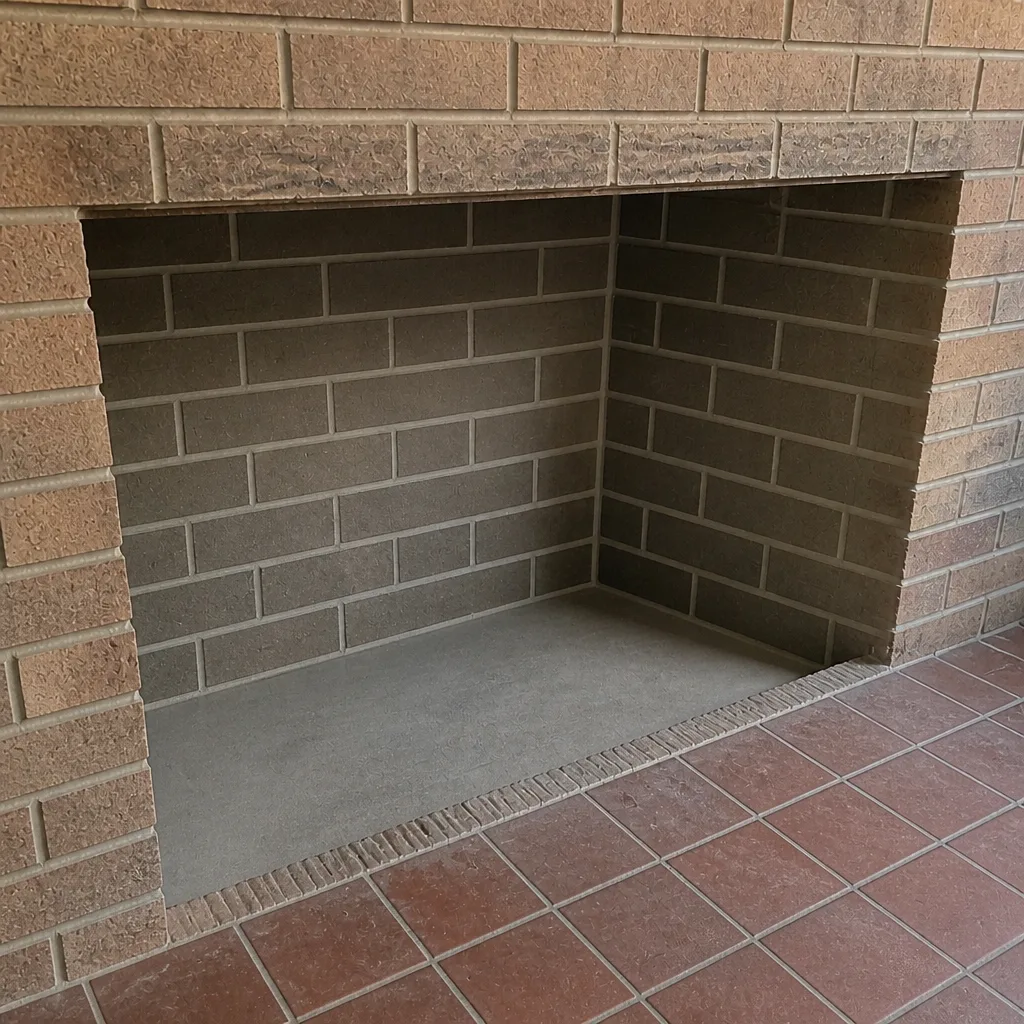
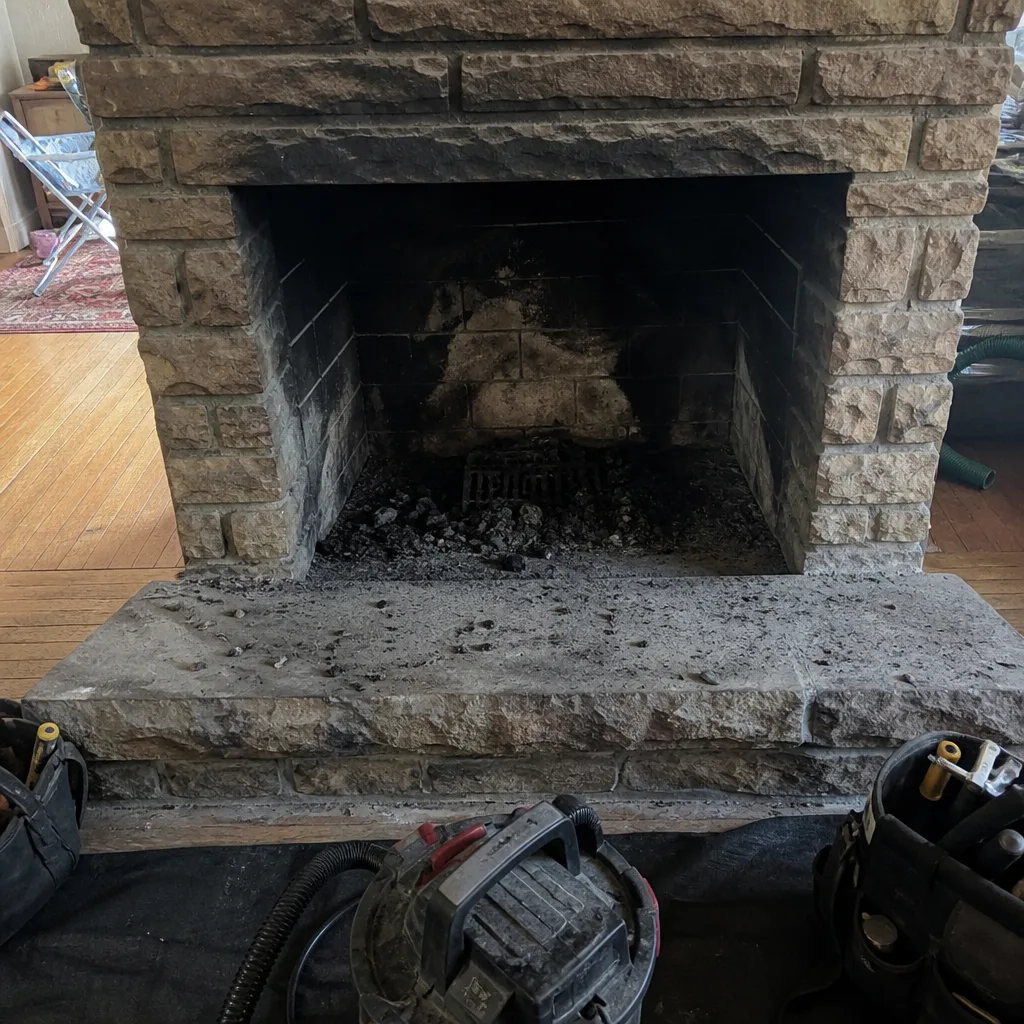
See the difference
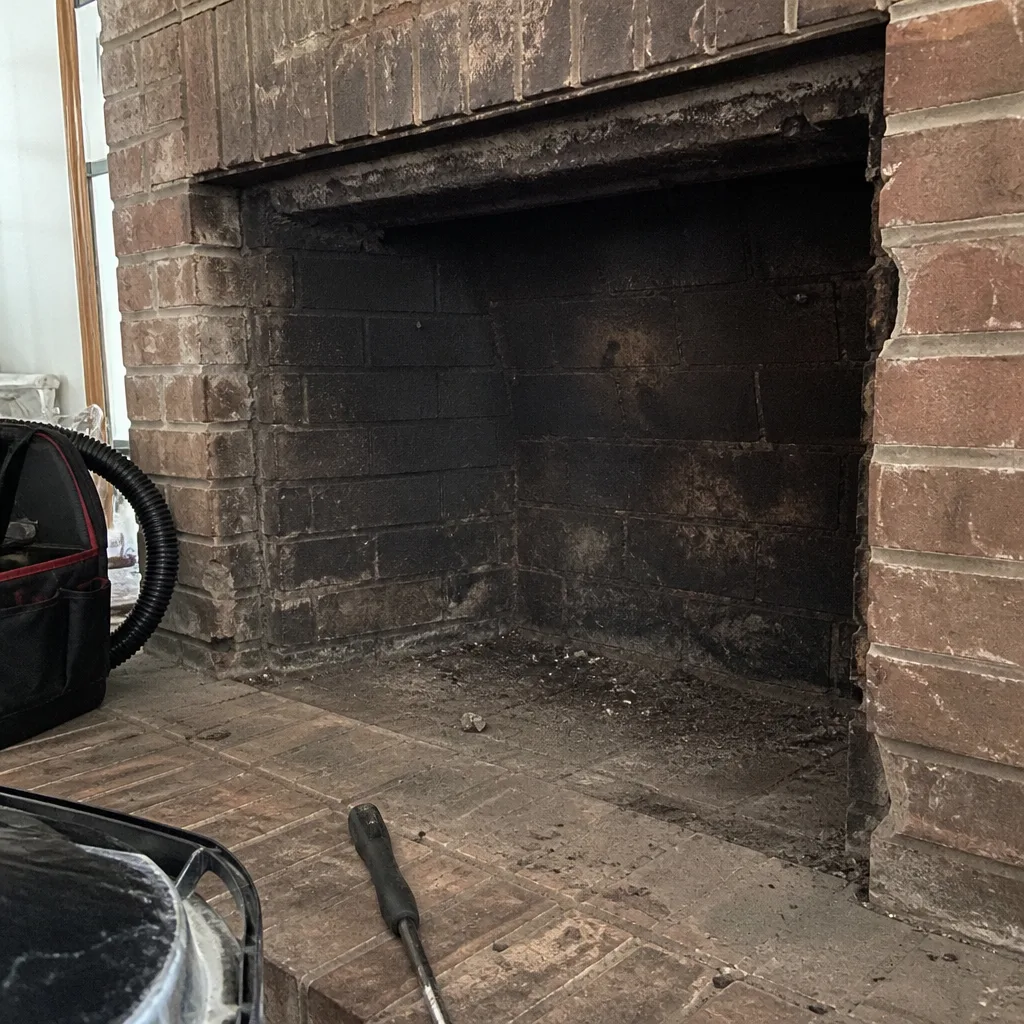 Before
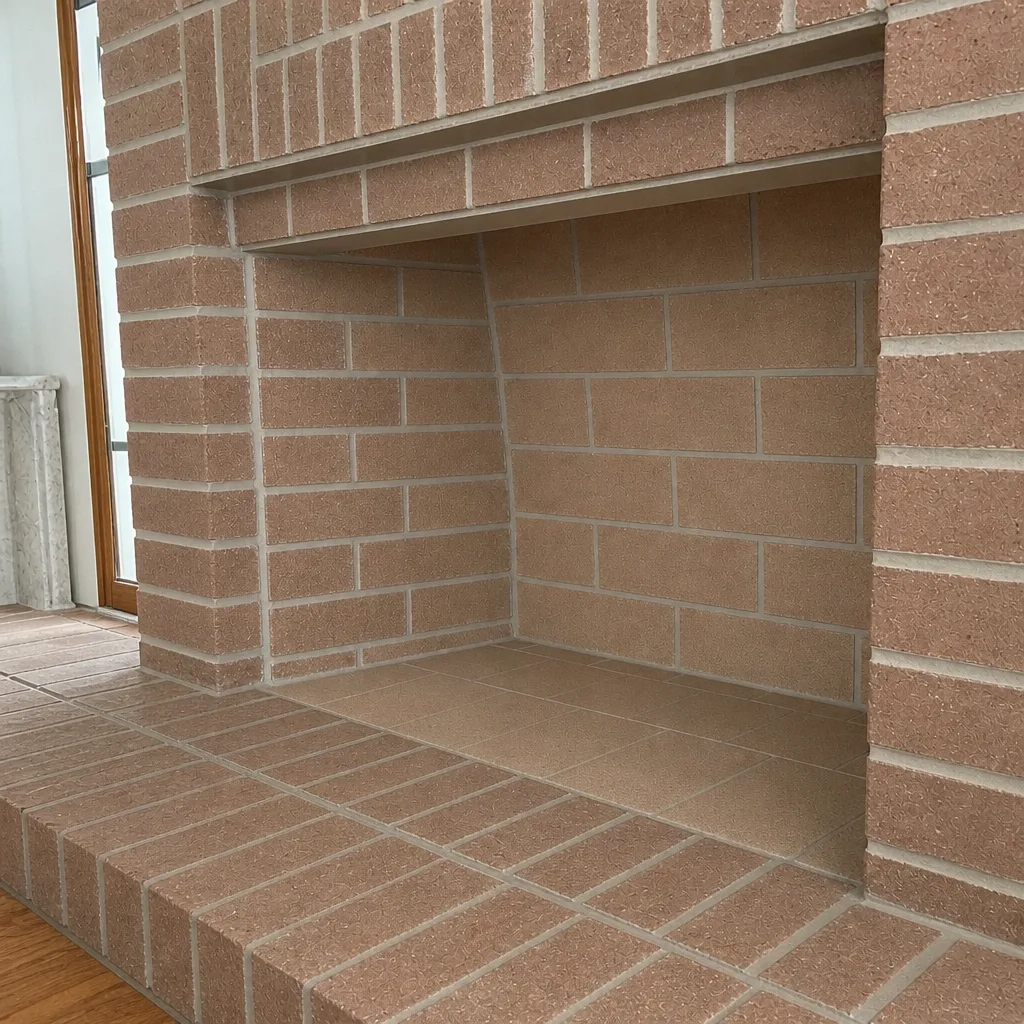 After
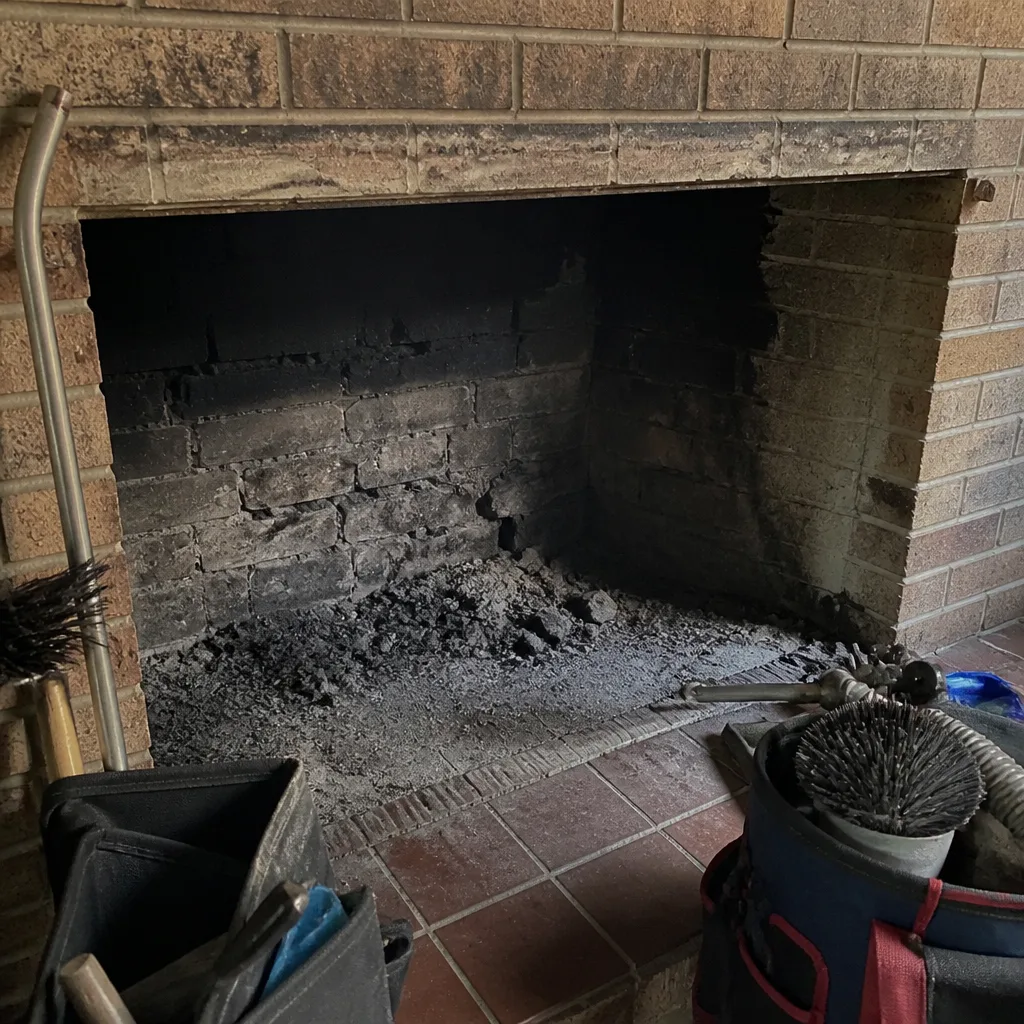 Before
 After
 Before
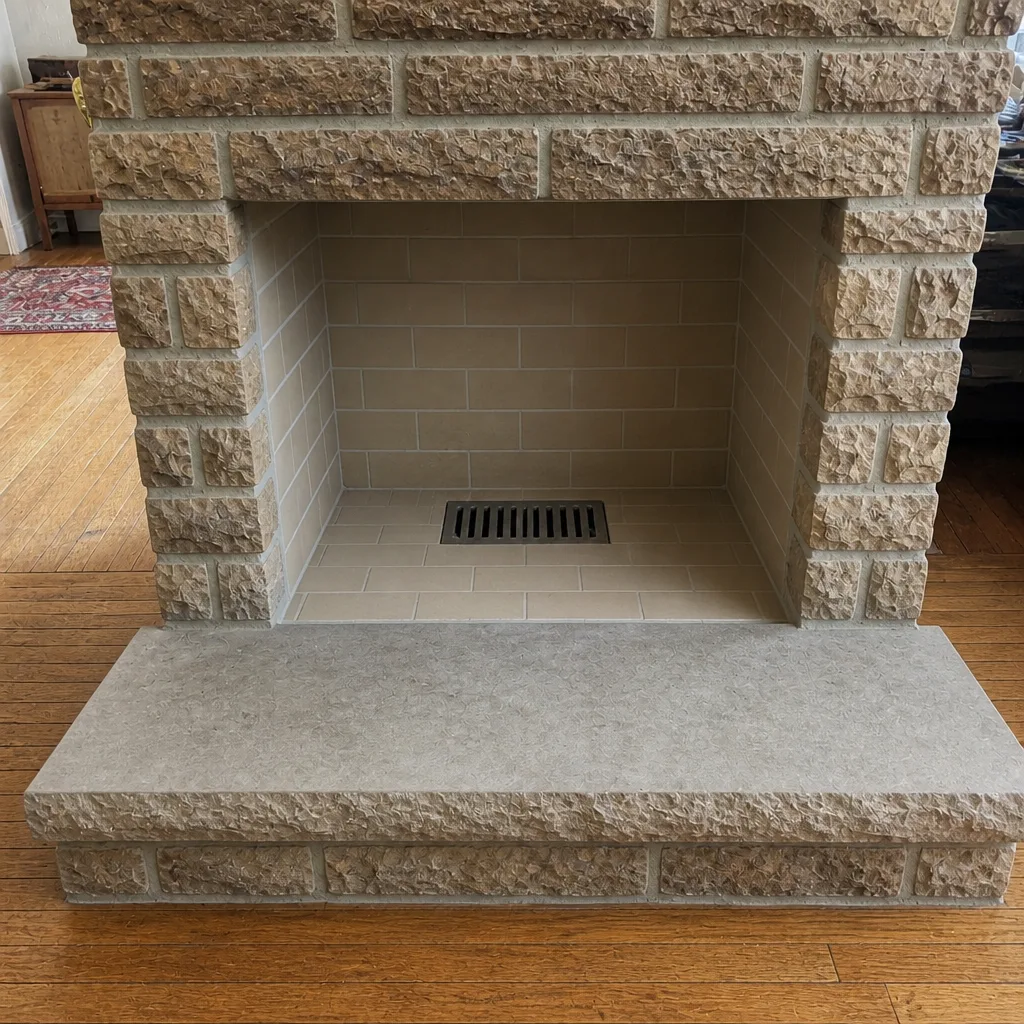 After
The Bottom Line
An annual sweep is the baseline, not the whole schedule. In Minneapolis, the calendar that actually protects a chimney has a spring inspection after the last fire, a summer window for cap and crown checks, a pre-season sweep in late summer or early fall, and a mid-winter look for households burning heavily. Burn volume sets the sweep interval. Masonry, factory-built, and gas units each follow different rules. And a yearly report with photos catches slow trends before they become emergency repairs. If you’re scheduling a chimney sweep and inspection for the season ahead, we can check the flue with a camera, tell you what we find, and handle any repair with professional-grade materials as part of the same visit.
Contact
If you’re ready to get the next season’s chimney care on the calendar, call Northwind Chimney Sweep at (844) 834-2087 for a free estimate. We answer 24/7. Fast dispatch from 7am to 7pm, Sunday through Friday. Reach our Minneapolis team to book a sweep and inspection that won’t leave you guessing. For more about our wider range of chimney repair and inspection work, or to explore our service in and around Minneapolis, call today.
Written by the team at Northwind Chimney Sweep.