
Last updated November 15, 2026
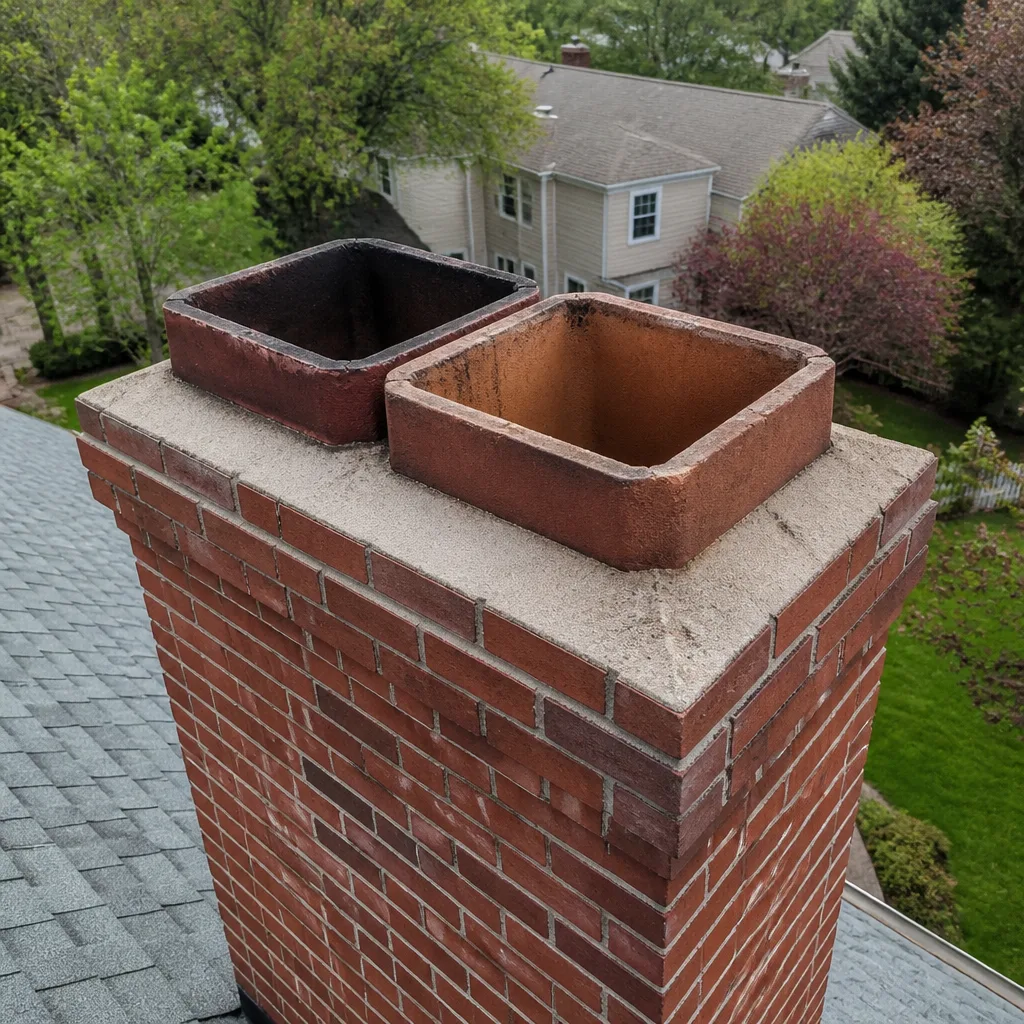 Sweep & inspection
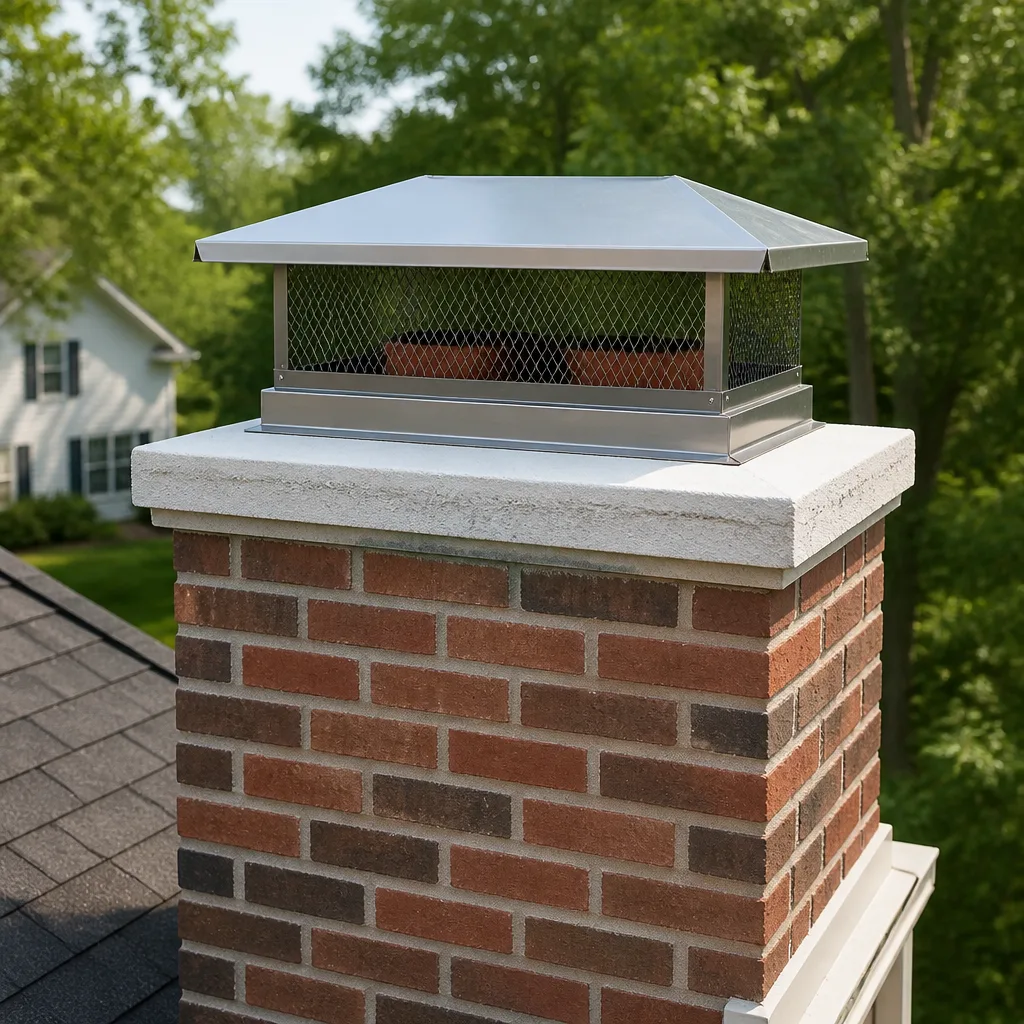 Caps & crowns
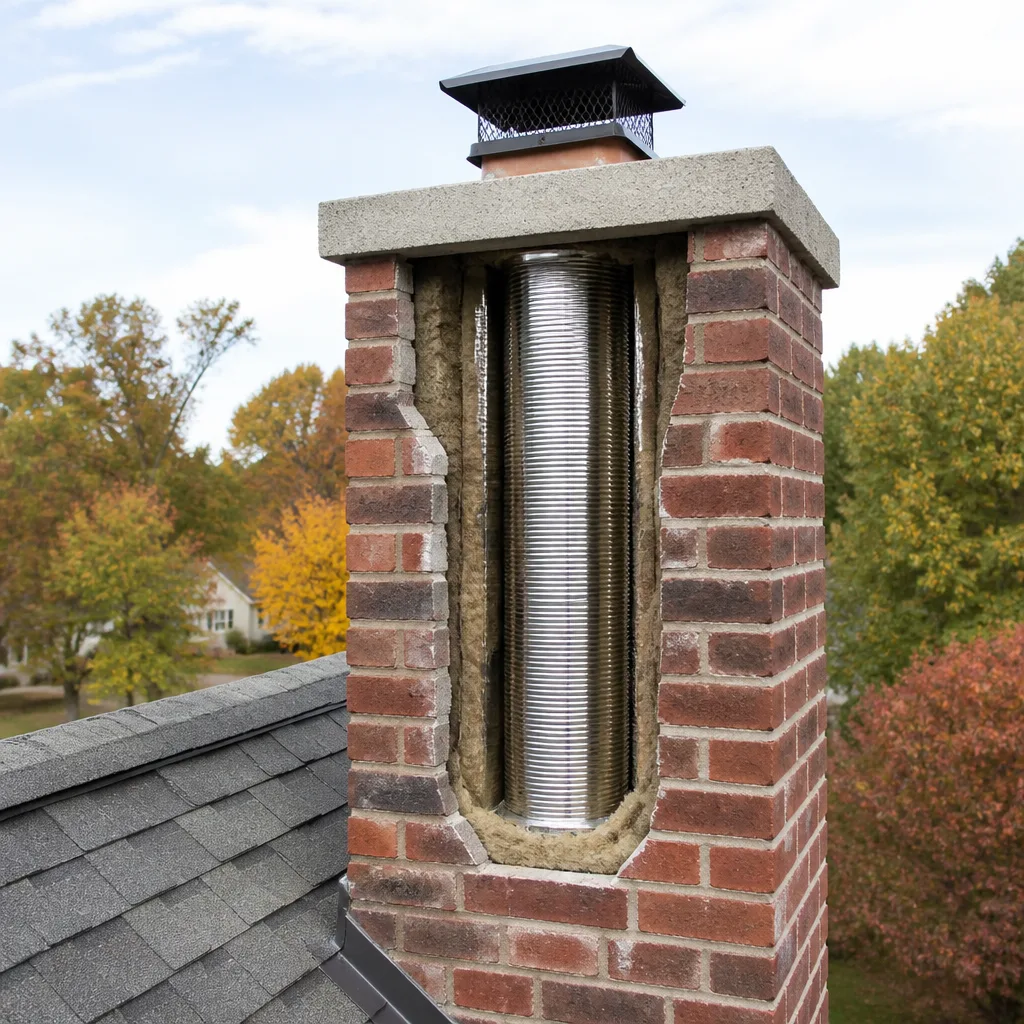 Flue relining
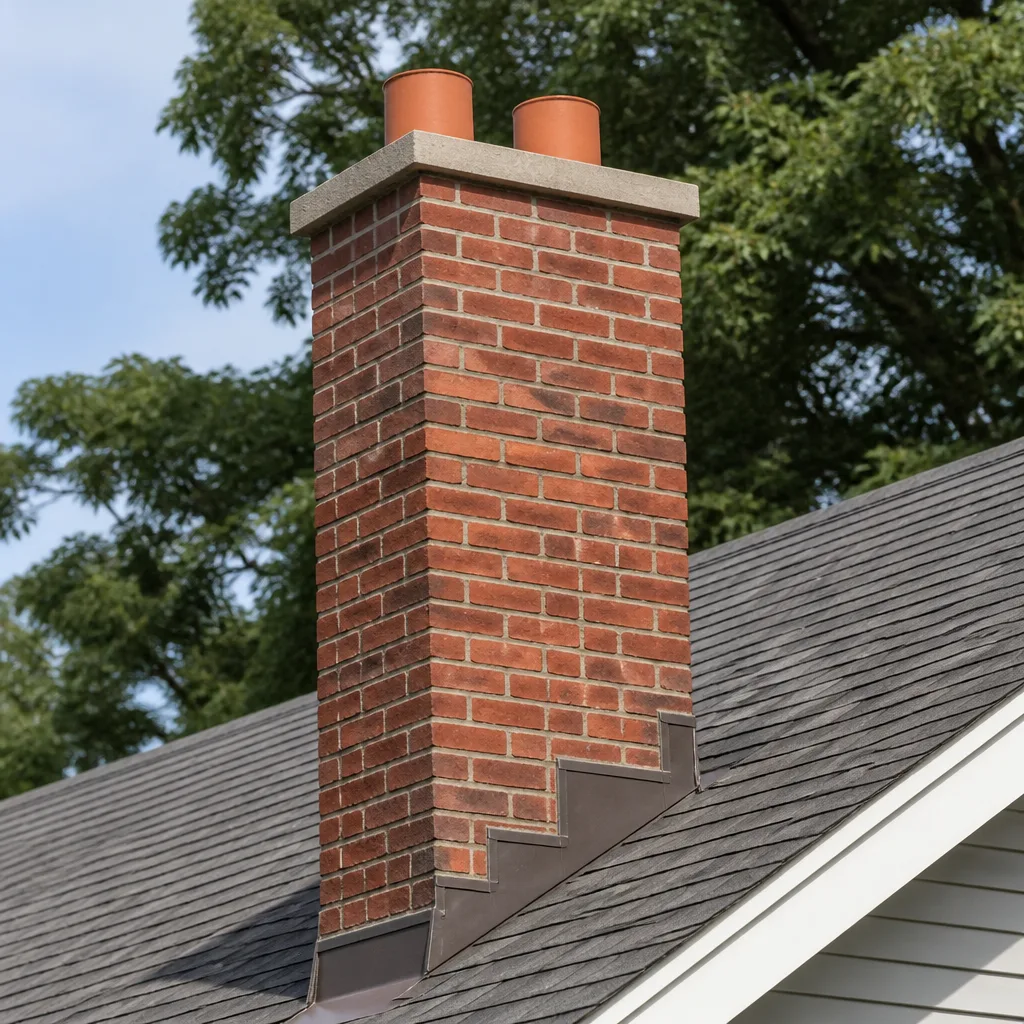 Masonry repair
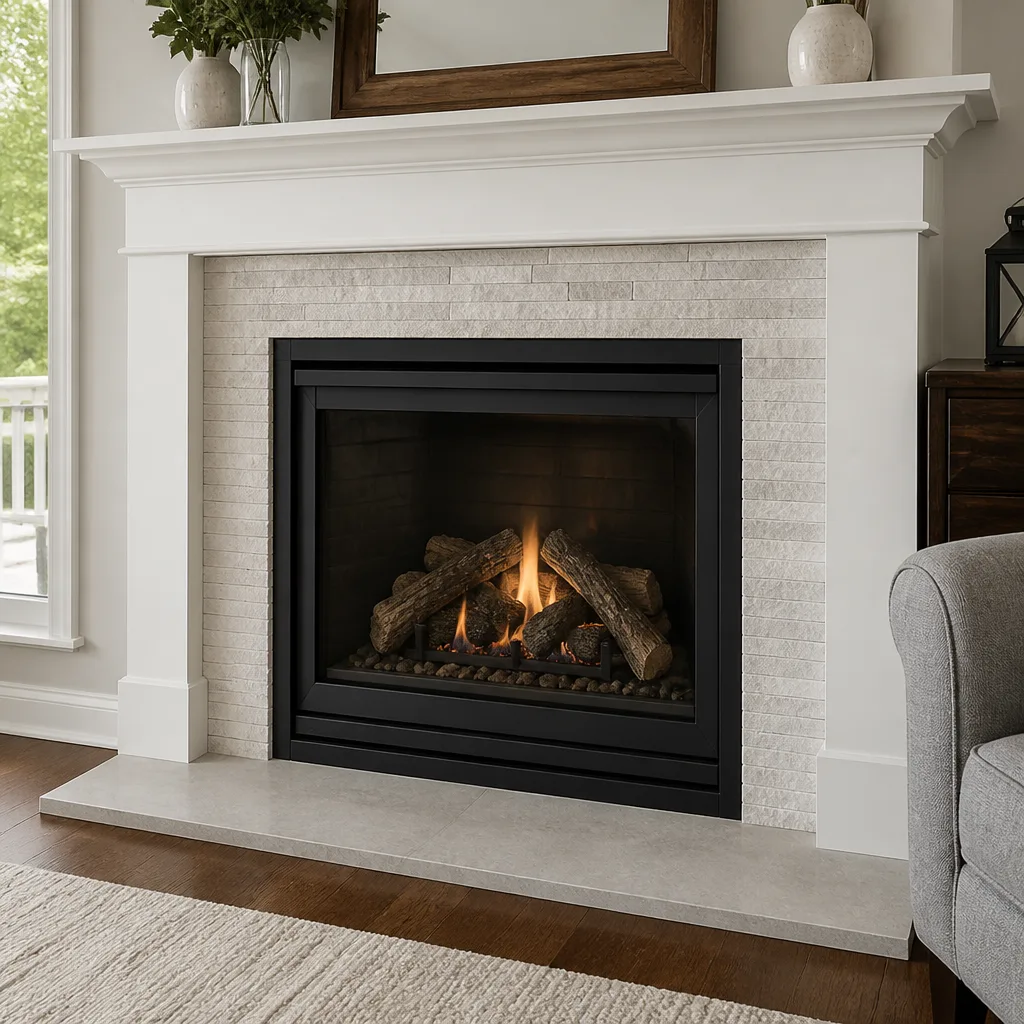 Gas fireplace service
Level 1 sweep and inspection to the NFPA 211 annual standard - flue, crown, cap, and flashing checked and photographed
Chimney sweep logs do not sweep chimneys. They loosen some creosote - which then falls where a brush and vacuum still have to collect it.
Choosing the Right Chimney Cleaning Brand: A Buyer’s Guide for Minneapolis
Most homeowners judge a chimney sweep by the review stars or the price on the invoice. The better test is quieter: ask which liner system they install, which crown sealant they apply, and why they picked that one over another. A sweep who can’t name the product or explain the choice is usually buying from whatever supplier is closest, not specifying what your flue actually needs. In Minneapolis, where winters swing hard between freeze and thaw, that difference in materials shows up within a few seasons. This guide covers the product categories where brand selection actually changes the outcome, how to read a contractor’s answers without sounding adversarial, and how to weigh long-term durability against a lower bid.
Quick Answer
The right chimney cleaning brand for a Minneapolis home is a professional-tier brand sold through trade channels and installed to a manufacturer’s specification, not a retail product off a big-box shelf. Products like HeatShield liner resurfacing systems, DuraFlex flexible liners, and Olympia Chimney components are specified because they’re engineered for a particular flue type, fuel, and climate. In short: brand matters most in three places – liner systems, crown sealants, and creosote treatment – and those are exactly the categories where a generalist sweep tends to improvise.
Styles & brands we work with
- Sweep & inspection
- Caps & crowns
- Flue relining
- Masonry repair
- Gas fireplace service
Table of Contents
- Why Brand Selection Matters More Than the Sweep’s Truck
- The Three Product Categories Where Brand Changes the Outcome
- Retail Chimney Products vs. Specification-Grade Products
- Why Manufacturer Installation Requirements Filter Contractors
- How to Ask a Contractor About Product Sourcing
- The Long-Term Cost Argument in Minneapolis’s Climate
- Cleaning Products vs. Repair Materials: Two Different Decisions
- Common Mistakes to Avoid
- When to Call a Professional
Why Brand Selection Matters More Than the Sweep’s Truck
A chimney is an engineered system, even if it doesn’t look like one from the living room. The flue, the liner, the crown, the cap, and the venting all have to work together, and each part is manufactured to a specification. When a sweep substitutes a generic part, the system still functions – for a while – but the thermal performance and the service life change. That’s why the product lineup tells you more about a sweep’s competence than any credential on the invoice.
The chimney cleaning industry has two rough tiers of contractor. Generalists treat the chimney as an add-on to handyman or HVAC work. They stock whatever is easy, they clean what’s visible, and they hand off anything technical. Specialists treat the flue as a system that demands the right product for the fuel type, the liner material, and the local climate. In Minneapolis, that distinction hits differently because the temperature range is unforgiving. A sealant that holds up in a mild climate can crack through a Minnesota January, and a liner sized for a gas appliance is wrong for a wood-burning fireplace.
None of this means the brand name on the box is magic. What it means is that a sweep who can name the brand, explain why that brand suits your flue, and show you the manufacturer’s spec sheet is working from a specification rather than a guess. We inspect before we recommend, and the inspection is what tells us which product the flue actually calls for. Full details on that process live on our chimney sweep page, but the short version is: diagnosis comes first, product second.
The Three Product Categories Where Brand Changes the Outcome
You don’t need to become a chimney engineer to ask good questions. You do need to know the three categories where brand selection materially affects performance. Everything else is secondary.
1. Liner Resurfacing and Liner Systems
When a clay tile liner is cracked or spalled but still structurally sound, resurfacing can restore it without a full reline. HeatShield is the ceramic resurfacing system we specify for that job – it’s applied to the interior of the existing flue and cures into a smooth, heat-resistant surface. For full relining, flexible stainless systems like DuraFlex are the product class used in commercial and historic restoration work. The brand matters because the material has to survive years of thermal cycling, creosote exposure, and condensate. A generic substitute may pass a first inspection and fail the one after.
2. Crown Sealants: Elastomeric vs. Rigid
The crown is the concrete cap at the top of the chimney, and it takes the worst of the weather. Rigid mortar sealants crack as the chimney expands and contracts. Elastomeric sealants flex with the masonry and hold their seal through freeze-thaw cycles. In Minneapolis, where a single winter can bring dozens of freeze-thaw swings, the flexible product is usually the correct specification. Choosing rigid because it’s cheaper is a false economy – the crack reappears, and water finds the same path back into the flue.
3. Chemical Creosote Modifiers
Creosote comes in stages, from light soot to glazed, tar-like deposits that a brush won’t touch. Chemical modifiers are formulated to break down specific stages, and the wrong product on the wrong stage is wasted effort. A sweep who names the product and the stage it’s meant for is working from a specification. A sweep who reaches for a generic powder is guessing.
Those three categories – liners, crown sealants, and creosote treatment – are where brand selection separates a specialist from a generalist. Everything else in the trade, from brushes to vacuums, matters far less to the homeowner’s long-term cost.
Retail Chimney Products vs. Specification-Grade Products
Walk into a big-box store and you’ll find chimney products on the shelf: sealants, cap kits, brush sets, sometimes a liner kit in a box. These products exist for the homeowner doing a small job, and they work for what they’re designed for. They are not the same products a professional specifies, and the difference isn’t marketing.
- Retail products are designed for a wide, forgiving range of applications. They’re formulated to work “well enough” across many flue types and climates because the manufacturer can’t know what you’re installing them on.
- Trade-channel products are designed for a specific application. A professional liner system is specified for a particular fuel, flue diameter, and temperature range, and the manufacturer publishes installation requirements you have to meet to keep the warranty valid.
- Retail products often carry limited or no warranty for professional installation. Trade products typically carry a manufacturer warranty that depends on correct installation by a trained contractor.
- Trade products require training to apply correctly. HeatShield, for example, isn’t a paint-on product – it’s a ceramic system with an application process, and applying it wrong wastes the material and the money.
That last point is the real reason the trade channel exists. A product that requires training to install correctly can’t be sold alongside paint stirrers, because the manufacturer has no way to guarantee the result. Professional-tier brands like Olympia Chimney and DuraFlex are sold through trade channels because the installation requirements are part of the product. A generalist sweep who buys retail substitutes is, in effect, installing a product that was never designed for the job – and the homeowner pays for that in durability.
Why Manufacturer Installation Requirements Filter Contractors
Every professional-tier chimney product comes with installation requirements: clearances, substrate preparation, cure times, temperature limits, and inspection steps. These requirements exist for safety and for the warranty, and they filter out contractors who can’t meet them. That’s not a bug in the system – it’s the point.
Consider what a flexible liner installation actually requires. The flue has to be cleaned and inspected first, the liner has to be sized to the appliance, the top plate and bottom connection have to be made to spec, and the whole assembly has to be tested before the job is closed. A contractor who skips the inspection can’t size the liner correctly. A contractor who doesn’t carry the right components can’t make the connections to spec. A contractor who isn’t trained on the product can’t apply it in a way that holds the warranty.
This is why we work with a curated roster of professional-tier brands rather than whatever is available: DuraFlex for flexible liner systems, HeatShield for ceramic resurfacing, Olympia Chimney for liner components, and Gelco and Famco for venting, draft caps, and termination components. Each one comes with its own installation requirements, and meeting them is part of the job – not an extra. When a homeowner asks why we specify a particular brand, the answer is usually the same: it’s the product the manufacturer engineered for that application, and it’s the one whose warranty survives a correct installation. A chimney repair done with the right product and the right hands lasts; one done with a substitute is a patch you’ll pay for again.
How to Ask a Contractor About Product Sourcing
You don’t need to sound like an inspector to get a useful answer. A few plain questions, asked conversationally, separate the specialists from the generalists within a couple of minutes.
- “What liner system would you install on this flue, and why that one?” A specialist names the product and the reason. A generalist gives a generic answer or says they’ll “use whatever’s best.”
- “What crown sealant do you use, and is it elastomeric or rigid?” The answer tells you whether they understand freeze-thaw movement. In Minneapolis, this question is not academic.
- “How do you handle glazed creosote – what product or method?” A specialist names the stage and the treatment. A generalist reaches for a brush and hopes.
- “Do you inspect before you recommend, and can I see the camera footage?” The best answer is yes on both counts, with the footage shown to you, not just described.
- “Who handles the repair if the inspection finds a problem?” One crew from inspection to repair is the answer you want. Handoffs between companies are where accountability gets lost.
- “What does the manufacturer’s warranty require for installation, and will your work meet it?” This is the question that separates a specification-driven contractor from a price-driven one.
None of these questions are adversarial. They’re the same questions a good contractor would ask a supplier, turned around. A professional answers them without defensiveness because the answers are part of how they work. If a sweep dodges the product question or gets vague about the warranty, that’s information too.
The Long-Term Cost Argument in Minneapolis’s Climate
A cheaper product costs less on the invoice. It doesn’t necessarily cost less over the life of the chimney, and in Minneapolis the math usually tilts toward the specification product. Here’s why.
The Minneapolis climate runs a wide annual temperature range, and the masonry and metal in a chimney respond to every swing. Expansion and contraction open hairline cracks in rigid materials. Condensation forms on cold surfaces and works its way into any gap. Freeze-thaw cycles push water into cracks and widen them. A specification-grade flexible sealant holds its seal through that cycle. A generic rigid one cracks and lets water in, and the water damages the flue lining behind it.
The same logic applies to liner systems. A flexible stainless liner sized and installed to spec will outlast a generic substitute by a wide margin, because the material and the connections are engineered for thermal cycling. The substitute may pass inspection at installation and fail the one three winters later. That second failure is where the “cheap” option stops being cheap.
Warranty terms amplify the gap. Professional-tier products carry manufacturer warranties that depend on correct installation, which means the contractor has a reason to do the job to spec. Retail substitutes often carry limited or no warranty for professional use, so the homeowner carries the risk. The honest way to compare bids is to ask what happens in year five, not what happens on day one. Estimates are free, and the written estimate sets the final price – so the comparison is there for you to make before you commit.
Cleaning Products vs. Repair Materials: Two Different Decisions
Homeowners often blur “the products a sweep uses” into one category. It’s actually two: the products used for cleaning, and the materials used for repair. Both matter, but for different reasons.
Cleaning products are consumables – brushes, rods, vacuums, and creosote modifiers. The brand matters less here than the method, because the goal is to remove deposits without damaging the flue. What matters more is the inspection that follows: a camera inspection and photo report included with the service is what turns a cleaning into a diagnosis. That diagnosis is what tells you whether a repair is needed at all, and a good sweep is willing to say the chimney can safely wait another season.
Repair materials are where the brand question gets serious. A cracked crown, a spalled liner, a failed cap – each of those is a repair that involves a specification product. HeatShield resurfacing, DuraFlex relining, Olympia Chimney components, and Gelco and Famco venting products are all in the repair category. The brand on the can or the box is the difference between a repair that lasts and a patch that doesn’t. We treat every flue, liner, and crown as part of one system, so the materials we specify have to work together – not just fix the visible symptom.
Common Mistakes to Avoid
- Choosing a sweep by price alone. The lowest bid is usually the lowest because the materials are cheaper or the inspection is skipped. In Minneapolis, a cheap repair that fails after one winter costs more than the right one.
- Never asking which products the sweep uses. A sweep who can’t name the liner system or the crown sealant is sourcing from convenience, not specification. The question takes ten seconds and tells you a lot.
- Accepting a repair recommendation without seeing the camera footage. You shouldn’t have to take “you need a new liner” on faith. A professional shows you the evidence and explains what it means, and says plainly when the work can safely wait.
- Assuming retail products are the same as trade products. A sealant from the hardware store isn’t the same formulation as an elastomeric crown sealant specified for freeze-thaw climates. They’re designed for different applications and different warranties.
- Treating the crown as a cosmetic detail. The crown is the chimney’s first defense against water. A rigid sealant that cracks in Minneapolis winter is how water gets into the flue in the first place.
- Skipping the inspection after a cleaning. Cleaning without inspection is housekeeping without a diagnosis. The inspection is where you learn whether anything else needs doing.
- Ignoring the manufacturer’s installation requirements when comparing bids. A bid that doesn’t meet the spec isn’t a cheaper version of the same job – it’s a different, shorter-lived job.
When to Call a Professional
Some chimney work is routine, and some is a call you make now. Call a professional if you’ve moved into a new home and don’t know when the flue was last inspected, if your insurance company is asking for an inspection report at closing, if you see cracked masonry, a damaged crown, or rust on the firebox, or if you’re switching fuels or installing a new appliance. Call if smoke backs into the room, if the fire burns poorly, or if you smell creosote on a warm day. And call before the first cold snap if the chimney hasn’t been looked at in a while – a booked inspection in Minneapolis is easier to schedule ahead of the season than during it.
Northwind Chimney Sweep offers free estimates in Minneapolis – call (844) 834-2087. We inspect before we recommend, and we’ll show you what we find.
See the difference
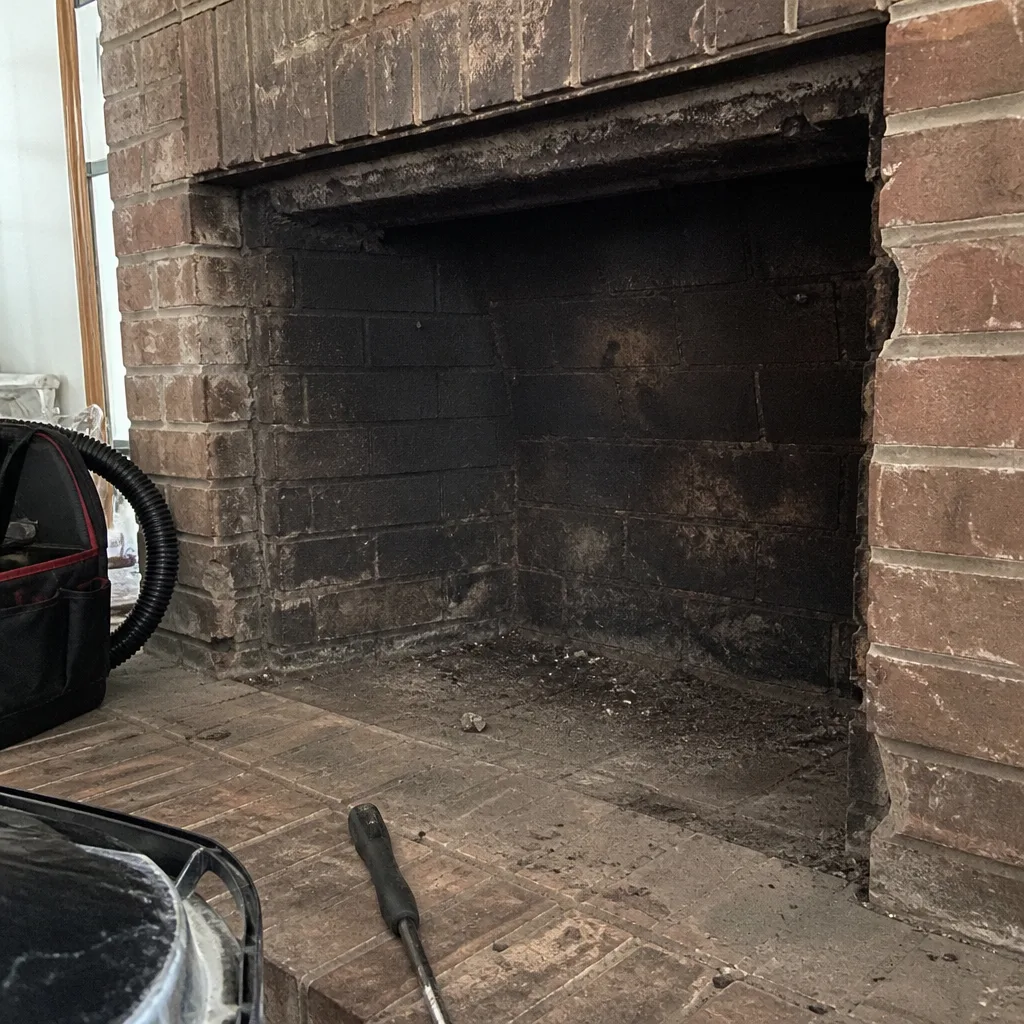 Before
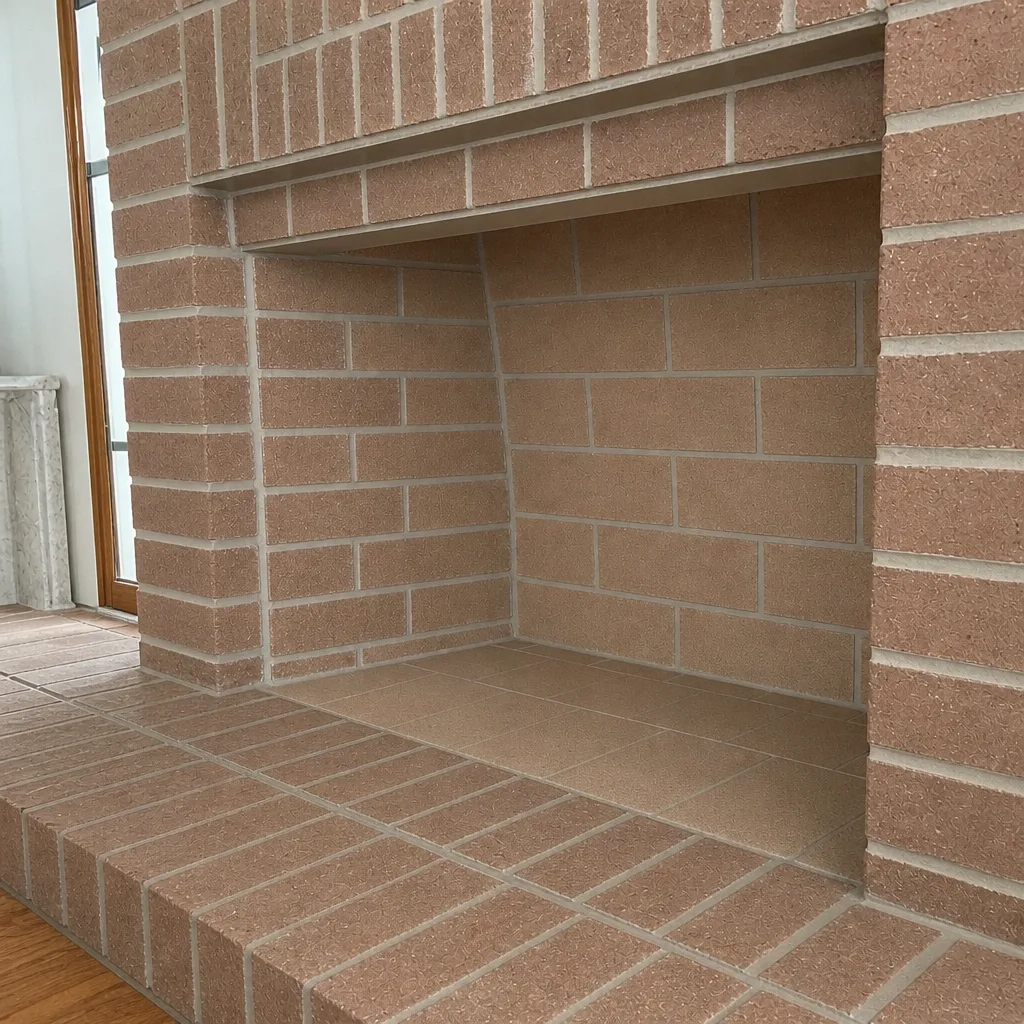 After
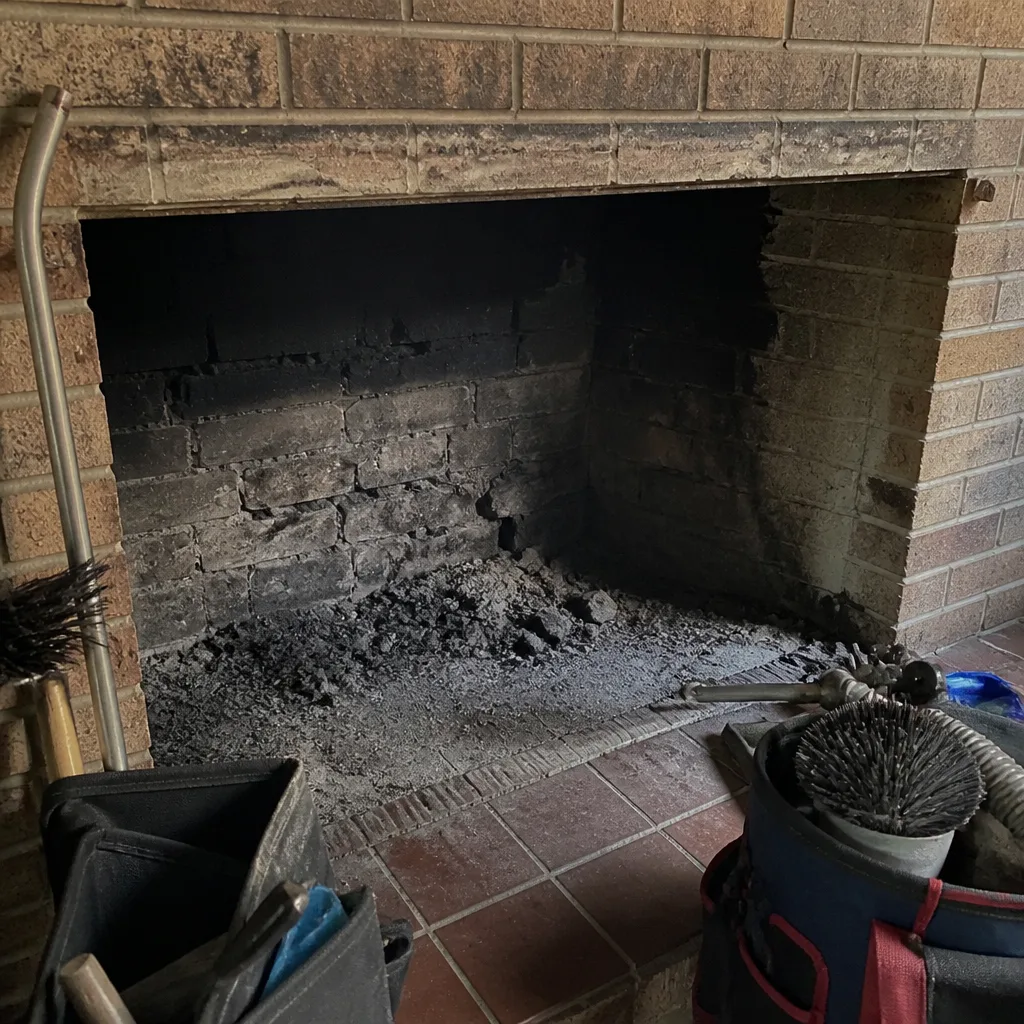 Before
 After
 Before
 After
Frequently Asked Questions
For Minneapolis, the brands worth asking about are the professional-tier ones sold through trade channels: HeatShield for ceramic liner resurfacing, DuraFlex for flexible liner systems, Olympia Chimney for liner components, and Gelco and Famco for venting and draft components. The “best” brand is the one specified for your flue type, fuel, and climate – not the one with the biggest logo. Ask a sweep to explain why they chose a product, not just what it’s called. Call (844) 834-2087 for an exact quote – estimates are free.
Brand matters because specification products are engineered for a particular application, and their performance and warranty depend on correct installation. A retail substitute may work at first and fail faster in a freeze-thaw climate. The brand tells you whether the contractor is working from a specification or from convenience.
A full reline needs a professional liner system sized and installed to the manufacturer’s spec. Retail products are designed for small homeowner jobs, not full liner replacement. If a sweep proposes a retail substitute for a reline, ask what the manufacturer’s warranty requires – and get a second opinion if the answer is vague. Call (844) 834-2087 for a free estimate.
Ask three questions: which liner system would you install on this flue, which crown sealant do you use and is it elastomeric, and how do you treat glazed creosote. A specialist answers all three with a product name and a reason. A generalist gets vague. Call (844) 834-2087 to talk through your flue with us.
Yes. The freeze-thaw swings in Minneapolis put masonry and sealants under more stress than a mild climate does. Flexible elastomeric sealants and specification-grade liner systems handle that cycling better than rigid or generic alternatives. The right product for the flue is the one engineered for the temperature range it will actually see.
Skipping the inspection means skipping the diagnosis, so a cracked liner or a failing crown can go unnoticed until it causes a problem. A camera inspection and photo report included with the service lets you see the flue for yourself and decide what can wait. Call (844) 834-2087 for an exact quote – estimates are free.
The Bottom Line
The products a sweep uses are a more honest signal of competence than any credential on the invoice. Specification-grade materials – HeatShield, DuraFlex, Olympia Chimney, Gelco, Famco – exist because the manufacturer engineered them for a particular flue, fuel, and climate, and they require training to install correctly. That requirement is what filters the generalists from the specialists. In Minneapolis, where freeze-thaw cycles test every sealant and liner, the difference shows up within a few seasons. Ask the product questions, ask to see the inspection footage, and compare bids on what happens in year five. Northwind Chimney Sweep handles inspection, cleaning, and repair through one crew, and we inspect before we recommend. For professional-grade chimney care in Minneapolis, call (844) 834-2087 for a free estimate. We answer 24/7. Fast dispatch from 7am to 7pm, Sunday through Friday.
Written by the team at Northwind Chimney Sweep.