
Last updated November 15, 2026
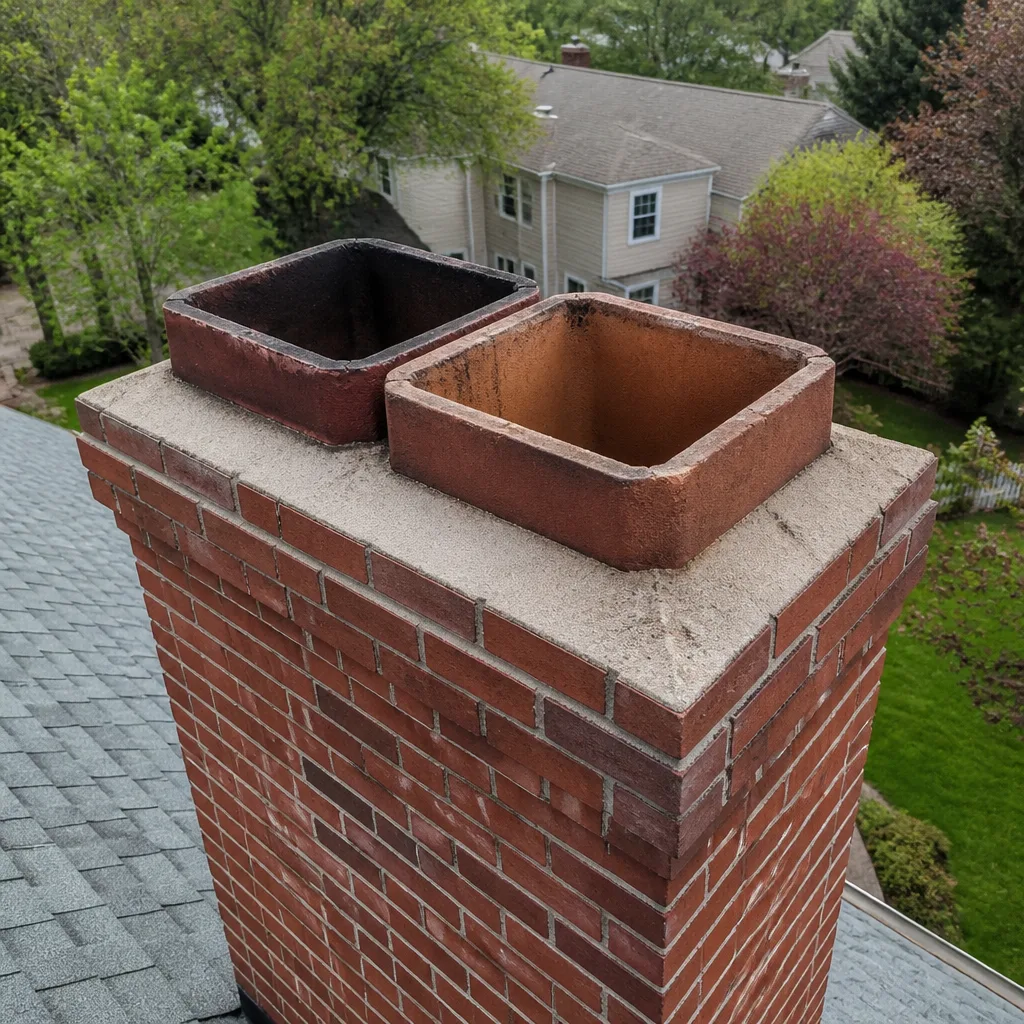 Sweep & inspection
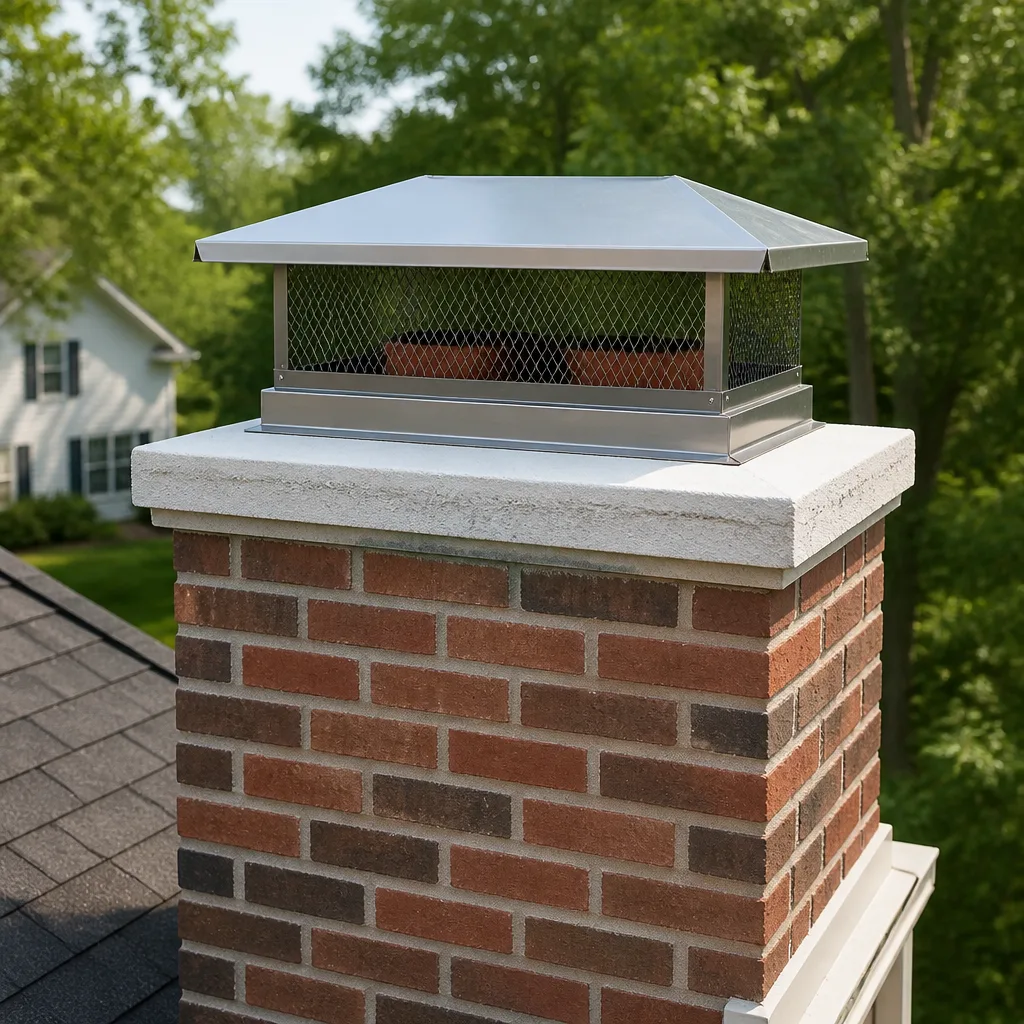 Caps & crowns
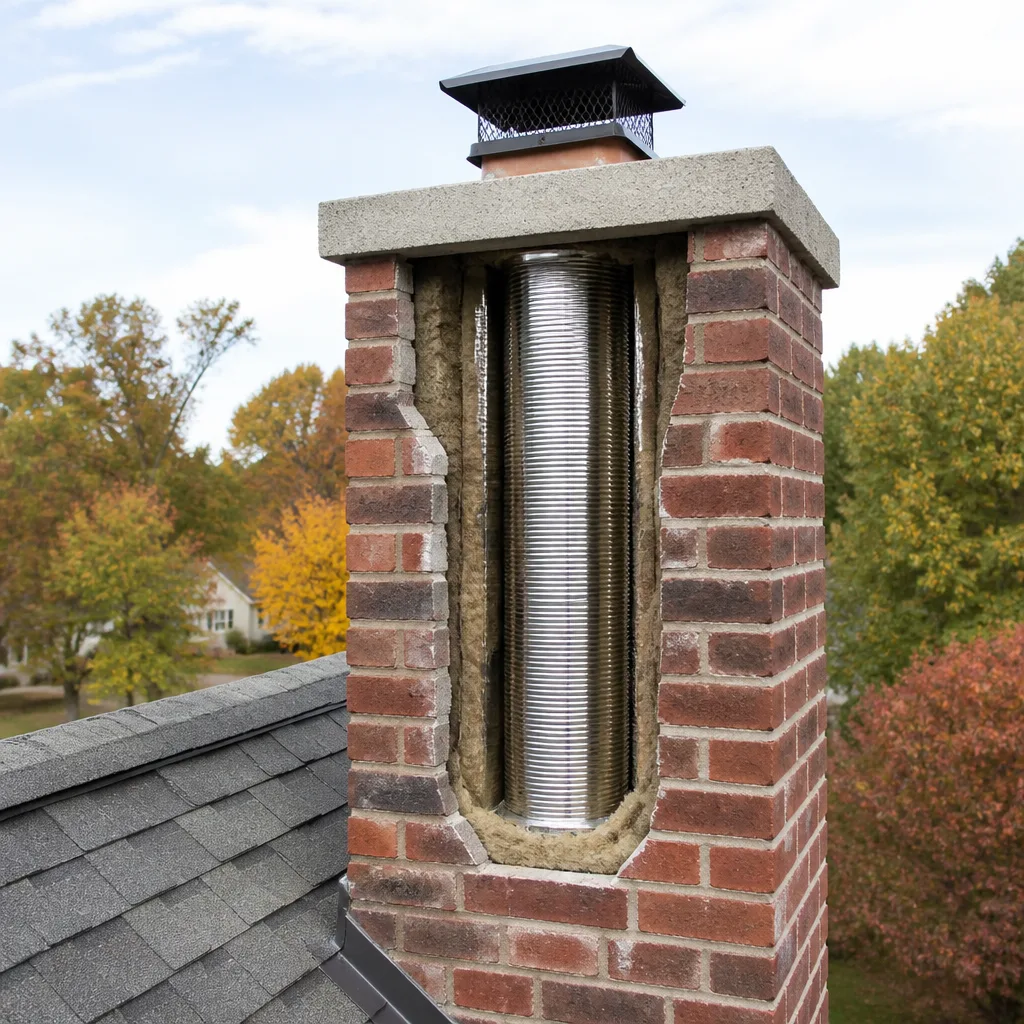 Flue relining
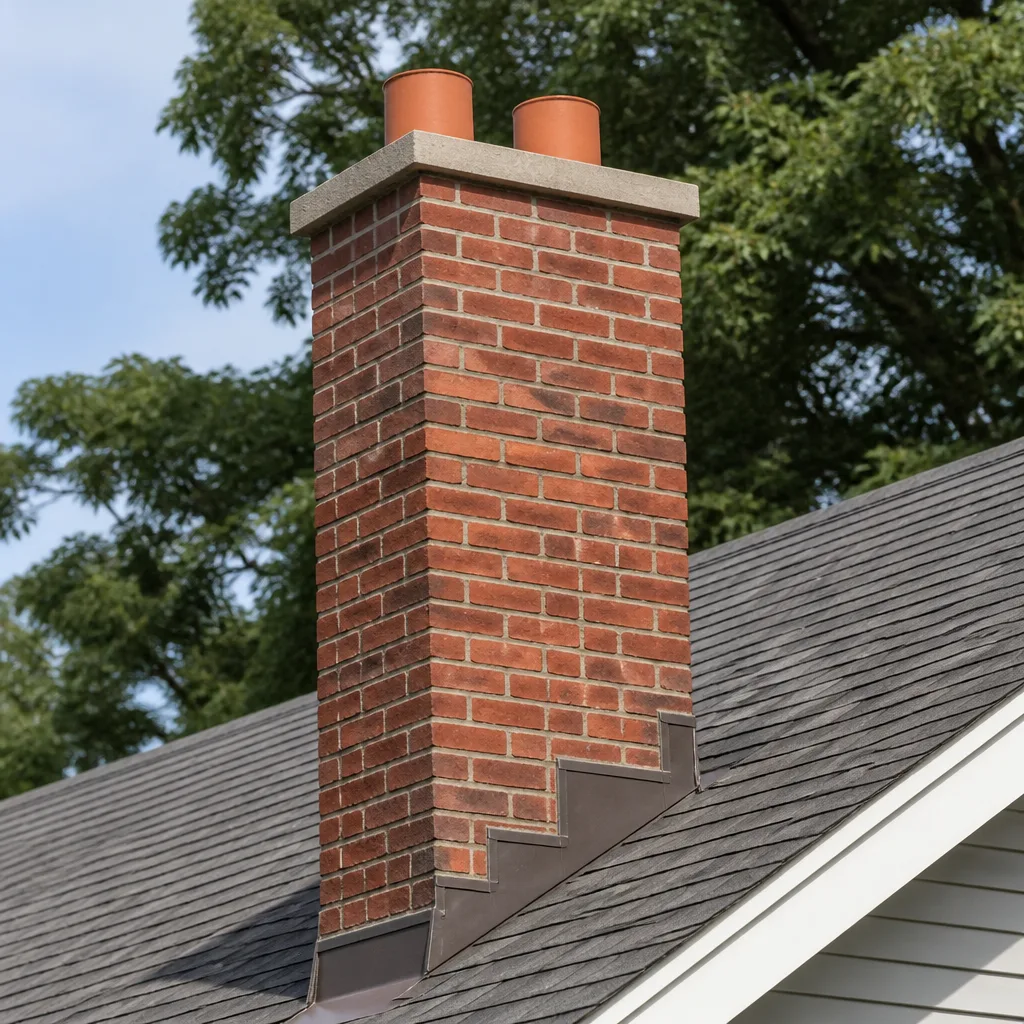 Masonry repair
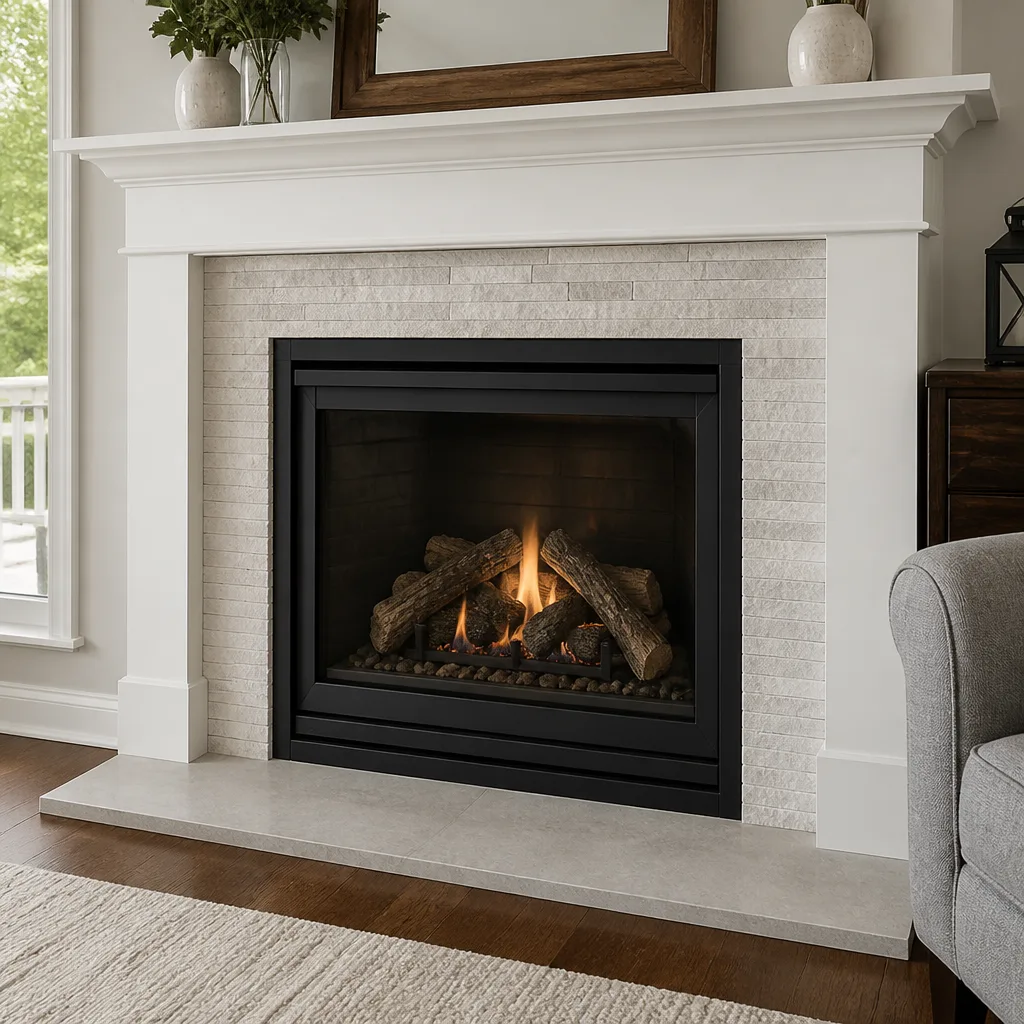 Gas fireplace service
Level 1 sweep and inspection to the NFPA 211 annual standard - flue, crown, cap, and flashing checked and photographed
Chimney sweep logs do not sweep chimneys. They loosen some creosote - which then falls where a brush and vacuum still have to collect it.
How to Hire a Chimney Cleaning Contractor in Minneapolis: A Step-by-Step Guide
Minnesota doesn’t issue a state license specifically for chimney sweeps. That one fact reshapes how you should hire. Anyone with a brush, a ladder, and a business card can call themselves a chimney professional in Minneapolis, and nothing at the state level stops them. So the filter that protects your home isn’t a license check at the capitol building – it’s the questions you ask before someone climbs onto your roof. This guide walks through those questions in order: what certification actually verifies, how to test a contractor’s materials knowledge in one conversation, what a real estimate contains, and how to handle a level 2 inspection if you’re buying or selling a home in Minneapolis. You’ll finish knowing how to tell a chimney specialist from a generalist passing through.
Quick Answer
To hire a chimney cleaning contractor in Minneapolis, verify CSIA certification, ask which specific liner and sealant brands they work with, require a written scope of work (not just a price), and confirm they perform all three phases – inspection, sweeping, and repair – rather than subcontracting the diagnosis. In a state with no chimney-specific license, those four checks replace the licensing filter you’d use in other trades, and they’re what separates a specialist from a generalist.
Styles & brands we work with
- Sweep & inspection
- Caps & crowns
- Flue relining
- Masonry repair
- Gas fireplace service
Table of Contents
- Why hiring is harder in Minnesota than you’d expect
- What CSIA certification verifies and what it doesn’t
- The materials litmus test: ask what they stock
- The fall rush trap: seasonal scarcity in Minneapolis
- What a legitimate estimate includes
- Level 2 inspections for buying or selling a home
- A step-by-step vetting checklist
- Common mistakes to avoid
Why Hiring Is Harder in Minnesota Than You’d Expect
Most trades you hire around a house come with a state credential you can look up. Electricians, plumbers, and HVAC contractors all sit inside licensing systems with exams, bond requirements, and a paper trail. Chimney work sits outside that framework. Minnesota has no dedicated chimney sweep license, and that gap is the single most important thing to understand before you start calling contractors in Minneapolis.
What fills the gap is voluntary certification, most prominently through the Chimney Safety Institute of America. Certification is real and worth requiring, but it’s a private credential, not a state enforcement mechanism. No inspector is going to shut down an uncertified sweep. The homeowner does that job, one phone call at a time.
There’s a second layer of difficulty specific to this climate. A Minneapolis chimney takes a genuine beating. Wood smoke, repeated freeze-thaw cycles, and long heating seasons all stress masonry and liners harder than in milder regions. A chimney that would coast for years in a warmer state can develop cracked mortar, spalling brick, and a deteriorating flue in a shorter window here. That means the person you hire isn’t just cleaning a tube – they’re your first line of diagnosis on a system under real seasonal load.
So the vetting you do has to carry more weight than it would elsewhere. The rest of this guide is built around closing that gap. You’re not looking for the cheapest call in Minneapolis; you’re looking for the contractor whose answers hold up under questioning.
What CSIA Certification Actually Verifies
CSIA certification is the floor, not the ceiling, of what you should require. It verifies that a technician passed an exam on chimney and venting fundamentals and has committed to a code of conduct. That’s meaningful. What it doesn’t verify is how deep their repair capability runs, which product lines they actually work with, or whether they’ve handled a full reline on a 1920s Minneapolis house with a clay flue that’s seen better decades.
Here’s what certification does tell you:
- The technician has demonstrated baseline knowledge of how chimneys and venting systems are supposed to work.
- There’s an accountability structure behind the credential – certification can lapse or be revoked.
- They’ve committed to a standard of conduct rather than purely a sales model.
Here’s what it doesn’t tell you:
- Whether they can install a liner system or only recommend one.
- Whether their repair knowledge extends past a wire brush and a shop vac.
- Whether their inspection aligns with NFPA 211, the standard buyers, sellers, and insurers reference at closing.
Our technicians have up to 12 years of experience, and even that experience only means something when paired with the right materials and a proper diagnostic process. Certification is where the conversation starts. The materials question is where it gets interesting.
The Materials Litmus Test: Ask What They Stock
Ask a contractor which liner systems and sealant brands they work with, and listen carefully. A specialist names specific product lines without hesitation. A generalist gives you a vague answer about “quality materials” or “whatever the job needs.” That single exchange tells you more than any review score.
Why does it matter? Because flue work is a materials discipline. A chimney liner isn’t a commodity – flexible stainless systems, ceramic resurfacing compounds, and draft caps all come in grades built for different applications. When we recommend a relining project, it’s on the strength of brands like DuraFlex for flexible stainless liner systems and HeatShield for ceramic resurfacing that can restore a liner without full replacement. Those aren’t names a general handyman keeps in the truck – they’re professional-tier products specified on commercial and high-spec residential work.
Here’s how to run the test in a single call:
- Ask which liner brands they work with. A specialist names them. A generalist deflects.
- Ask how they handle a clay flue with cracks. A materials-literate contractor talks about relining options and resurfacing approaches; a generalist says “we’ll take a look” and leaves it there.
- Ask about caps and draft management. A specialist treats a draft cap or termination cap as part of the chimney system, not an aftermarket add-on. Familiarity with products like Olympia Chimney and Gelco in the venting space is a useful signal.
- Ask what happens if the flue fails inspection. The right answer involves a specific repair path with named materials, not a shrug and a referral to “someone who does liners.”
The broader point: a contractor who can name their materials is a contractor who works with them. One who can’t probably doesn’t. This single question does more filtering than any credential lookup.
The Fall Rush Trap: Seasonal Scarcity in Minneapolis
Every autumn, Minneapolis homeowners wake up to the first cold snap and suddenly want their chimney swept. The demand spikes hard and fast, and the supply of qualified contractors doesn’t scale with it. That gap is where unqualified operators find work.
The pattern is predictable. In late spring and summer, callbacks are quick and scheduling is flexible. By October, the good contractors are booked out, and anyone still available at short notice is worth a second look. Not because short-notice availability is inherently bad – it’s because the seasonal squeeze creates exactly the conditions under which a generalist with a brush can underbid a specialist and get the job.
What you can do about it:
- Book your sweep outside the fall scramble. A late-spring or summer cleaning gets you a thorough appointment and a real conversation about the chimney’s condition. The urgency here is seasonal, not hourly, so there’s no reason to wait for the panic.
- Treat aggressive fall pricing with suspicion. A price that undercuts everyone in the metro during peak season usually reflects a thinner scope, not a better deal.
- Ask about the appointment itself. How long will the technician be on site? Will they do a camera inspection? A rushed 20-minute visit during the fall rush often means the inspection got skipped.
If you’re already into the heating season and realize the chimney needs attention, don’t panic-book the first call that comes up. The same vetting questions apply. A proper chimney sweep in Minneapolis is worth a short wait; a bad one leaves you with a false sense of security heading into January.
What a Legitimate Estimate Includes
An estimate that’s just a number is a warning sign. A real written estimate breaks down the scope of work, the access method, and how the contractor will handle what comes out of the flue. If you can’t read the estimate and understand exactly what will happen during the visit, ask for it in writing before anyone shows up.
Here’s what a legitimate estimate should cover:
- Scope of work. Is this a standard sweep, an inspection, a repair, or some combination? Which of the three does the price actually pay for?
- Access method. Will the technician work from the roof, through the firebox, or both? On steep or complex rooflines this matters, and it affects how the job is done safely.
- Creosote disposal plan. What comes out of your chimney has to go somewhere. A legitimate contractor tells you how it’s collected and removed.
- Inspection depth. A camera inspection with a photo report is the standard we hold ourselves to, because you should be able to see what we see. If the estimate doesn’t mention inspection, ask whether it’s included.
- Repair recommendations, clearly separated. What’s needed now, what can safely wait, and what the evidence is for each.
The estimate should also make you comfortable saying no. Nothing gets recommended without camera evidence you can see for yourself, and any contractor worth hiring will tell you plainly when work can wait. A written estimate that separates the “needed now” list from the “watch this” list is a good sign. One that folds everything into a single urgent number is not.
Level 2 Inspections When Buying or Selling a Home
If you’re in the middle of a Minneapolis real estate transaction, a level 2 inspection is usually the right call. A level 2 inspection goes beyond the basic visual check – it covers accessible portions of the chimney and venting system, typically with a camera, and produces documentation. It’s what buyers, sellers, and insurers reference at closing, and it aligns with NFPA 211, the standard that anchors the whole process.
How to handle the conversation with your contractor:
- State the purpose up front. Tell them it’s for a real estate transaction, not routine maintenance. That changes what the inspection needs to produce.
- Ask for documentation you can share. A photo report and a written summary are what the other side of the transaction needs. Verbal findings don’t travel well.
- Ask how they distinguish “needed for closing” from “nice to have.” A good inspector separates safety-critical findings from cosmetic wear, so the negotiation doesn’t get inflated.
- Ask about timing. Closings have dates attached, and the inspection has to fit inside the contingency window.
On the repair side, this is where material knowledge pays off during a transaction. If the inspection turns up a damaged flue, you and the contractor need a repair path: relining with a system like DuraFlex, or ceramic resurfacing with something like HeatShield, depending on what the camera shows. A level 2 inspection is only useful if the person who performs it can also explain the fix. Otherwise you’re getting a report you can’t act on.
Roughly the same logic applies to chimney inspection for any homeowner heading into a first heating season in a new house. The inspection is the diagnostic foundation of everything else. Get it right, and every downstream decision gets easier.
A Step-by-Step Vetting Checklist
Here’s the whole process in one runnable sequence. Work through it in order, and you’ll filter out the generalists before they get to your roof.
- Verify certification. Confirm CSIA certification for the technician who’ll actually do the work, not just the company name on the van. Ask directly.
- Ask the materials question. Which liner systems and sealant brands do they work with? Name the test in your head: a specialist answers in specifics, a generalist deflects.
- Confirm the three phases are handled in-house. Inspection, sweeping, and repair should be performed by the same crew. If diagnosis is subcontracted to one outfit and repair to another, nobody owns the outcome.
- Request a written estimate. Scope, access method, disposal plan, and inspection depth, all in writing. If it’s a single number with no breakdown, ask for the detail.
- Ask about inspection standards. Do they align with NFPA 211? Will you get a camera inspection and a photo report you can see for yourself?
- Ask what happens if the flue fails. A good answer names specific repair paths and brands. A vague one names “someone we work with.”
- Ask about scheduling outside the fall rush. If you can book before the autumn crunch, do it. Better appointment, more thorough conversation.
- Verify insurance and bonding. Ask for proof. In a state without a chimney-specific license, this is part of your filter.
That’s the whole process. Eight questions, most of them answerable in a short call. Spend twenty minutes on this and you’ll know more about your prospective contractor than any review page can tell you. If you want a benchmark for what a specialist sounds like, the team that answers these questions well is the team worth hiring. The folks behind Northwind Chimney Sweep take calls on exactly these terms, and a proper chimney repair conversation starts with the same materials questions any vetting should.
Common Mistakes to Avoid
- Treating certification as sufficient. CSIA certification is a starting filter, not a guarantee of repair capability. Pair it with the materials test and a written estimate before you commit.
- Hiring on price alone during fall. The cheapest bid in the peak-season rush often reflects a thinner scope, not a better deal. A Minneapolis chimney is under real seasonal load, and a rushed sweep leaves problems unresolved going into winter.
- Skipping the camera inspection. If you can’t see the inside of your flue, you’re taking the contractor’s word on findings you can’t verify. Ask for a photo report.
- Accepting a verbal estimate. A number on a phone call isn’t a scope of work. Get the estimate in writing with disposal, access, and inspection depth spelled out.
- Letting one company inspect and another repair. Handoffs between diagnosis and resolution create gaps where things get lost. One crew should own the outcome from inspection through repair.
- Ignoring the level 2 inspection in a home purchase. In a Minneapolis real estate transaction, a documented inspection that aligns with NFPA 211 is what the insurer and the other side of the deal will want to see.
- Believing “quality materials” without names. If the contractor won’t name liner systems and sealant brands, assume they don’t carry them. The materials question is the fastest filter you have.
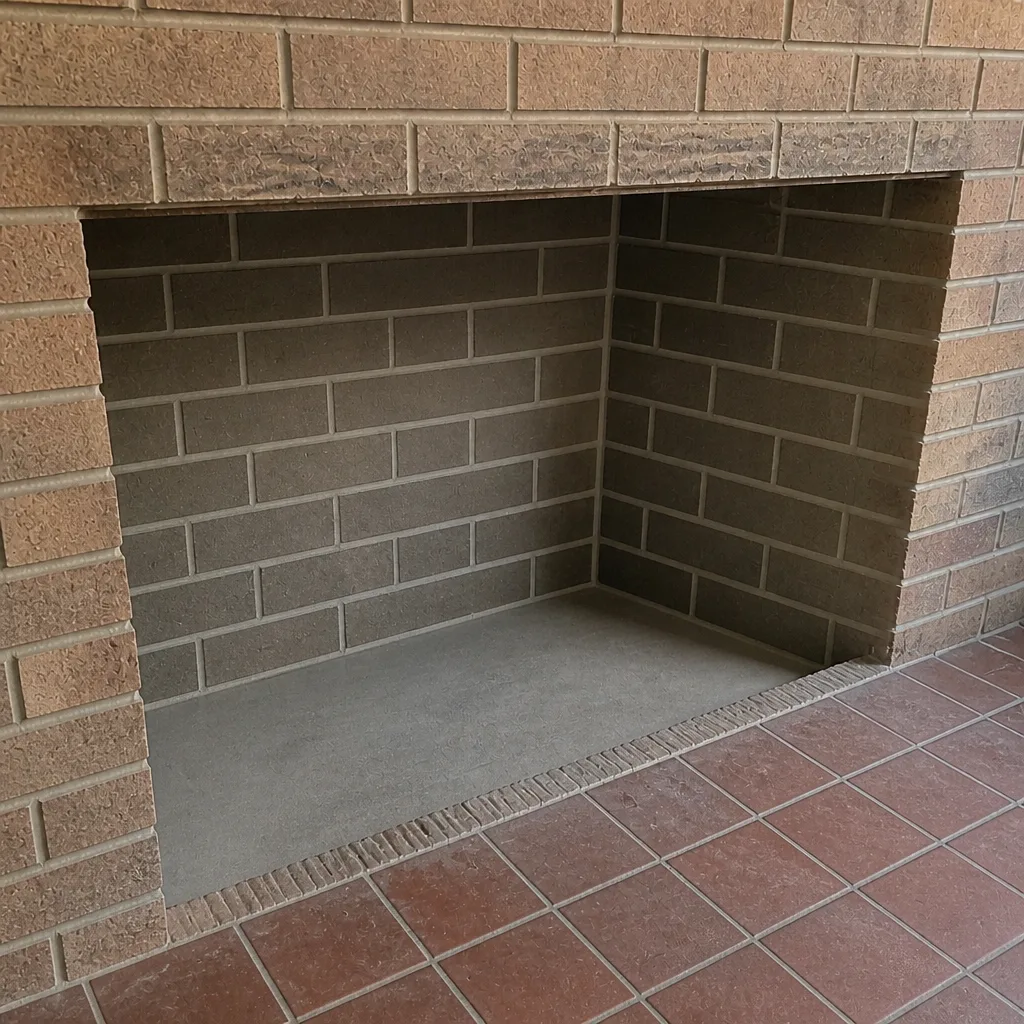
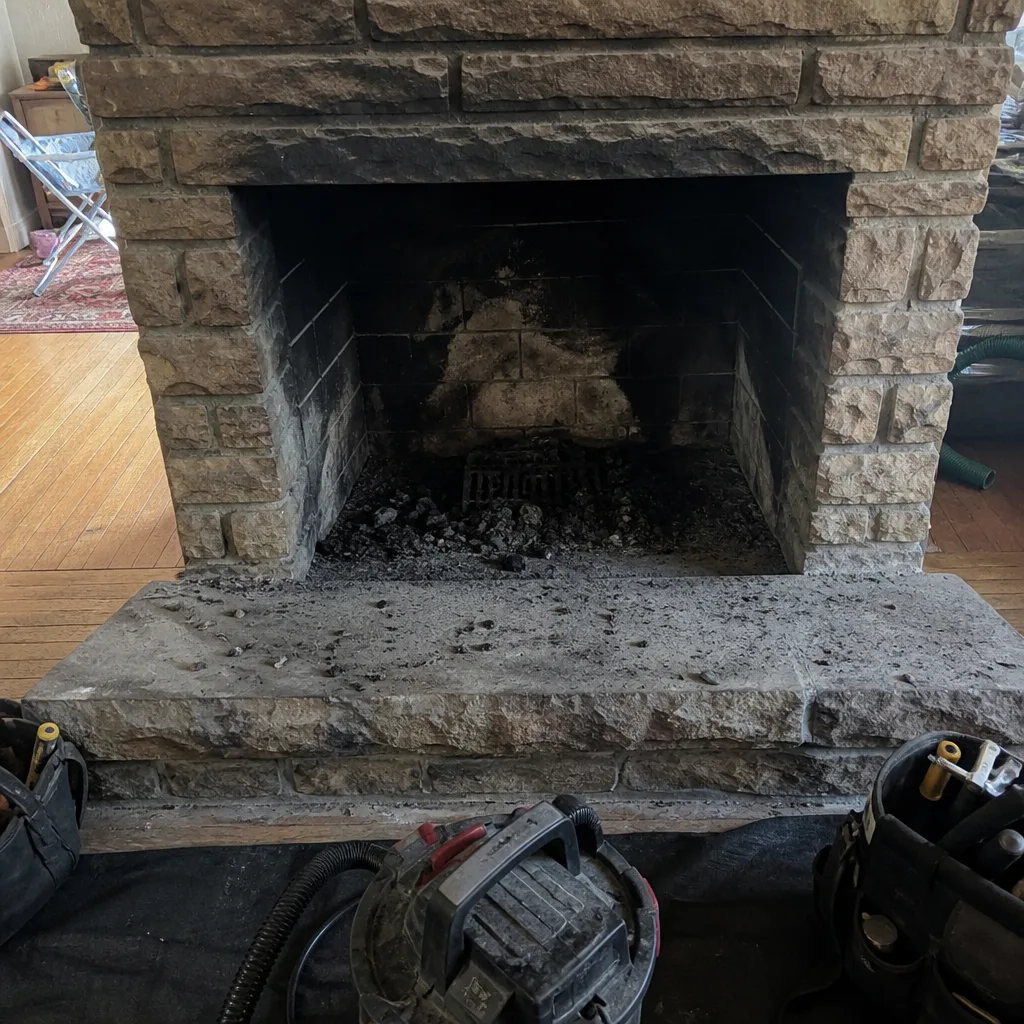
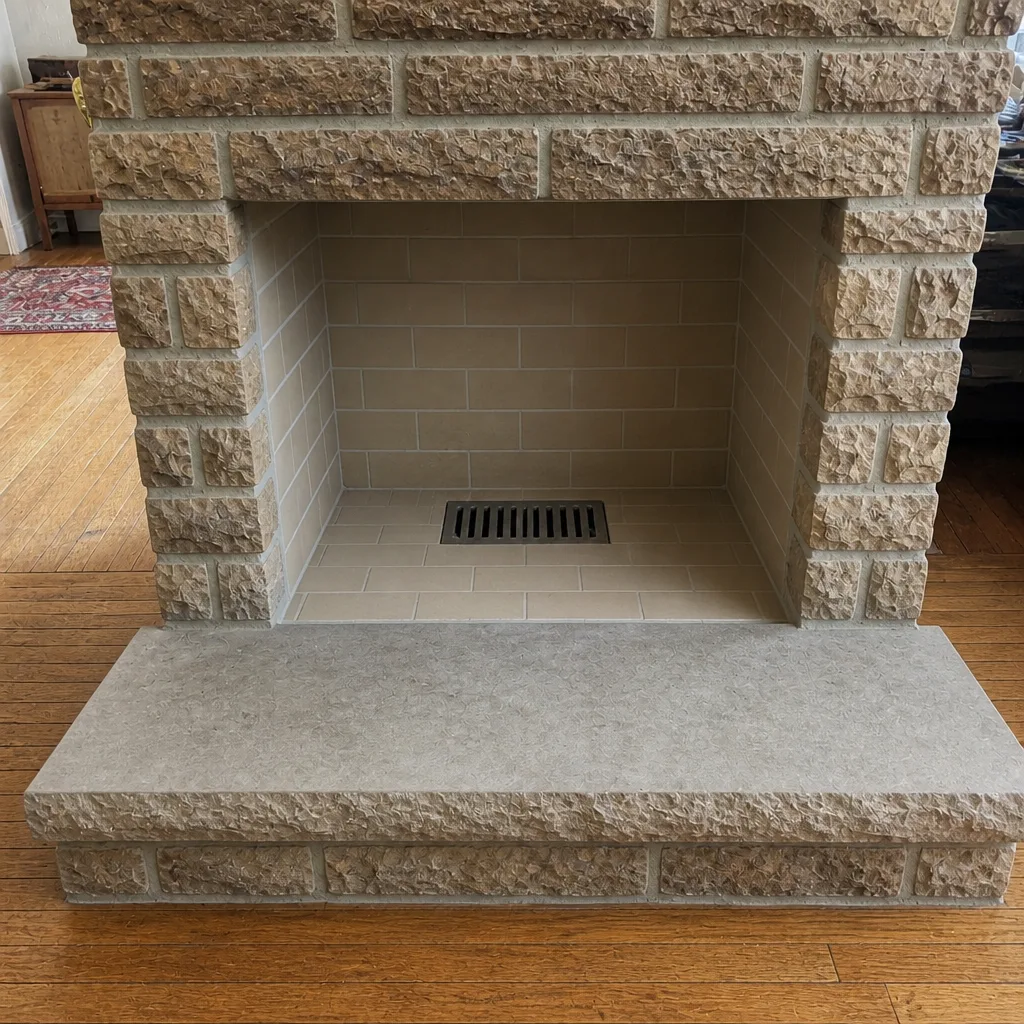
See the difference
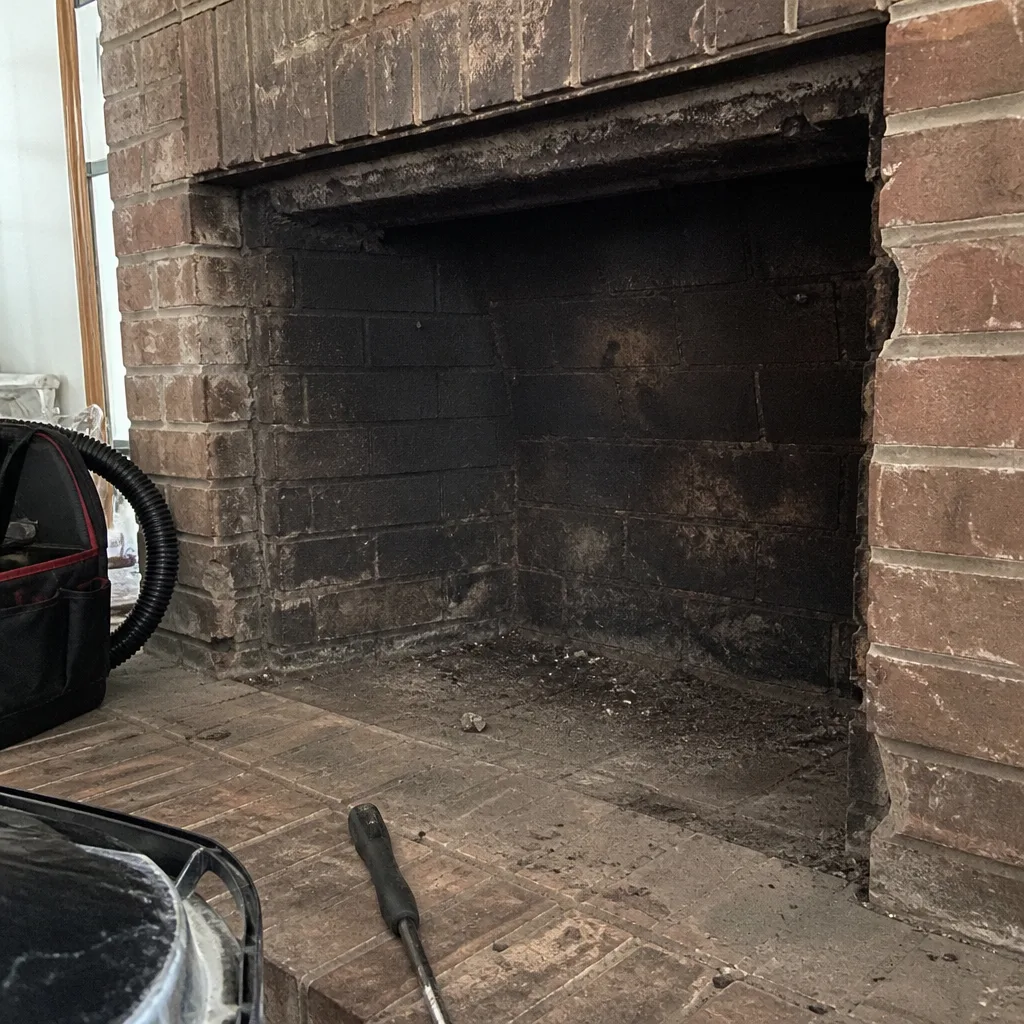 Before
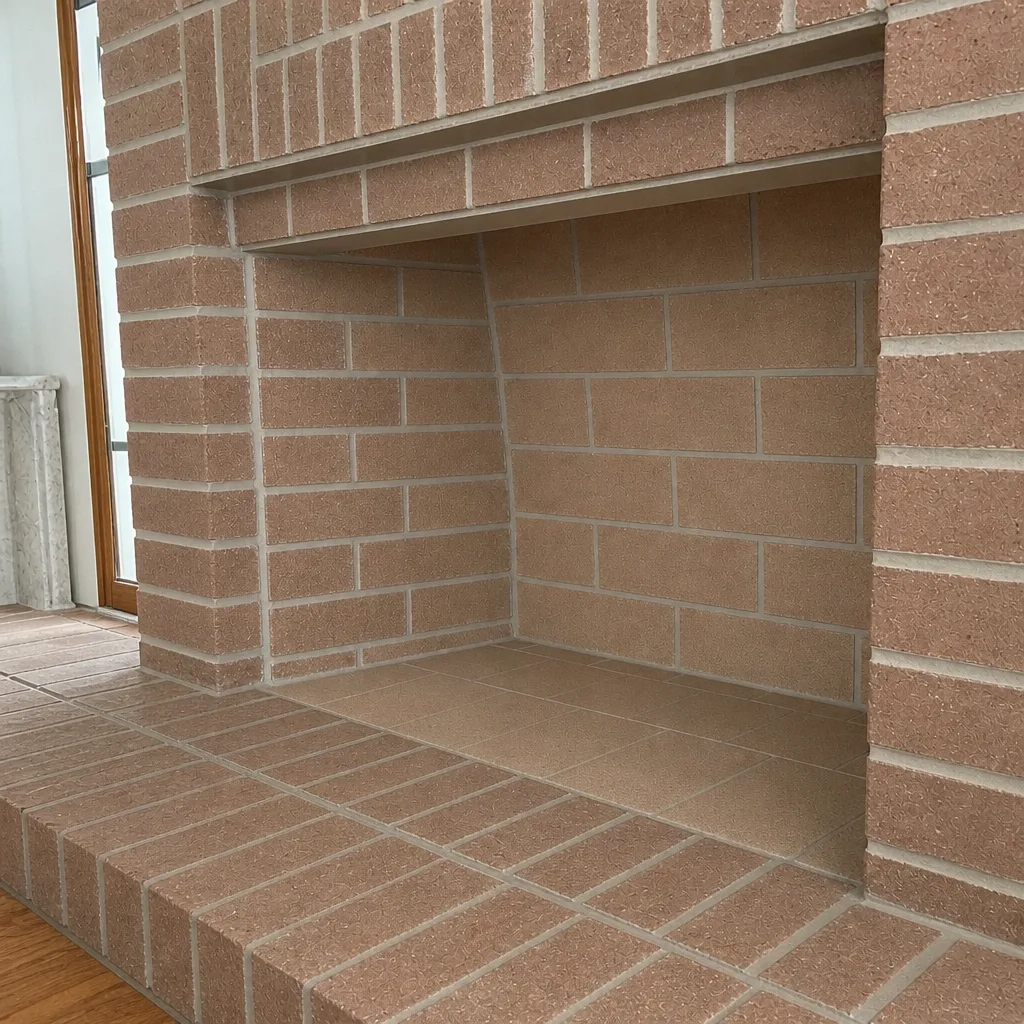 After
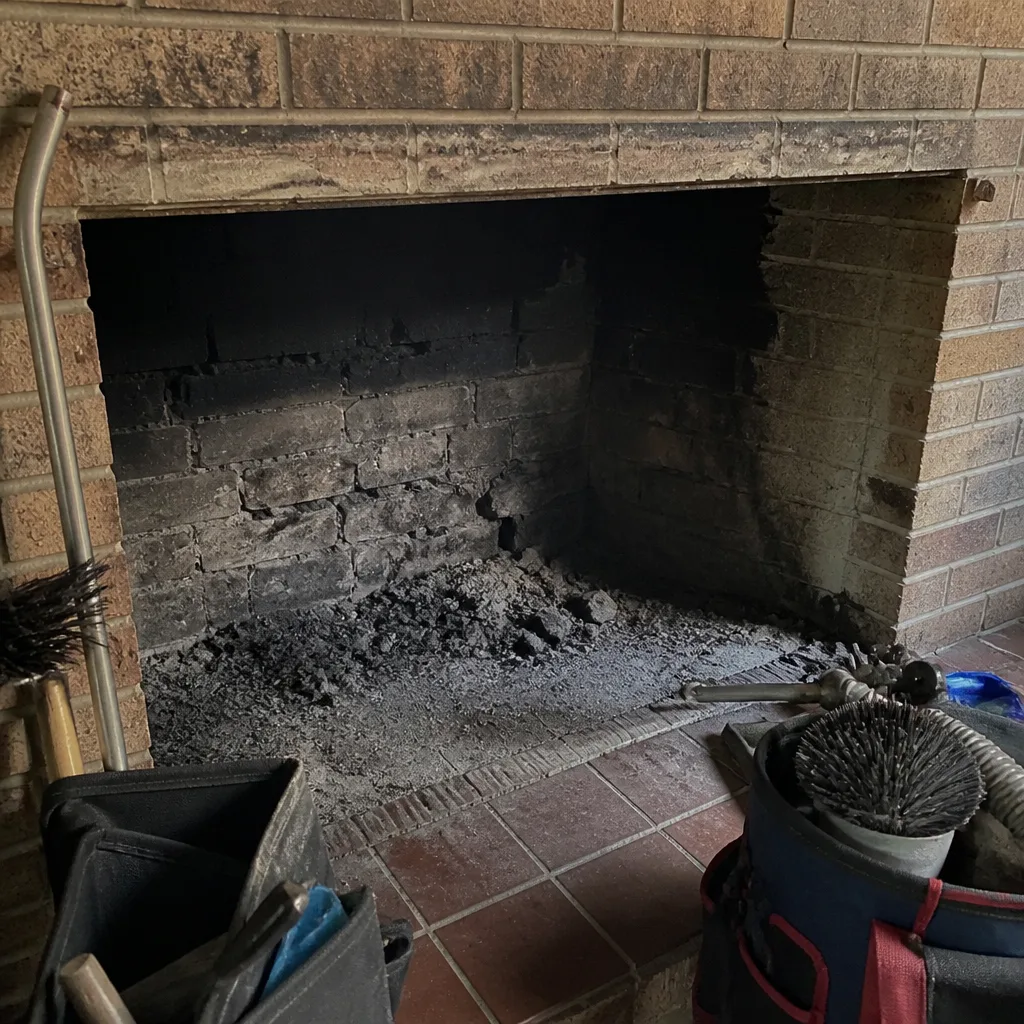 Before
 After
 Before
 After
When to Call a Professional
Some chimney problems are obvious. Others are hidden until they cause trouble. Call a professional if you’ve just moved into a Minneapolis home with an unfamiliar chimney, if it’s been more than a year since the last sweep, or if you’re noticing smoke backing into the room, a strong creosote smell, or visible damage to the masonry or cap. If you’re in a real estate transaction and need a level 2 inspection documented for closing, that’s a professional call too. And if the inside of your flue is a mystery, a camera inspection is the way to end the mystery before the heating season starts. Some of these signals – a weakened flue liner, degraded masonry near a gas appliance, creosote-heavy deposits – carry real safety stakes, and they shouldn’t be handled by anyone who isn’t trained for them. Northwind Chimney Sweep offers free estimates in Minneapolis and serves the metro with inspection, sweeping, and repair under one crew. Call (844) 834-2087. We answer 24/7. Fast dispatch from 7am to 7pm, Sunday through Friday.
Frequently Asked Questions
Minnesota does not issue a state license specifically for chimney sweeps, so there’s no official license to check. Instead, verify CSIA certification, ask about insurance and bonding, and run the materials test – those replace the licensing filter you’d use for other trades. In our experience, a specialist who can name their liner systems and sealant brands is a better filter than any card on the wall. Call (844) 834-2087 for an exact quote – estimates are free.
CSIA certification proves that a technician passed an exam on chimney and venting fundamentals and has committed to a code of conduct. It does not prove repair capability or materials expertise, so treat it as the floor of what to require, not the ceiling. Pair it with the materials question and a written estimate for a complete vetting. Call (844) 834-2087 for a free estimate.
Chimney sweeping in Minneapolis is priced per job, and the written estimate is what sets the final number – we don’t quote a flat figure before we’ve seen the flue. The estimate should include scope of work, access method, creosote disposal, and whether inspection is included, and none of that should be a surprise on the invoice. Anything you’re told over the phone is a rough guide; the written estimate is the real number. Call (844) 834-2087 for an exact quote – estimates are free.
Ask three things in order: whether the technician is CSIA certified, which specific liner and sealant brands the company works with, and whether inspection, sweeping, and repair are all handled by the same crew. A specialist answers all three without hesitating. A generalist deflects on at least one, usually the materials question. Call (844) 834-2087 for a free estimate.
A level 2 inspection is usually the right call in a Minneapolis real estate transaction, because buyers, sellers, and insurers reference the documented findings at closing and the inspection aligns with NFPA 211. Ask for a camera inspection and a photo report you can share with the other side of the deal. It’s the difference between a finding the other party accepts and a finding they dispute. Call (844) 834-2087 for a free estimate.
A legitimate contractor shows you the camera evidence and explains the specific repair path, rather than jumping straight to a full reline. Depending on what the camera shows, options may include ceramic resurfacing, which can extend liner life without replacement, or full relining with a flexible stainless system. Ask which product line the repair uses and why it’s the right fit for your flue. Call (844) 834-2087 for an exact quote – estimates are free.
The Bottom Line
Minnesota’s lack of a chimney-specific license means your vetting process is the only quality filter that stands between your home and a contractor with a brush and a business card. The good news is that the filter is simple. Verify CSIA certification. Run the materials test by asking which liner and sealant brands the contractor actually works with. Require a written estimate with scope, access, and disposal spelled out. Confirm one crew handles inspection, sweeping, and repair so nothing falls between the seams. And outside the fall rush, book early and ask the same questions. Do those four things and you’ll know within a short call whether you’re talking to a specialist or a generalist passing through. The Minneapolis homeowner who asks these questions is the homeowner who gets a chimney built to last between visits.
Contact Northwind Chimney Sweep
If you’re ready to hire a chimney contractor in Minneapolis and want a specialist on the line, call Northwind Chimney Sweep at (844) 834-2087 for a free estimate. We’ll walk through your chimney’s condition, explain what the camera shows, and put the scope in writing before anything is booked. If you’d like background on how we approach the work, start with the chimney sweep service page, or read up on the chimney repair process and what a thorough Minneapolis chimney inspection involves. Call (844) 834-2087. We answer 24/7. Fast dispatch from 7am to 7pm, Sunday through Friday.
Written by the team at Northwind Chimney Sweep.