
Last updated November 15, 2026
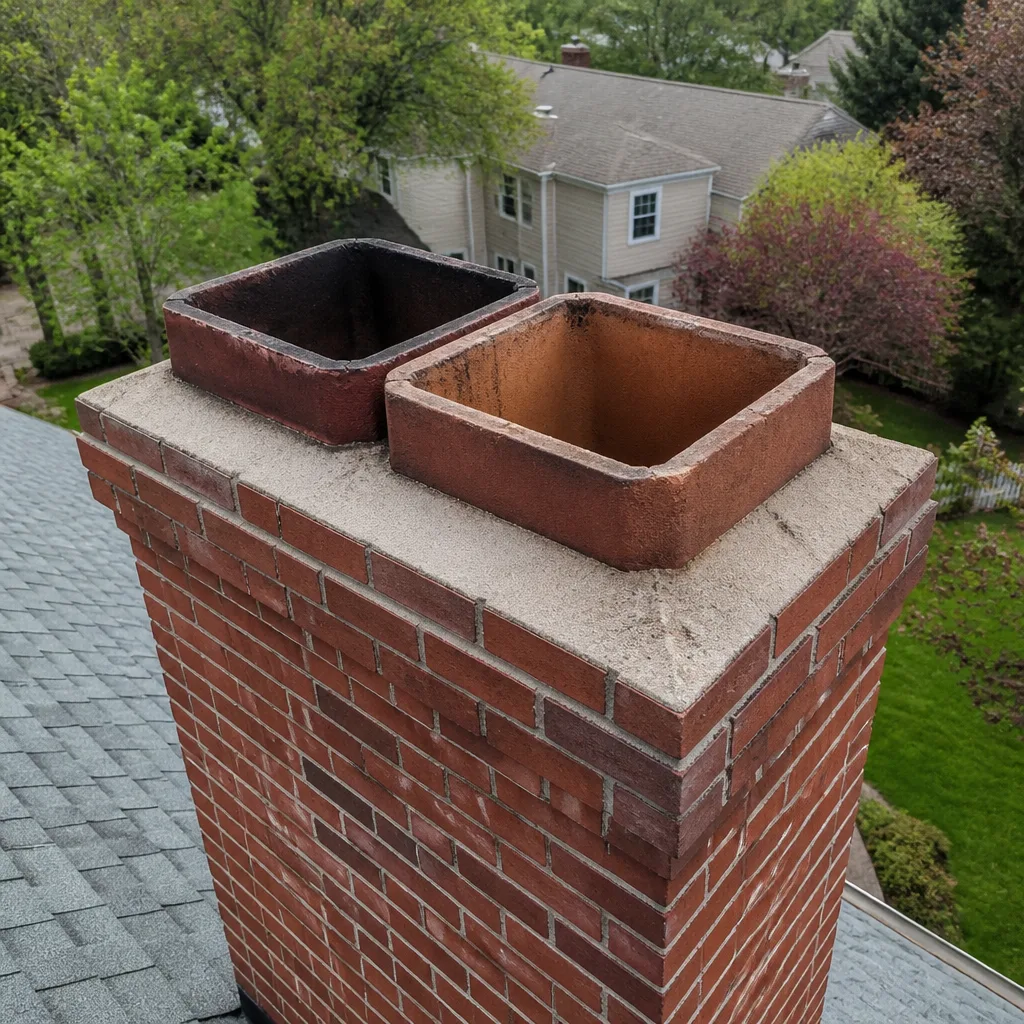 Sweep & inspection
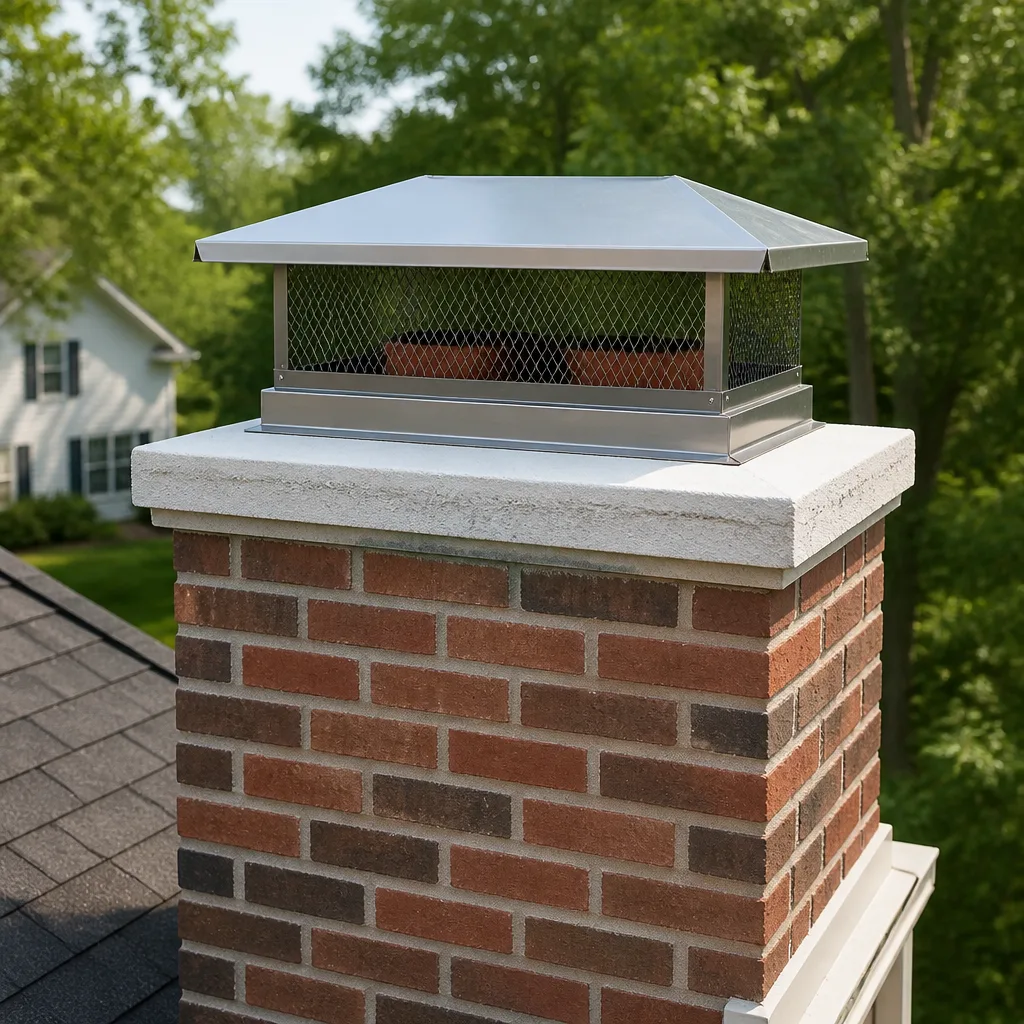 Caps & crowns
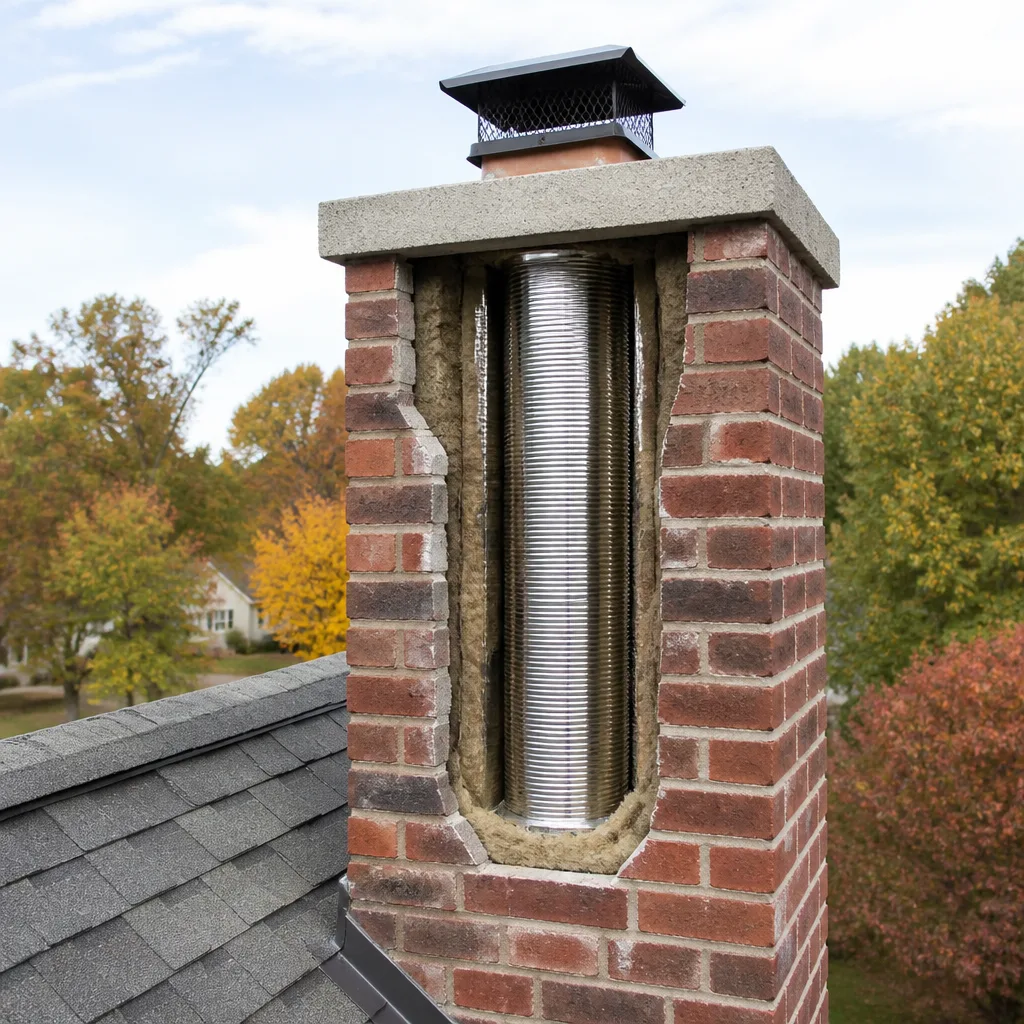 Flue relining
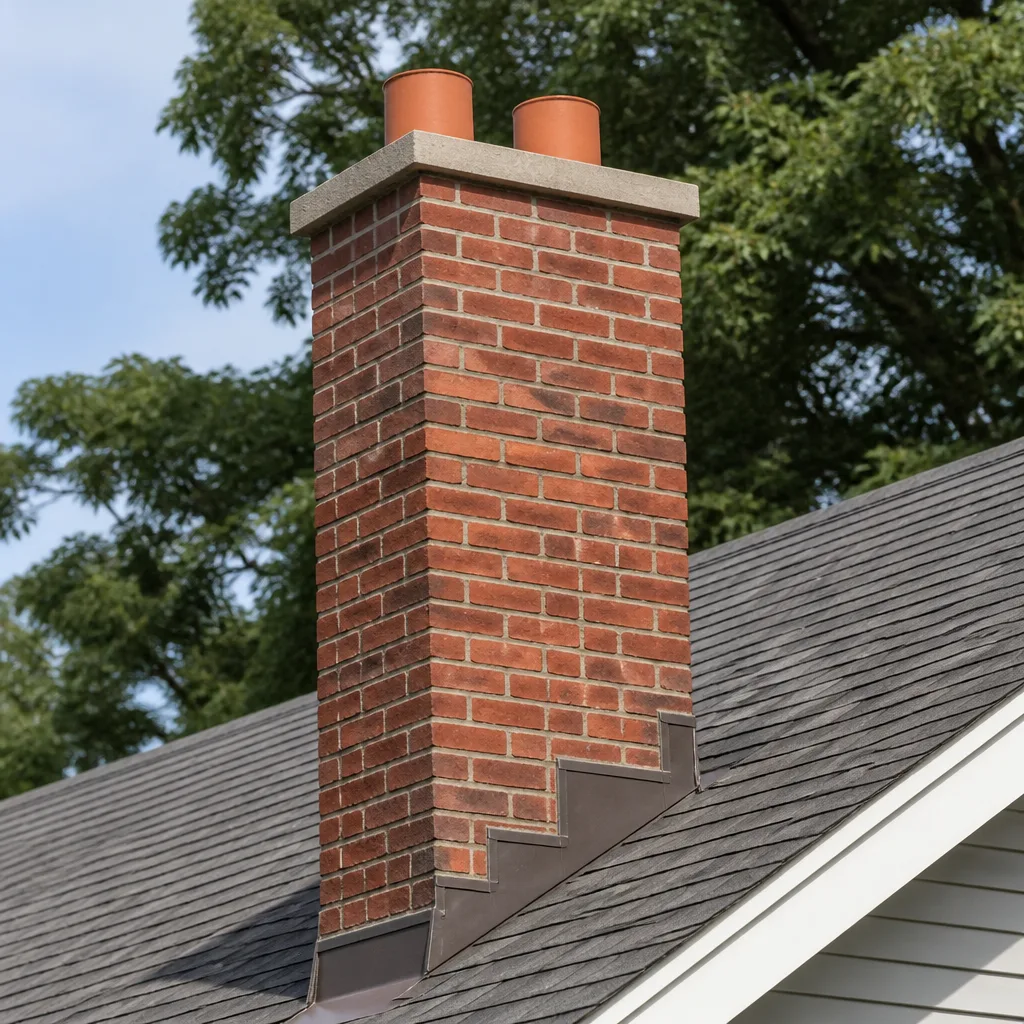 Masonry repair
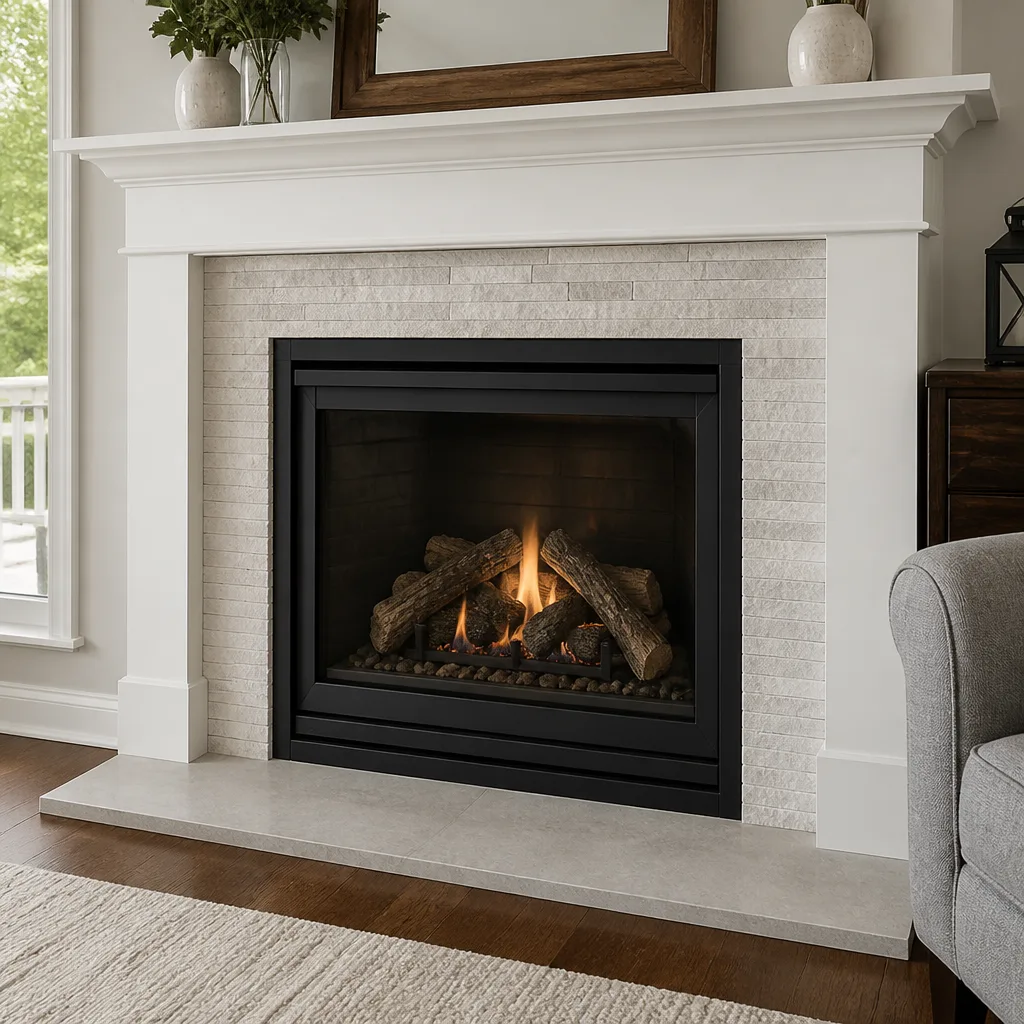 Gas fireplace service
Level 1 sweep and inspection to the NFPA 211 annual standard - flue, crown, cap, and flashing checked and photographed
Chimney sweep logs do not sweep chimneys. They loosen some creosote - which then falls where a brush and vacuum still have to collect it.
Chimney Cleaning Cost Breakdown: The Minneapolis Homeowner’s Reference for 2026
A $79 chimney cleaning special tells you exactly one thing: the price. It tells you nothing about whether a camera inspection was performed, what liner condition was assessed, or whether the technician was qualified to identify what they were looking at. In Minneapolis, cleaning quotes swing from that number to well past $400 for what sounds like the same job. The gap isn’t greed on one end or generosity on the other. It’s a different scope of work hiding behind an identical word. This guide walks through what a fair cleaning price actually covers, which add-ons are legitimate, which are upsells, and how to read a written estimate so the number on the page matches the work in the flue.
Quick Answer
Chimney cleaning in Minneapolis typically runs $150 to $300 for a standard sweep, with the final price set by a written estimate before any work begins. That range assumes a camera inspection, a creosote assessment, and a photo report are included. Chemical creosote treatment, steep-roof access, and heavy liner buildup push the estimate higher, while a quote far below $150 usually signals a narrower scope than the price suggests.
Styles & brands we work with
- Sweep & inspection
- Caps & crowns
- Flue relining
- Masonry repair
- Gas fireplace service
Table of Contents
- What a Baseline Cleaning Price Should Include
- Cost Variables Specific to Minneapolis Homes
- Why the Cheapest Quote Carries the Most Risk
- Annual Cleaning vs. Deferred Repair: The Real Cost Comparison
- How to Read a Written Estimate Line by Line
- Legitimate Add-Ons vs. Upsells
- When to Schedule and What to Expect
- Common Mistakes to Avoid
What a Baseline Cleaning Price Should Include
A baseline cleaning price should cover four things: an inspection of the full flue, the actual sweep, a creosote rating, and a written record of what was found. If any of those four items is missing from the quote, the price is not a cleaning price. It’s a partial service with the rest left to be sold later, or worse, skipped without telling you.
The full-inspection service matters more than most homeowners realize. A visual look down the flue with a flashlight is not an inspection. The standard most buyers and insurers reference at closing is NFPA 211, and a proper evaluation includes a camera run through the flue to check liner condition, joint integrity, and any offset or gap that a see-through glance would miss. We inspect before we recommend. Every time. A camera inspection and photo report are part of the cleaning visit, not a separate product.
Here’s what a fair baseline in Minneapolis should itemize:
- Inspection of the firebox, smoke chamber, damper, and full flue to the cap
- The sweep itself, with containment so no soot enters the living space
- A creosote stage rating (Stage 1, 2, or 3) written on the report
- A photo record of the flue interior you can keep
- A clear statement of any condition that needs attention, and whether it can safely wait
What a baseline does not need to include: a new cap, a full reline, a crown rebuild, or a draft diagnosis beyond noting what the camera shows. Those are separate conversations, driven by evidence you can see rather than by what a technician decides at the door. When we find Stage 3 creosote or a failed liner, the recommendation comes with a photo and a plain explanation of why it can’t wait. When the flue is clean and sound, we say so.
Cost Variables Specific to Minneapolis Homes
Minneapolis cleaning prices vary because the physical work varies. Four local factors move the number more than anything else: chimney height, roof pitch, liner access, and creosote stage. A tidy single-story house with a straight flue and a gentle roof is not the same job as a two-story-plus structure on a steep pitch with a clay flue that’s had two winters of unseasoned wood through it.
Chimney height and roof access
Many of the older homes in neighborhoods like Longfellow, Powderhorn, and the Wedge have tall chimneys set on steep-pitched roofs, often with the flue well above the roofline. The taller the chimney and the steeper the pitch, the more setup time a sweep requires. Roof access and safe staging are part of what you’re paying for, and a quote that ignores them usually means the technician plans to work from a ladder in a way that leaves the top of the flue underinspected.
Liner access on two-story and taller structures
Two-story and taller homes often hide flue offsets, transitions, and mid-flue connections that a straight run never has. A camera run through a complex flue takes longer than a clean straight shot, and the findings matter more. If the flue has an older clay tile liner with cracked joints or spalling, you’ll want to know before next winter, not after. When a liner does need replacement, the correct fix depends on the flue type and the appliance. That’s where brand specificity earns its keep: DuraFlex flexible liner systems and Copperfield stainless liners are the product class that matches commercial and high-spec residential work, and matching the right system to the flue is the difference between a repair that lasts and a repeat visit.
Creosote stage and chemical treatment
Creosote comes in three stages, and the stage drives the cost. Stage 1 is a light soot that a standard sweep removes. Stage 2 is a flaky, glazed crust that takes more time and tooling. Stage 3 is hardened, tar-like creosote that a brush alone will not remove. Stage 3 requires chemical treatment as part of the cleaning, which adds cost and time but is not optional. It’s the stage most closely tied to chimney fire risk, and skipping it to save on the quote is the single worst trade a homeowner can make. A Minneapolis winter burns a lot of wood, and a flue that’s been drafted hard with damp fuel will climb the stages faster than the homeowner expects.
What pushes a Minneapolis cleaning above $300
- Stage 3 creosote needing chemical treatment
- Steep-pitch roof access requiring additional staging
- Complex flue geometry with offsets or mid-flue connections
- Combined sweep and repair visit (a failed damper, a cracked crown, a loose cap)
If your estimate lands in the upper half of the range and lists these reasons, that’s an honest price. If it lands there with no itemization, ask why before booking.
Why the Cheapest Quote Carries the Most Risk
Minnesota does not license chimney sweeps, and that’s the fact that changes everything about shopping on price. In a licensed trade, a cheap quote still sits on top of a floor of required training, exams, and continuing education. A lowball price from a licensed electrician is cheap within a bounded system. A lowball price from an unlicensed sweep is cheap because the system isn’t there at all.
What that means in practice: the $79 cleaning is a marketing entry point, and the revenue has to come from somewhere. Sometimes it comes from an upsell decided before the technician ever saw your flue. Sometimes it comes from skipping the camera inspection, because the camera is the expensive part of the visit. Sometimes it comes from a one-page invoice with no scope, no findings, and no record you could hand to an insurer or a buyer at closing.
We’ve seen the aftermath in this market. A homeowner gets a low-price sweep in the fall, the flue passes “fine,” and by February there’s a draft problem or a smell that turns out to be a failed liner joint the camera would have flagged in September. The savings from the cheap quote get spent twice: once on the sweep, once on the repair the sweep missed.
The better question than “what’s the cheapest quote” is “what does this price include, and who is accountable for the findings?” A written estimate that names the inspection, the creosote rating, and the report is worth more than a number that names none of them, even if the number is higher. This is a technical job with real consequences, and the pricing should reflect that the person doing it is qualified to identify what they’re looking at.
The right comparison isn’t sweep price to sweep price. It’s the cost of a properly scoped cleaning against the cost of discovering, months later, that the diagnostic work was never done.
Annual Cleaning vs. Deferred Repair: The Real Cost Comparison
Annual cleaning is the cheapest line item in chimney care. The repair bills that follow a skipped season are not. The math is simple and it’s the strongest argument for staying on schedule.
Here’s how the comparison typically breaks down in Minneapolis dollars:
- Annual cleaning with inspection: $150 to $300 per year. Catches liner joint failures, crown cracks, and creosote buildup while they’re small.
- HeatShield liner restoration: A mid-range repair that resurfaced and seals a deteriorating flue without full replacement. This is the repair most homeowners never hear about, because most local sweeps can’t offer it. HeatShield ceramic resurfacing extends liner life and avoids the disruption of a full reline.
- Full liner replacement (DuraFlex or Copperfield): The most expensive repair in the trade. Usually the result of a liner that deteriorated past the point of restoration because the joint failure was never caught.
- Crown and masonry repair: Water intrusion through a cracked crown is the most common driver of masonry damage in Minneapolis homes. Caught early, it’s a repair. Caught late, it’s a rebuild.
The point isn’t that any one repair is expensive in isolation. It’s that each of them was preceded by a cheaper window where it could have been caught during a sweep. A liner that’s heading toward replacement will show joint wear and spalling on a camera before it fails. A crown that’s heading toward a rebuild will show a hairline crack before it opens up. When work can safely wait, we say so, because a recommendation without evidence is just a sales pitch. But when a camera shows a condition that won’t hold through another heating season, that’s a repair, not an upsell.
The homeowner who stays on the annual visit pays the small number and avoids the big one. The homeowner who skips it pays the small number later, plus the big one.
How to Read a Written Estimate Line by Line
A written estimate is the clearest signal of a contractor’s actual scope. Read it the way you’d read a car repair invoice: what’s included, what’s excluded, and what the price assumes. If any of the following are missing, ask before you book.
- The inspection. Is the camera inspection listed, or is it bundled in the cleaning price without being named? A named inspection line is a commitment to do it. A missing one is a commitment to skip it.
- The creosote rating. The estimate should say when the rating is determined (after inspection) and that it will be written on the report. If the cleaning price can’t be finalized until the stage is known, that’s the correct way to write it.
- Access and staging. Is roof access line-itemed, or is it buried in the total? On a steep-pitch Minneapolis home, staging is real work and a fair estimate names it.
- What’s excluded. A repair estimate should say what it does not cover. A crown repair estimate that doesn’t mention the flue is a crown estimate, not a full repair. Ask what else the camera showed.
- The photo report. Is it included? If not, the findings are verbal and unverifiable. A report you can see is the reason you can trust the recommendation.
- The written estimate itself. The price is set per job by the written estimate, not by a phone conversation. If the number you were quoted on the phone doesn’t appear on paper, the paper is the number.
Missing line items tell you what the contractor plans to do. Missing the inspection line tells you the diagnostic work isn’t part of the visit. Missing the exclusion section tells you the scope is loose. Neither is automatically dishonest, but both mean you’re shopping a narrower job than you thought. The written estimate sets the price, so it should set the scope alongside it.
One more habit worth building: ask what brand of liner or repair material the contractor works with. A contractor who can name the system and explain why it fits your flue is a contractor who’s installed it before. A contractor who names no system is a contractor who buys whatever’s on the shelf.
Legitimate Add-Ons vs. Upsells
The line between an add-on and an upsell comes down to one question: is there evidence for it? An add-on is driven by what the camera shows. An upsell is driven by what the technician wants to sell. Here’s how to tell the difference on a Minneapolis cleaning visit.
Legitimate add-ons
- Chemical creosote treatment: Required when the inspection rates Stage 3. The evidence is the rating on the report. If the technician recommends it without a rating, ask to see the flue rating in writing.
- Crown repair or seal: Justified when the camera or roof-level inspection shows cracking or water staining. Water intrusion is the leading cause of masonry failure in this climate, where freeze-thaw cycles work on every crack and gap. The evidence is the photo of the crack.
- Cap or draft component replacement: Justified when the existing cap is damaged, missing, or the wrong type for the flue. Draft caps and termination components from Famco and Gelco are part of the system, not aftermarket afterthoughts, and a proper diagnosis names the component and the reason.
- Liner restoration with HeatShield: Justified when the liner is worn but still restorable. The evidence is the camera run showing joint wear without collapse. This is a real repair option, and the alternative (full replacement) is more expensive and more disruptive.
Upsells to question
- A liner replacement recommendation with no camera footage to back it
- A “full system cleaning” that isn’t itemized and doesn’t state what was cleaned
- A cap replacement on a cap that’s clearly intact and correctly fitted
- Any repair recommended before the inspection is complete
The discipline that separates the two is simple: we inspect before we recommend. If the camera doesn’t show it, we don’t sell it. If the flue is sound, we say the flue is sound, even when a repair would be a bigger invoice. That’s the only way the recommendation means anything.
When to Schedule and What to Expect
The best time to book a cleaning in Minneapolis is before the heating season starts, not in the middle of it. Fall fills fast, and the homeowner who books ahead gets the appointment that fits their schedule rather than the one that’s left. Spring is the other good window, after the last fire and before the summer humidity settles in.
If it’s been more than a year since the last sweep, or if you’ve never had one on a home you recently bought, book before the first cold snap. A buyer’s inspection at closing flags what it can, but it doesn’t rate creosote or clean the flue. A first-winter homeowner with a new-to-them fireplace is exactly the person who should get a baseline inspection in the fall.
Here’s what a typical visit looks like:
- We set up containment around the firebox so no soot reaches the living space.
- We inspect the firebox, damper, smoke chamber, and flue to the cap, running a camera through the full length.
- We sweep, then rate the creosote stage and photograph the findings.
- We walk you through the photo report and say plainly what needs attention, what can wait, and why.
- You get the written estimate for any repair before anything is scheduled.
One crew handles diagnosis through resolution, which is the reason a second contractor doesn’t have to re-inspect what we already found. If the job calls for repair, the same team that saw the flue does the work, using the material system the flue actually calls for. That continuity is the difference between a diagnosis and a guess.
Common Mistakes to Avoid
- Booking on price alone. The lowest quote in an unlicensed market is the one most likely to skip the diagnostic work. Compare scope, not just the total.
- Skipping the camera inspection to save on the visit. The camera is the reason the cleaning protects your home. A sweep without it cleans the flue but doesn’t tell you what’s happening inside the liner.
- Treating a low quote as the final price. If the estimate doesn’t name the inspection, the creosote rating, or the photo report, the final price will differ from the quote once those get added.
- Putting off a Stage 3 creosote cleaning. Glazed creosote is the stage tied most directly to chimney fire risk, and it doesn’t resolve on its own. Chemical treatment is the fix, and it’s cheapest when it’s caught early.
- Ignoring a cracked crown through a Minneapolis winter. Freeze-thaw cycles turn a hairline crack into masonry damage. Water intrusion is the slow, expensive failure that a fall inspection catches.
- Shopping a full reline without asking about restoration first. HeatShield resurfacing can extend liner life without replacement on a flue that’s still restorable. Not every sweep offers it, and it’s worth asking.
- Accepting a repair recommendation with no evidence. If you can’t see the photo or the camera footage, you can’t verify the recommendation. Ask for it, and if it’s not available, get a second opinion.
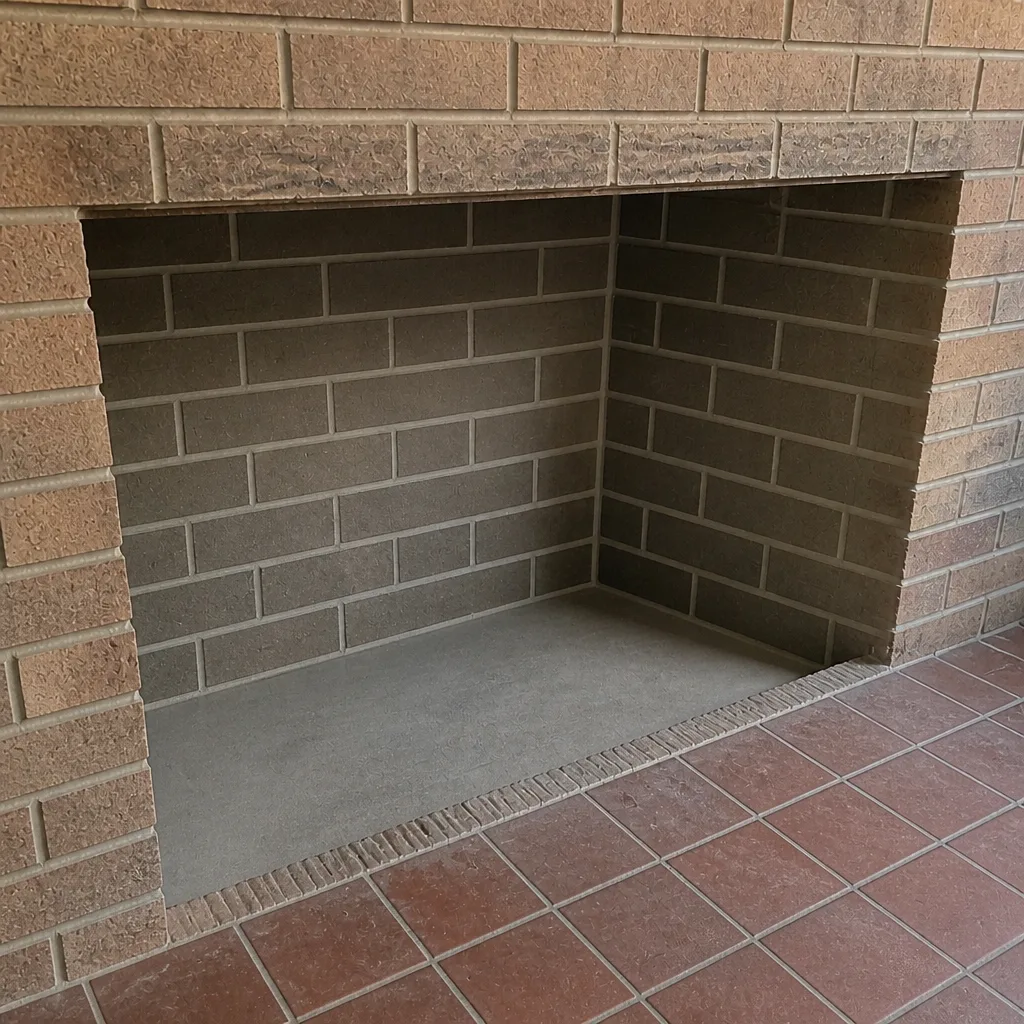
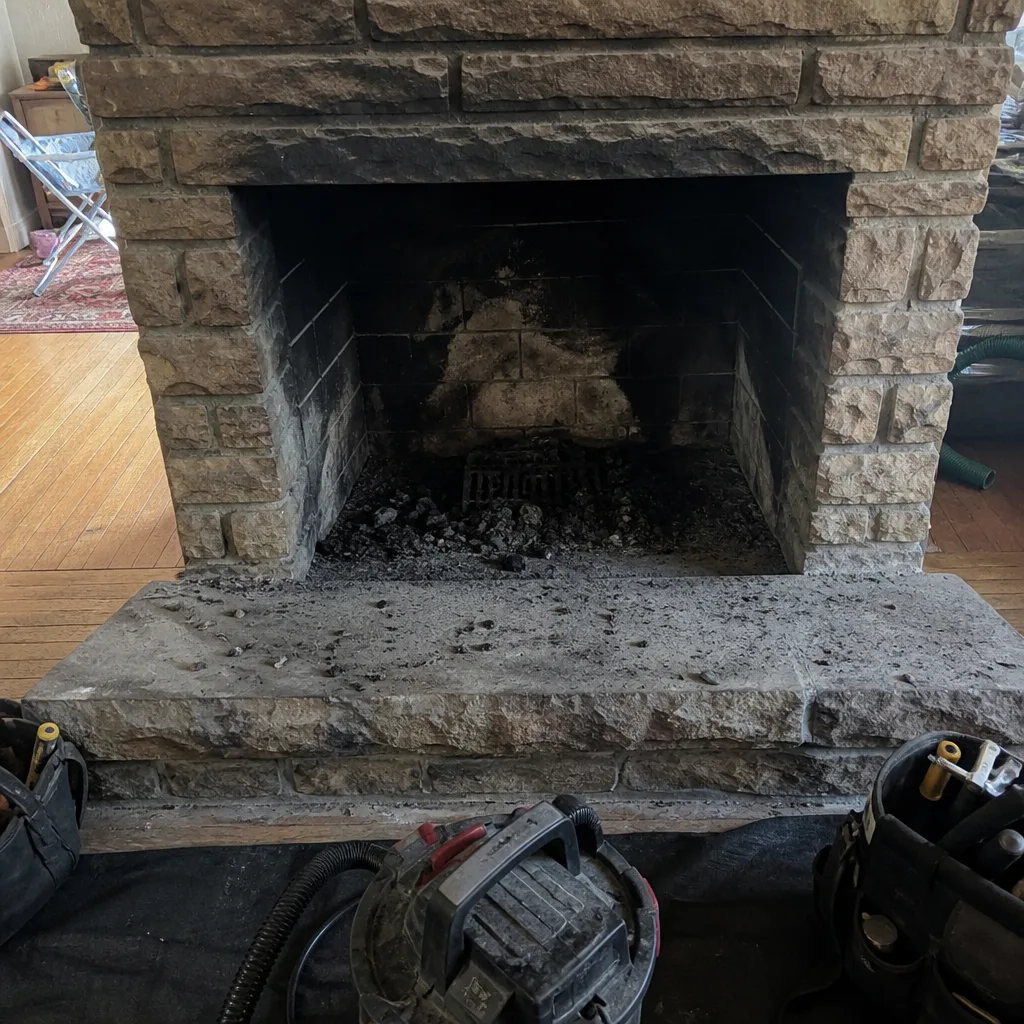
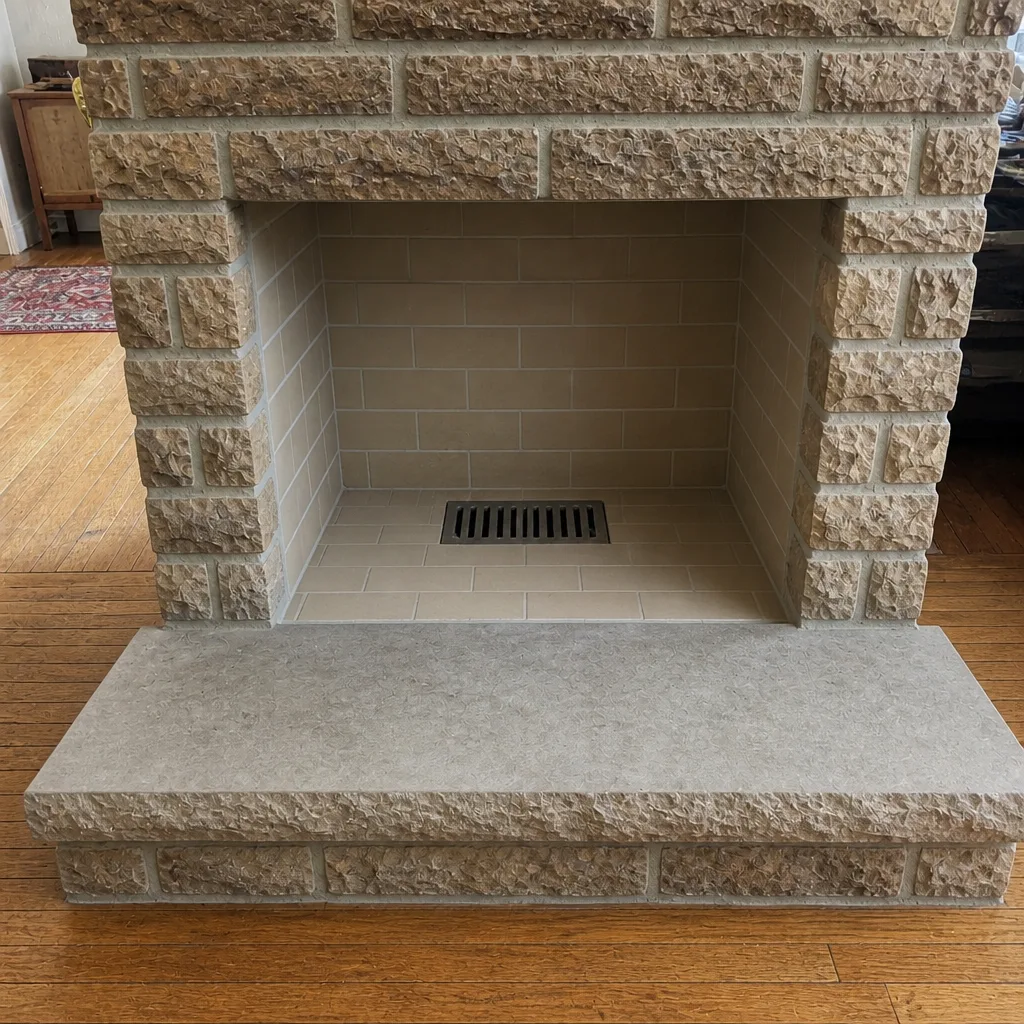
See the difference
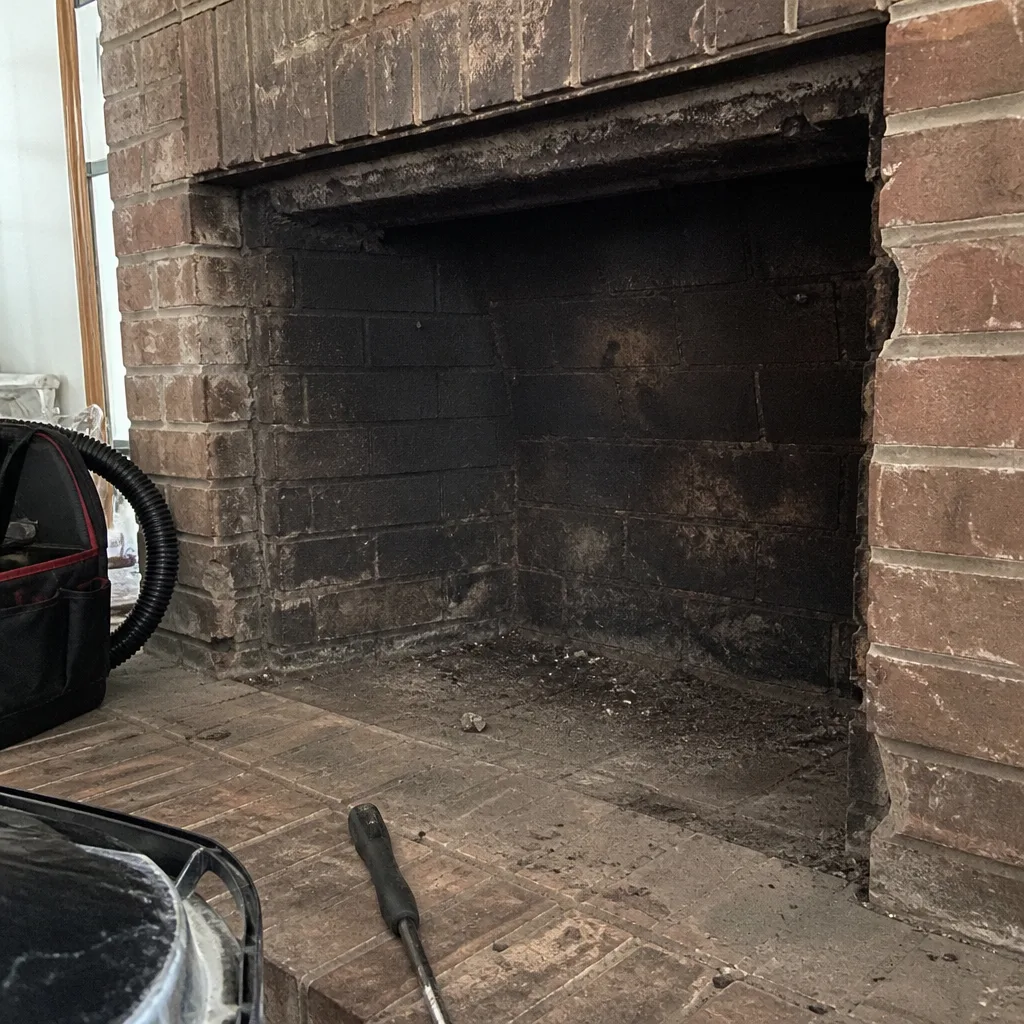 Before
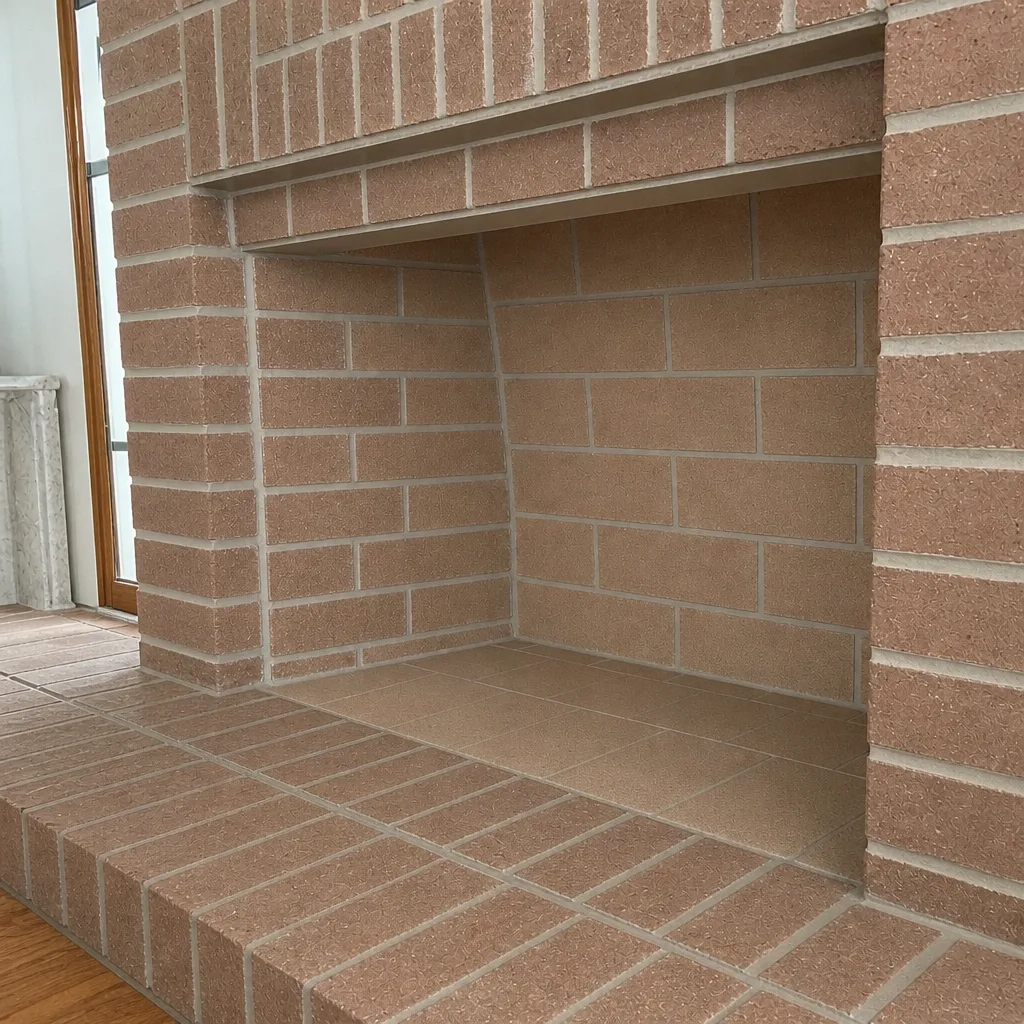 After
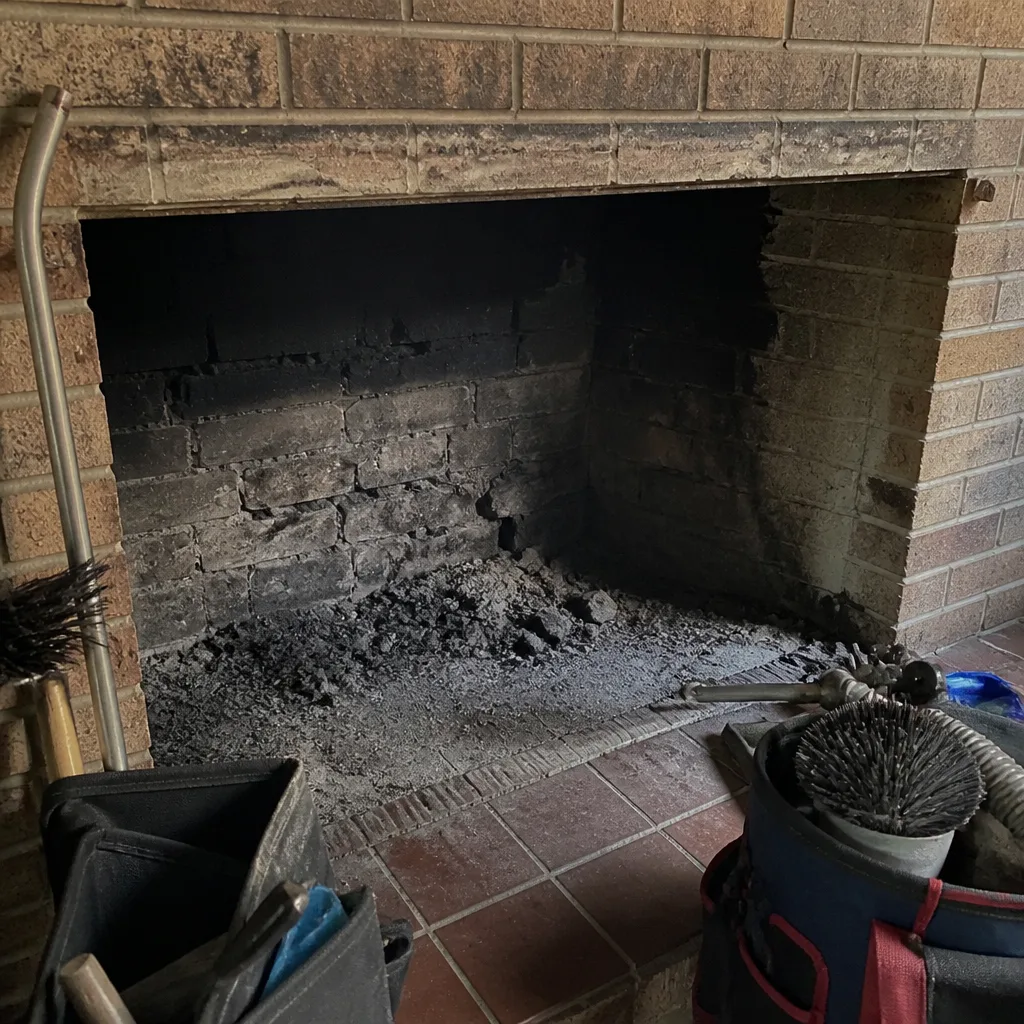 Before
 After
 Before
 After
When to Call a Professional
Call a professional when it’s been more than a year since the last sweep, when you’ve just bought a home with a wood-burning or gas fireplace, or when you’ve noticed a smell, a draft, or visible deterioration in the firebox or at the roofline. Call when a home inspection flagged the chimney, or when a buyer’s insurer wants documentation at closing. Call before the first heating season in a new-to-you home, not after. And call if a previous quote recommended thousands of dollars of liner or masonry work you had no way to verify; we’ll show you the camera findings so you can see the condition for yourself. Northwind Chimney Sweep offers free estimates in Minneapolis. Call (844) 834-2087. We answer 24/7. Fast dispatch from 7am to 7pm, Sunday through Friday.
Frequently Asked Questions
A standard chimney cleaning in Minneapolis typically runs $150 to $300, including a camera inspection, a creosote rating, and a photo report. The final price is set per job by the written estimate, which you see before any work begins. Chemical treatment for Stage 3 creosote or steep-roof access pushes the estimate higher. Call (844) 834-2087 for an exact quote; estimates are free.
You need a new liner when the camera shows joint failure, spalling, or deterioration past the point of restoration, and not before. A recommendation without camera evidence is a recommendation you can’t verify, and you should ask to see the flue before agreeing to anything. Sometimes a restorable liner can be treated with HeatShield ceramic resurfacing instead of replaced, which is a smaller job with less disruption. Call (844) 834-2087 and we’ll show you what the camera finds.
A chimney should be swept once a year for most wood-burning fireplaces, and more often if you burn heavily or notice creosote buildup on a mid-season check. Gas fireplaces need less frequent cleaning but still need an annual inspection to confirm venting and liner condition. The annual visit is also the point where liner wear, crown cracks, and cap damage get caught while they’re small. Call (844) 834-2087 to book an inspection before the heating season.
If you skip the cleaning, creosote accumulates and climbs toward Stage 3, where the risk of a chimney fire rises and the cleaning becomes more expensive to do properly. Small liner and crown issues that a sweep would catch go unaddressed through another freeze-thaw season and turn into repairs instead of maintenance. It’s not a scare tactic; it’s the predictable sequence. Call (844) 834-2087 for a free estimate and we’ll tell you plainly whether the flue can safely wait.
The cheapest quote often costs more because Minnesota doesn’t license chimney sweeps, so a low price has no floor of required training under it, and the revenue has to come from somewhere else. That usually means a skipped camera inspection or an upsell decided before the flue was seen. The low price plus the repair the cheap sweep missed usually exceeds what a properly scoped cleaning would have cost. Call (844) 834-2087 for a written estimate that names the scope.
A written chimney estimate should include the camera inspection, the creosote rating and photo report, roof access and staging where needed, and a clear exclusion section for any repair. It should also name the material system if a liner or cap repair is proposed, so you know what’s being installed and why it fits the flue. The written estimate sets the final price. Call (844) 834-2087 for an estimate you can read line by line.
The Bottom Line
Chimney cleaning in Minneapolis costs what it costs because the diagnostic work is the service. The $79 special is a price, not a scope, and in a state with no sweep licensing the gap between a cheap quote and a properly scoped one is where the risk lives. A fair estimate names the inspection, the creosote rating, the photo report, and the material system, and it separates what needs doing now from what can wait. The annual visit is the cheapest line in chimney care. The deferred repair is the most expensive one. None of it is a sales pitch if you can see the evidence yourself. If you’re ready to know what’s actually going on in your flue, call Northwind Chimney Sweep at (844) 834-2087 for a free estimate. We answer 24/7. Fast dispatch from 7am to 7pm, Sunday through Friday. Sweep, repair, and inspection, handled by one crew from first look to final photo.
Written by the team at Northwind Chimney Sweep.