
Last updated November 15, 2026
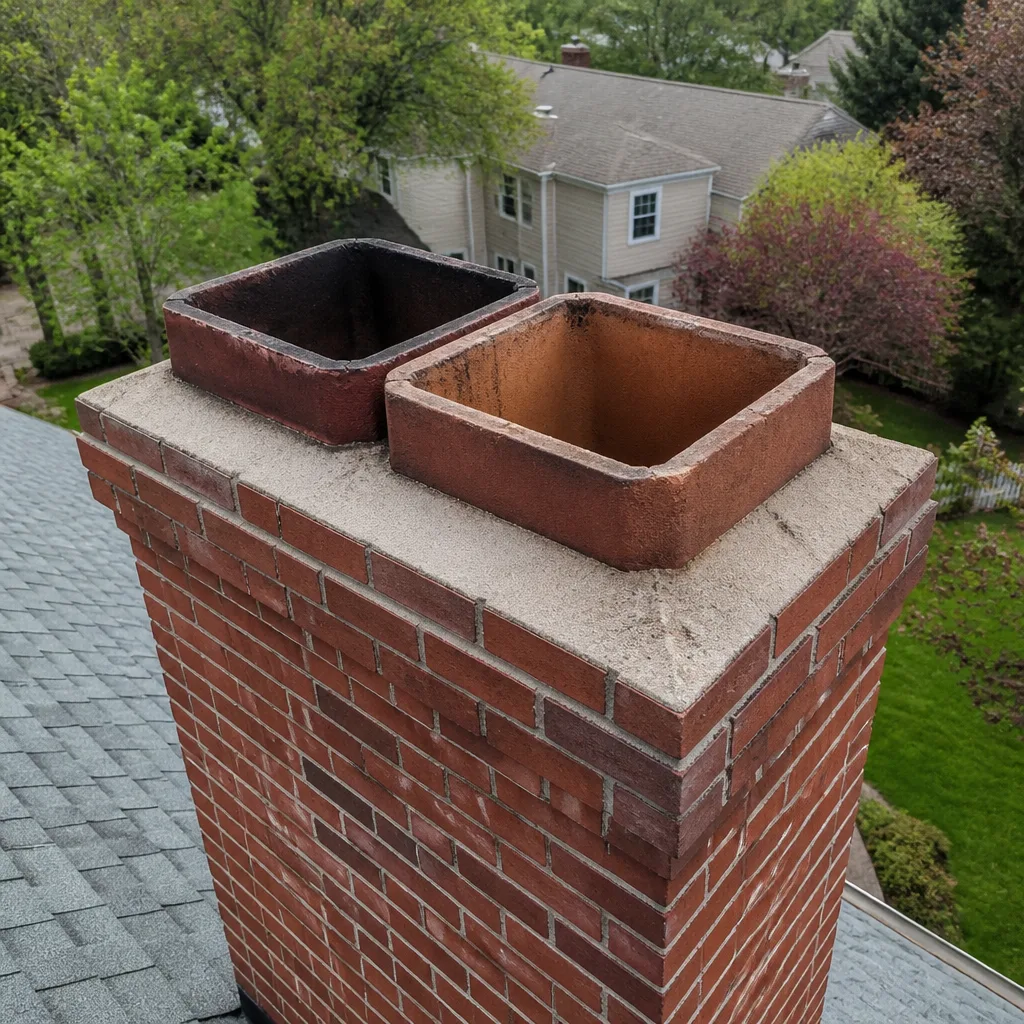 Sweep & inspection
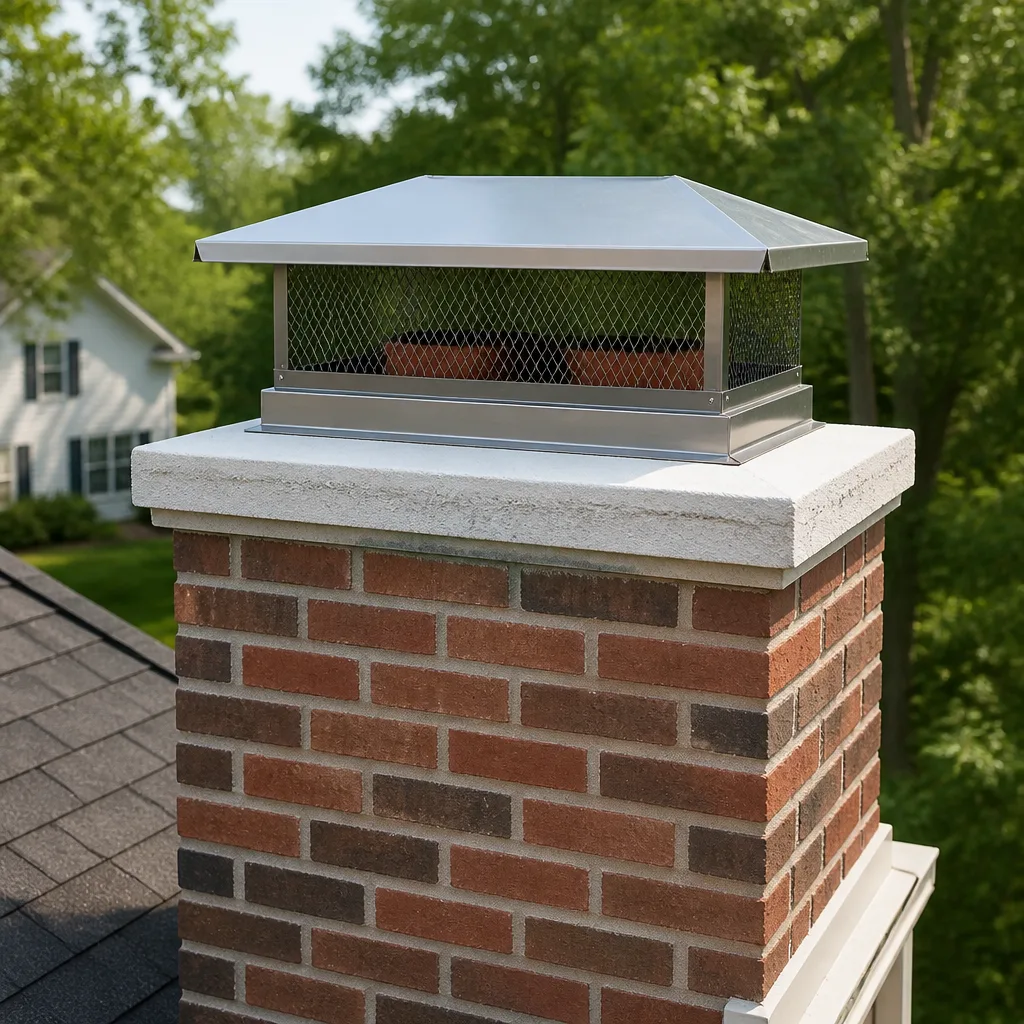 Caps & crowns
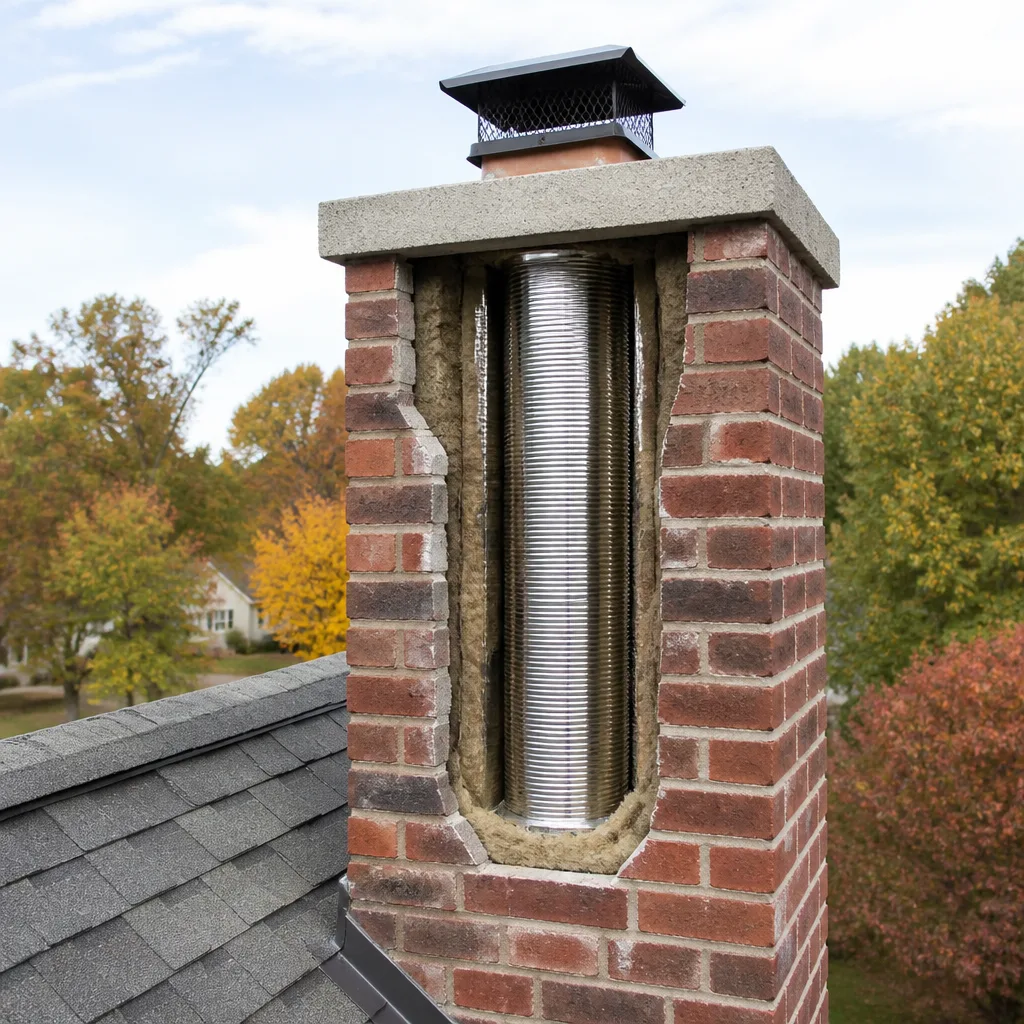 Flue relining
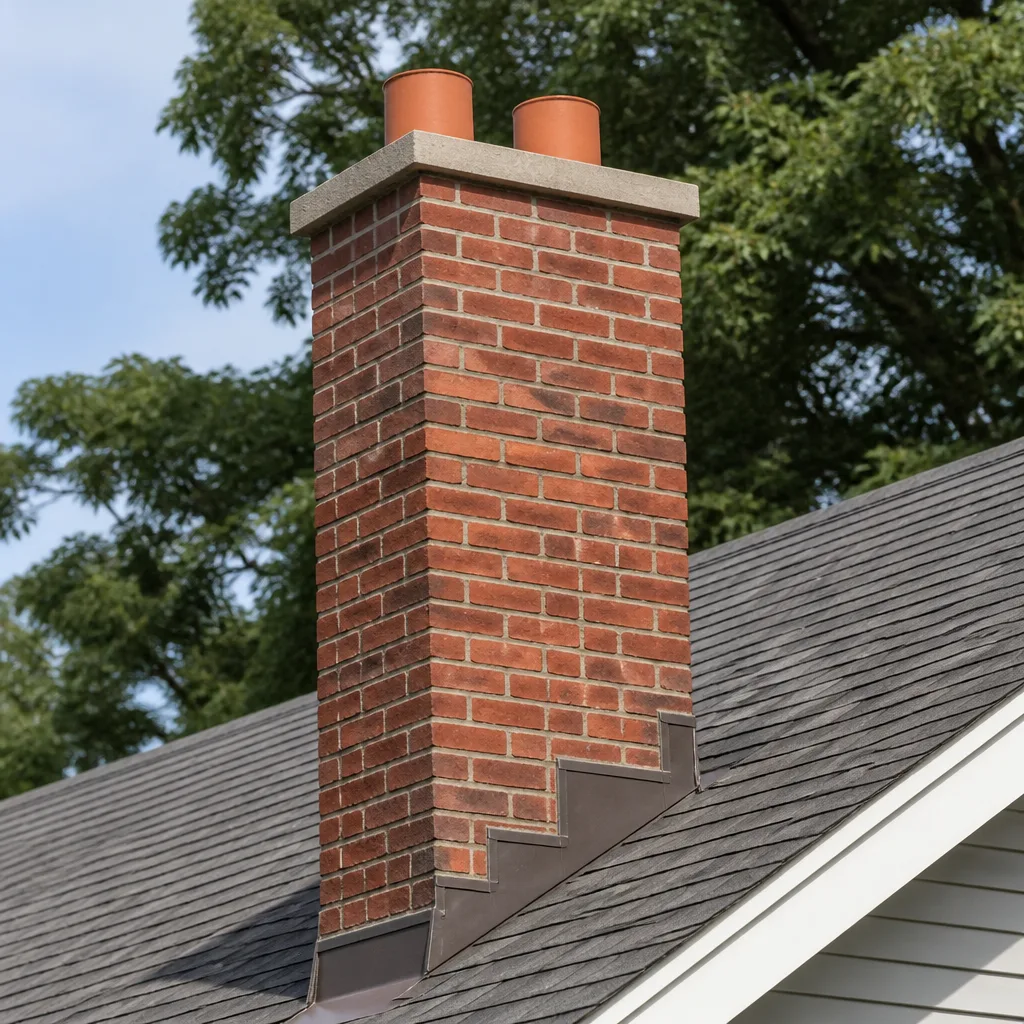 Masonry repair
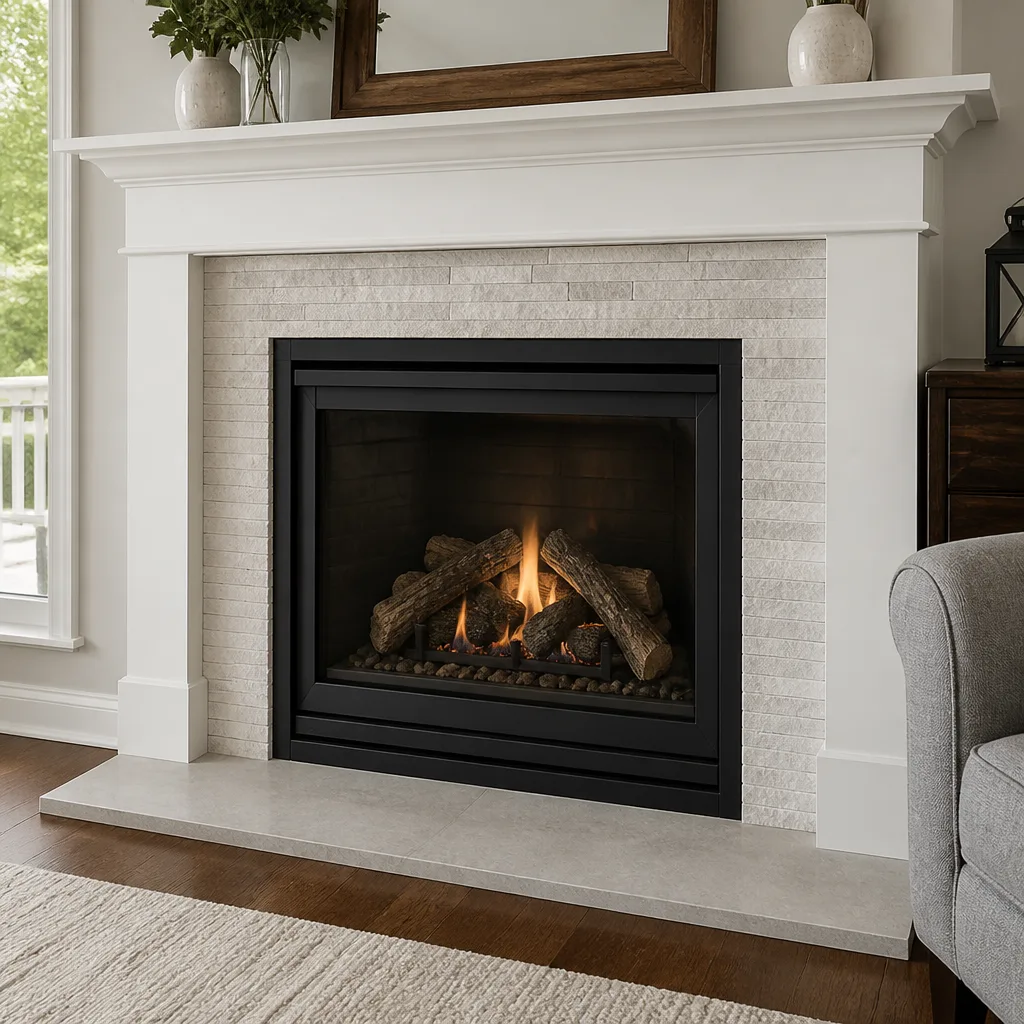 Gas fireplace service
Level 1 sweep and inspection to the NFPA 211 annual standard - flue, crown, cap, and flashing checked and photographed
Chimney sweep logs do not sweep chimneys. They loosen some creosote - which then falls where a brush and vacuum still have to collect it.
Chimney Cleaning Warning Signs: A Minneapolis Homeowner’s Reference Guide
Most articles about chimney problems describe warning signs as dramatic: flames roaring out the top, a chimney collapsing, sirens in the street. In our experience across Minneapolis, the signals that actually come before a house fire or a carbon monoxide incident are quieter than that. A faint smoke smell in a room with no fire burning. A fire that takes longer to catch than it used to. White chalky stains on brick that get written off as old-house character. None of these look urgent, which is exactly what makes them dangerous: they’re easy to rationalize, easy to postpone, and easy to forget by spring. This guide separates the signs that mean “watch this” from the signs that mean “stop using the fireplace now,” and it covers the Minneapolis-specific conditions – hard freeze-thaw cycles, older masonry stock, high-efficiency furnace retrofits – that shape how these problems actually show up here.
Quick Answer
The main chimney cleaning warning signs in Minneapolis are smoke spilling into the room, a persistent smoky or creosote smell with no fire burning, slow-starting or poorly drafting fires, white staining or spalling brick on the exterior, visible mortar gaps, and frost or condensation patterns that don’t dry. Performance signs (smoke, draft, odor) usually point to a blockage, a cracked flue tile, or a draft problem; structural signs (staining, spalling, gaps) usually point to water intrusion or a failing liner. Some signs give you months to act. Others mean shut the flue down immediately and leave it closed until a professional inspects it.
Styles & brands we work with
- Sweep & inspection
- Caps & crowns
- Flue relining
- Masonry repair
- Gas fireplace service
Table of Contents
- Performance Signs vs. Structural Signs: Why the Difference Matters
- Smoke Spillage and Smell With No Fire: What It’s Telling You
- Slow-Starting Fires and Poor Draft: The Most-Overlooked Signal
- White Staining, Spalling Brick, and Mortar Gaps
- Condensation and Frost on the Chimney Face: Not Cosmetic
- High-Efficiency Furnace and Water Heater Venting Through Masonry
- The Timeline Problem: Months to Act vs. Shut It Down Now
- What to Tell the Sweep When You Call
Performance Signs vs. Structural Signs: Why the Difference Matters
The single most useful distinction a Minneapolis homeowner can make is between a performance sign and a structural sign. Performance signs show up while the chimney is in use: smoke rolling out of the firebox instead of up the flue, a fire that struggles to catch, a smoky smell that lingers after the fire is out. They’re telling you the chimney isn’t moving air the way it should. Structural signs show up when the chimney is idle: staining on the brick, mortar crumbling out of the joints, a cap that’s rusted through, frost that clings to the exterior face for days after everything else has dried.
The reason the difference matters is diagnostic. Performance signs usually trace back to one of four things: a flue blocked by creosote, soot, or a nest; a cracked or broken flue tile; a draft problem caused by negative pressure in the house; or a termination that’s wrong for the appliance. Structural signs usually trace back to water: a failing crown, a bad flashing seal at the roofline, or a liner that’s been degrading long enough to let moisture into the masonry.
- Performance signs appear during use and often worsen over a season. They’re the earliest indicator that the flue is not flowing cleanly.
- Structural signs appear between uses and often develop slowly, over years. They’re the indicator that the chimney envelope is failing.
- Both at once is the pattern that most often precedes a real problem, because a liner that’s been compromised by moisture also stops drafting cleanly.
When we inspect a Minneapolis chimney, the first question we ask is which category the homeowner has noticed. That answer often tells us more before we get on the roof than a visual scan of the firebox does.
Smoke Spillage and Smell With No Fire: What It’s Telling You
A strong smoke smell in a room with no fire burning is not a quirk of old-house character. It’s a draft failure signal, and it can indicate a cracked flue tile or a blocked liner – two conditions that are one fire away from becoming an emergency. Smoke that spills into the room while a fire is burning is the visible version of the same problem. If you can smell smoke in a room where nothing is burning, the flue is either backdrafting air from the house down into the firebox or leaking through a breach in the liner into the house itself.
Minneapolis homes on the older side of the city, including the stock around Powderhorn and Longfellow, frequently have interior masonry chimneys that were built for a single wood-burning appliance. When the house gets tightened up – new windows, added insulation, a sealed attic hatch – the chimney can lose the air supply it was counting on. The result is negative pressure in the room, and the flue pulls air down instead of pushing smoke up. That’s a house-performance problem as much as a chimney problem, and it’s one reason a sweep should look at the whole picture and not just the flue.
What to check before you call
- Open a window a crack in the same room as the fireplace and see if the smell or the spillage improves. If it does, you’re looking at a pressure or air-supply issue, and that’s useful information to pass along.
- Check the damper. A damper that’s stuck partway closed will cause spillage that looks exactly like a blockage.
- Look at the top of the firebox and the smoke chamber for soot streaks running down the face. Soot on the face of the firebox means smoke is coming back into the room, not leaving through the flue.
- Note whether the smell is worse on cold days, windy days, or calm days. The pattern helps the technician narrow the cause.
What we don’t recommend is running a fire to “see if it clears up.” A flue with a cracked tile or a heavy creosote load is the wrong place to test a theory. Shut the damper, keep the firebox empty, and have it looked at.
Slow-Starting Fires and Poor Draft: The Most-Overlooked Signal
A fire that used to catch quickly and now doesn’t is one of the most-overlooked chimney warning signs in Minneapolis, because it develops so gradually that homeowners adjust to it without noticing. They build a bigger starter, use more kindling, crack a window, and after a season they’ve built a routine around a chimney that’s quietly failing. A properly swept flue with correct draft should light off with normal kindling and paper. If it takes more than that, something has changed inside the flue or in the house’s air balance.
The usual causes, in rough order of frequency:
- Creosote buildup narrowing the flue opening. Even a moderate glaze of creosote reduces the flue’s effective diameter and changes draft.
- A partial blockage from soot, a bird nest, a collapsed piece of tile, or a rusted-out cap that’s let debris in.
- A cracked flue tile letting air in at the wrong place in the stack, which disrupts the draft pattern.
- House pressure changes from weatherization, a new bath fan, a kitchen hood vented outside, or a furnace that’s pulling combustion air from the same space.
- Wet wood, which is not a chimney problem but reads like one. Seasoned, dry hardwood behaves very differently in a firebox than wood that’s been sitting outside through a Minneapolis winter.
Our technicians have up to 12 years of experience, and one of the things that experience teaches is not to guess between those causes from the ground. A camera inspection of the flue settles it, and it also gives the homeowner photographic evidence of whatever condition is found, so the recommendation is based on something they can see rather than on a technician’s word. That’s the standard we hold every chimney sweep to: inspect before recommending, and show the evidence.
White Staining, Spalling Brick, and Mortar Gaps
White, chalky staining on the exterior of a brick chimney is usually efflorescence, and it’s a moisture signal, not a cosmetic one. Efflorescence is salt drawn out of the brick by water passing through it. The water gets in through a failed crown, a bad flashing seal, a missing cap, or a liner that’s letting moisture condense inside the stack. When the water evaporates out through the brick face, it leaves the white deposits on the surface. Seeing them is like seeing a watermark on a ceiling: the visible residue is the last step in a longer process.
Spalling brick – brick faces flaking off or popping loose – is the next stage. Water inside the brick freezes, expands, and pushes the face off. In a Minneapolis climate with hard freeze-thaw cycles from late fall through early spring, that process runs fast. A chimney that would take a decade to spall in a mild climate can show real damage in three or four winters here. And once brick faces are gone, they don’t come back; the repair becomes a masonry job, not a cleaning job.
What to look for from the ground
- White staining on the chimney face, especially concentrated toward the top or at joints.
- Flaking or missing brick faces, or grit on the roof below the chimney.
- Mortar joints that are recessed well behind the brick face, crumbling, or missing in patches.
- A crown that’s cracked, separated from the chimney body, or holding a puddle of water.
- Rusted or missing cap and spark arrestor, which lets rain straight into the flue.
Any of these is reason for a chimney repair evaluation, not just a cleaning. We see crowns and flashing seals fail more often than people expect on Minneapolis roofs, and both are far cheaper to repair early than to fix after a freeze-thaw season or two has done its work on the brick behind them.
Condensation and Frost on the Chimney Face: Not Cosmetic
Condensation or frost on the exterior face of the chimney that lingers after the rest of the roof and siding have dried is a signal homeowners routinely misread as normal. It’s not. A chimney that holds moisture on its face is a chimney that isn’t drying, and a chimney that isn’t drying is a chimney with a moisture source on the inside or top that isn’t getting fixed by the weather. In Minneapolis, that pattern is most visible on the north and east faces of a south-set house, where the sun doesn’t hit the chimney directly through the winter. Frost that clings for days while nearby surfaces are clear is the giveaway.
The moisture source is usually one of four things:
- A missing or undersized cap. Rain goes straight down the flue, soaks the top of the stack, and migrates into the brick from above.
- A failed crown. The crown is the concrete cap at the very top; cracks in it route water into the chimney body.
- Failed flashing at the roof joint. The metal flashing that seals the chimney to the roof is a common and often-overlooked leak point.
- Condensation inside the flue itself. This is the one that surprises homeowners, and it becomes far more common when a high-efficiency appliance shares the chimney. More on that below.
Moisture problems compound. Wet masonry spalls. A wet liner deteriorates faster than a dry one. And a wet flue deposits creosote differently than a dry one, which affects both cleanability and fire risk. Fixing the moisture source is the first job; the cleaning or repair follows.
High-Efficiency Furnace and Water Heater Venting Through Masonry
A situation we see often in older Minneapolis homes: the original chimney was built for a wood-burning fireplace, and at some point a high-efficiency furnace or water heater was retrofitted to vent into it. That retrofit is common, and it changes the chimney’s behavior in ways many homeowners never hear about. A high-efficiency furnace produces cooler, wetter exhaust than a wood fire. When that exhaust goes into a masonry flue sized for a fireplace, the flue runs too cold to draft properly and too damp to dry out.
The result is a specific set of warning signs that don’t look like classic chimney problems:
- White staining concentrated near the top of the chimney, often appearing within a season or two of the appliance being connected.
- Moisture running down the inside of the flue and showing up as staining or deterioration at the firebox or thimble connection.
- Deteriorating mortar in the upper courses of the stack before the lower courses show any problem.
- A metallic or flue-gas smell near the chimney or the appliance connection point.
- Backdrafting or spillage at the appliance, which can become a carbon monoxide concern.
This is why product familiarity matters on the venting side, not just the liner side. Products like Famco and Gelco caps and vent terminations exist to give a high-efficiency appliance the right top-of-stack hardware for its exhaust, and Olympia Chimney’s flexible liner systems are designed for the relining work that often follows when a masonry flue can’t safely serve a modern appliance. The right answer is rarely “keep venting it as is.” It’s usually a properly sized liner or a dedicated vent, and the inspection tells you which.
Carbon monoxide: the reason this matters more than the staining
An appliance venting into an undersized or blocked flue can spill combustion gases into the house instead of pushing them up and out. That’s a carbon monoxide risk, and it’s the most serious version of everything this guide covers. If you have a CO alarm that has ever gone off near a vented appliance, or if you smell flue gas in the house, stop using the appliance and have the whole venting arrangement inspected before it’s run again. We don’t say that to alarm anyone. We say it because a properly vented flue is the difference between a functioning system and a hazard, and the inspection is how you find out which one you have.
The Timeline Problem: Months to Act vs. Shut It Down Now
Not every warning sign carries the same urgency, and one of the most useful things a homeowner can have is a clear sense of which category a sign falls into. Some signs give you months to schedule work. Others mean the flue should be shut down immediately and left closed until a professional has inspected it. Sorting them correctly is the difference between a planned repair and a real emergency.
Shut the flue down now
- Smoke or flue gas smell in the house with no fire burning. This is a breach or draft failure, and it’s a combustion gas pathway into the living space.
- A CO alarm going off near a vented appliance. Stop using the appliance and ventilate the house.
- Visible damage to the flue or firebox interior. If you can see damaged tile, missing mortar, or a breach in the firebox, don’t burn in it.
- Flames rolling out of the firebox opening, or a fire that won’t draw at all. Stop, open a window, let it go out, and have it inspected.
- Debris or an animal in the flue. A blocked flue with a fire below it is the worst-case scenario.
Schedule within the season
- Slow-starting fires, mild spillage on cold starts, and occasional smoke smell that clears when the fire gets going.
- White staining or efflorescence on the exterior with no visible spalling yet.
- A crown that’s starting to crack, or flashing that’s pulled away slightly.
- Frost or condensation patterns that suggest a moisture source without active interior damage.
Get on the calendar this year
- A chimney that hasn’t been cleaned in over a season of regular burning, with no performance signs yet.
- A newly purchased home where the previous owner’s maintenance history isn’t known.
- Any change in venting, a new appliance, or a recent remodel that affected house pressure.
If you’re not sure which category a sign falls into, that’s a question for a phone call, not a judgment call. Call (844) 834-2087. We answer 24/7. Fast dispatch from 7am to 7pm, Sunday through Friday. Estimates are free, and the written estimate sets the final price.
What to Tell the Sweep When You Call
The information you give when you book the visit is often what lets a technician pre-diagnose before arriving. The more specific the observations, the faster the visit goes and the more likely the right parts and the right inspection scope are lined up in advance. A vague “chimney’s not working right” leads to a full diagnostic visit; “smoke smell in the living room on cold mornings with no fire, and white staining on the north face” leads to a focused one.
Specific observational language that helps
- What you noticed, in plain terms. “Smoke smell with no fire,” “fires take forever to catch,” “smoke puffs into the room when I open the damper.” Those phrases map to specific causes and tell the technician what to look at first.
- When it happens. Cold days, windy days, calm days, first light of a fire, mid-burn, after the fire is out. The pattern narrows the cause more than any single observation.
- Where it shows up. Room with the fireplace, second floor, basement near the venting, outside on the chimney face. Location matters.
- What changed recently. A new furnace, new windows, added insulation, a remodel, a new roof, a different wood supply. Any of these can shift the system.
- What you can see. White staining, missing brick faces, mortar gaps, a cracked crown, a rusted cap, frost that lingers. Photos taken from the ground help.
- Whether the flue has been used since the sign appeared. If not, say so. That’s useful information on its own.
- Whether you have a CO alarm near the appliance or the fireplace. We want to know it’s there and whether it’s ever gone off.
None of that is a substitute for the inspection. It’s what makes the inspection more efficient and more likely to land on the right answer the first time. When we recommend a liner or masonry work, it comes with camera evidence and a photo report, so the homeowner can see the condition rather than take a technician’s word for it. And we’ll say plainly when a repair can wait. Not every recommendation needs to happen today, and a homeowner who trusts the recommendation is better off than one who was sold work they couldn’t verify.
Common Mistakes to Avoid
- Treating smoke smell as normal old-house character. A house that smells smoky with no fire burning doesn’t have character; it has a draft or liner problem. It’s one of the clearest warning signs a Minneapolis chimney can give you.
- Assuming frost and condensation are cosmetic. Moisture on a chimney face that doesn’t dry when everything around it does points to a real leak source or liner issue. Left alone through a freeze-thaw season, it turns into masonry damage.
- Burning through a blockage to clear it. Debris in the flue doesn’t burn out; it backs smoke and gas into the house and, in the worst case, ignites creosote above it. Shut the flue down and have it looked at.
- Skipping the inspection because the cleaning was scheduled. A cleaning tells you the flue is clear. An inspection tells you whether the tile, the cap, the crown, and the venting are sound. The two are different jobs, and a chimney that’s cleaned but never inspected can be quietly failing.
- Assuming a general handyman can handle chimney repair. Liner systems, crown repairs, and venting corrections need product knowledge and the right materials. Products like HeatShield ceramic resurfacing exist because a proper repair is a system repair, not a patch. A homeowner who hires for the cheaper bid often pays for the job twice.
- Ignoring the high-efficiency appliance sharing the chimney. A furnace or water heater vented into a fireplace flue is a common Minneapolis situation and a frequent source of the moisture and draft problems this guide describes. It needs to be part of the inspection, not an afterthought.
- Waiting until fall. The month before heating season is when every sweep in Minneapolis is booked solid. Late spring and summer are the easiest times to get a sweep and inspection scheduled, and a problem found in July is a problem you have time to fix before you need the fireplace.
See the difference
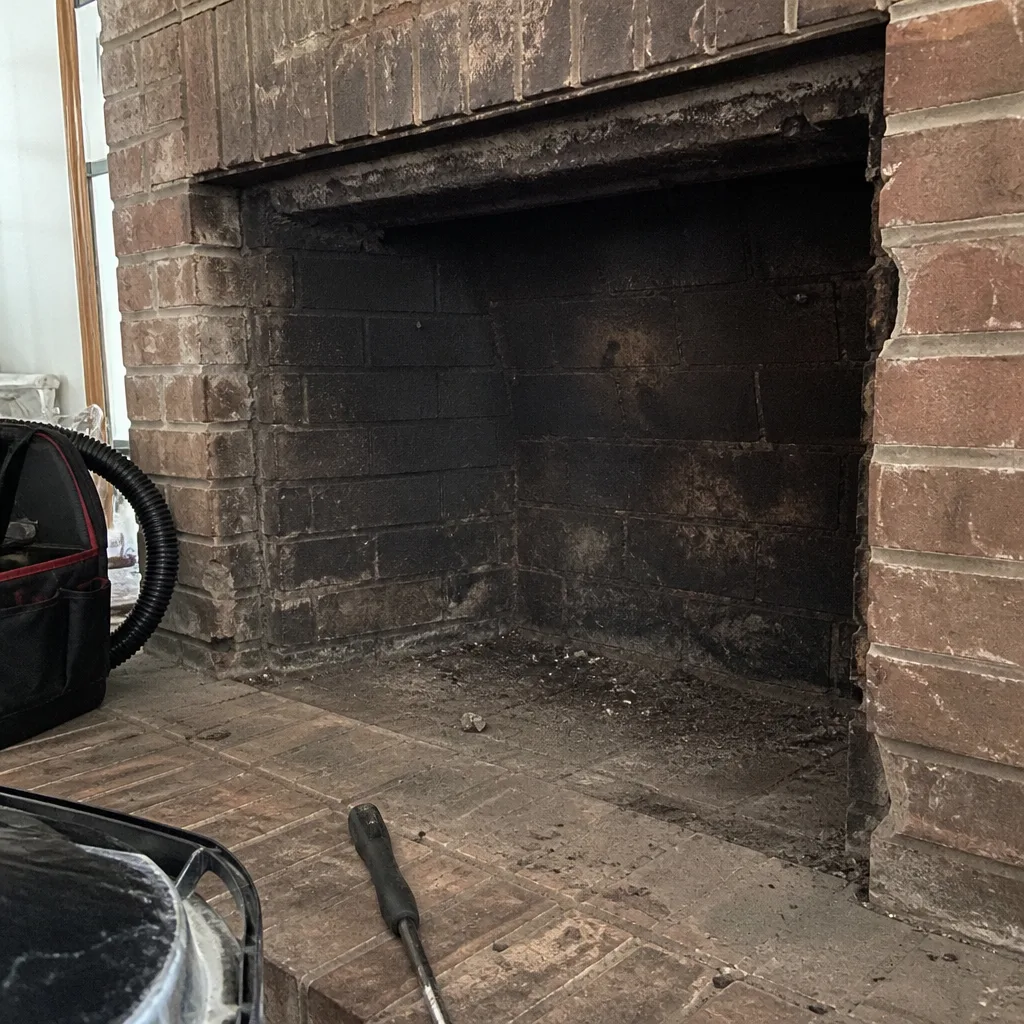 Before
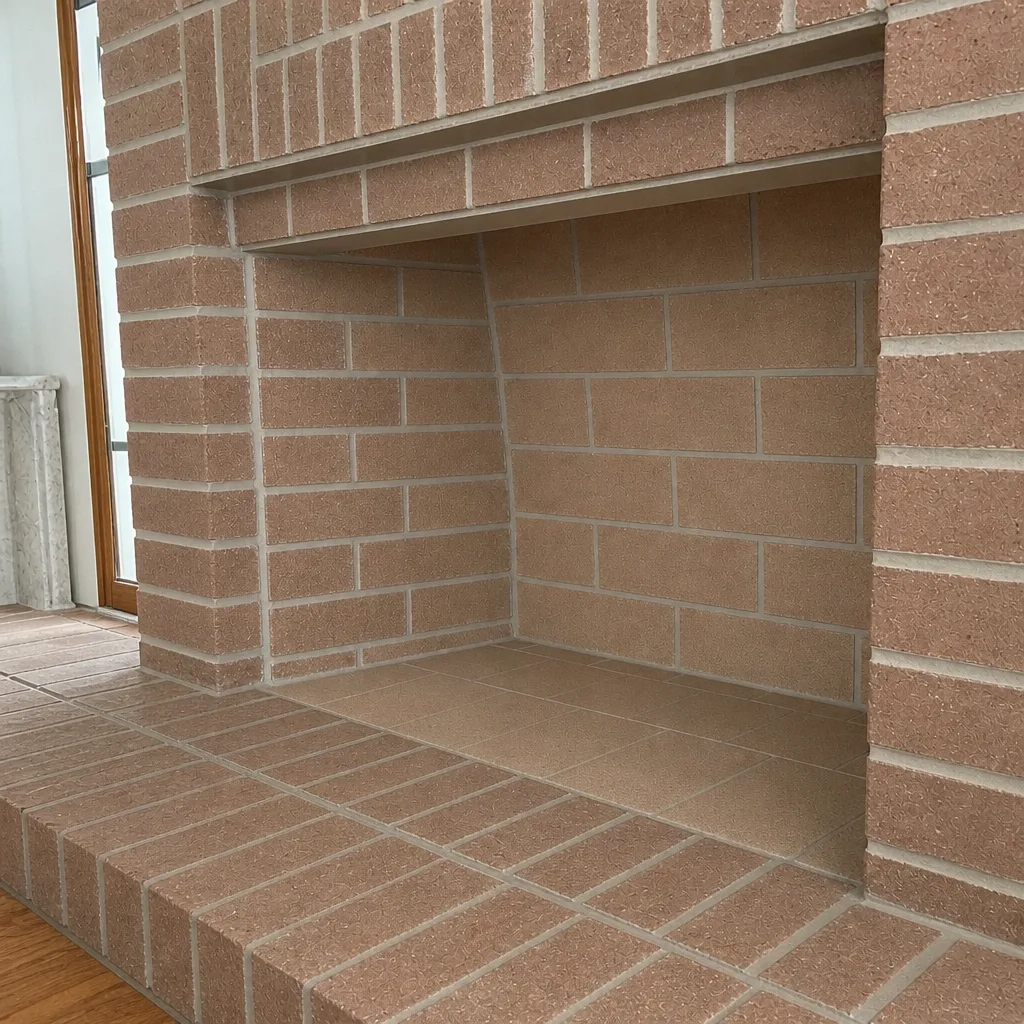 After
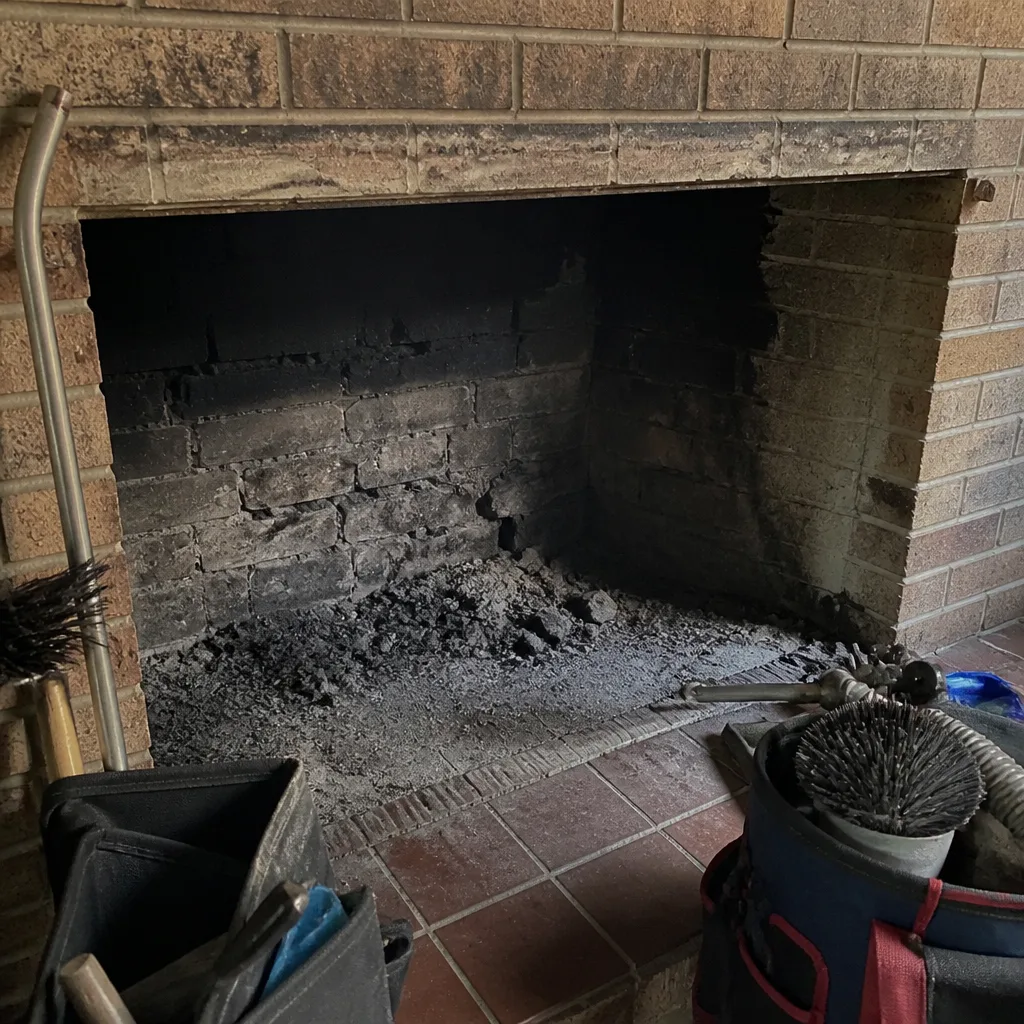 Before
 After
 Before
 After
When to Call a Professional
Call a professional if you’ve seen any shut-it-down sign from the list above, if you’ve noticed performance or structural signs that are getting worse over a season, or if you’ve bought a Minneapolis home where the previous owner’s chimney maintenance history isn’t documented. Call if a high-efficiency appliance was recently connected to a masonry flue and the chimney has started showing moisture or staining. Call if you’ve never had the chimney inspected and you can’t tell whether that’s efflorescence on the brick or something worse. And call if the fire just doesn’t draw the way it used to, even if nothing looks obviously wrong. A camera inspection and a photo report are how you find out what’s actually happening, and the written estimate sets the final price before any work begins. At Northwind Chimney Sweep, we sweep, repair, and inspect under one roof, so the same provider that finds the problem handles the resolution without handing you off to a third party. Northwind Chimney Sweep offers free estimates in Minneapolis. Call (844) 834-2087. We answer 24/7. Fast dispatch from 7am to 7pm, Sunday through Friday.
Frequently Asked Questions
The most common warning signs we see in Minneapolis are smoke smell in the house with no fire burning, slow-starting fires or poor draft, white staining on the exterior brick, spalling brick faces, visible mortar gaps, and frost or condensation on the chimney face that lingers after everything else has dried. Performance signs like smoke and draft point to a blockage or a liner breach; structural signs point to moisture and the envelope. Call (844) 834-2087 for an inspection quote – estimates are free.
Yes, treat it as one. A smoke smell with no fire burning means combustion gases or flue air are entering the living space, which can indicate a cracked flue tile, a blocked liner, or a draft failure. Shut the damper, don’t burn anything in the fireplace, and have the flue inspected before it’s used again. Call (844) 834-2087. We answer 24/7. Fast dispatch from 7am to 7pm, Sunday through Friday.
An annual inspection is the standard, and a chimney that’s used regularly for wood burning should be swept whenever the creosote load reaches a meaningful level. In a Minneapolis climate, the freeze-thaw cycle adds stress to the exterior, so an annual look catches crown, flashing, and cap problems before they become masonry repairs. If you’ve just bought a home and don’t know the maintenance history, schedule an inspection before the first burn. Call (844) 834-2087 for a free estimate.
It’s a very common retrofit in older Minneapolis homes, and it can become a problem. A high-efficiency furnace vents cooler, wetter exhaust than a wood fire, and a masonry flue sized for a fireplace often runs too cold and too damp to vent it correctly. The result is white staining near the top of the chimney first, then deteriorating mortar, then possible backdrafting at the appliance. A proper inspection determines whether a liner or dedicated vent is needed. Call (844) 834-2087 for a free estimate on inspection.
No. A cleaning tells you the flue is clear; an inspection tells you whether the tile, cap, crown, flashing, and venting are sound. Many of the warning signs in this guide – a cracked flue tile, a compromised liner, moisture inside the stack – can’t be seen from the firebox and don’t show up in a brush-and-go cleaning. A professional inspection with a camera and a photo report is how you actually know the condition. Call (844) 834-2087 for a free estimate.
Tell them what you noticed in plain terms, when it happens, where it shows up, what’s changed recently, and what you can see from the ground. Phrases like “smoke smell with no fire,” “fires take forever to catch,” and “white staining on the north face” help a technician pre-diagnose before arrival. Photos taken from the ground are useful too. Then let the inspection confirm the cause. Call (844) 834-2087 for a free estimate.
The Bottom Line
The chimney warning signs worth acting on in Minneapolis are rarely dramatic. They’re a smell, a slow-lighting fire, white staining on a brick face, frost that lingers. Sorting them into performance signs and structural signs, and into “months to act” versus “shut it down now,” is the most useful thing a homeowner can do with this guide. The right liner for your flue type, the right cap, and the right venting for a high-efficiency appliance are what keep a chimney working; no product fixes a problem the inspection hasn’t found. If anything on this page rings true for your house, have it looked at by a professional who inspects before recommending and shows you the evidence. Northwind Chimney Sweep works with professional-grade materials and handles sweep, repair, and inspection end to end, so the same team that finds the problem sees it through. Call (844) 834-2087. We answer 24/7. Fast dispatch from 7am to 7pm, Sunday through Friday. Free estimates, and the written estimate sets the final price.
Written by the team at Northwind Chimney Sweep.