
Last updated November 15, 2026
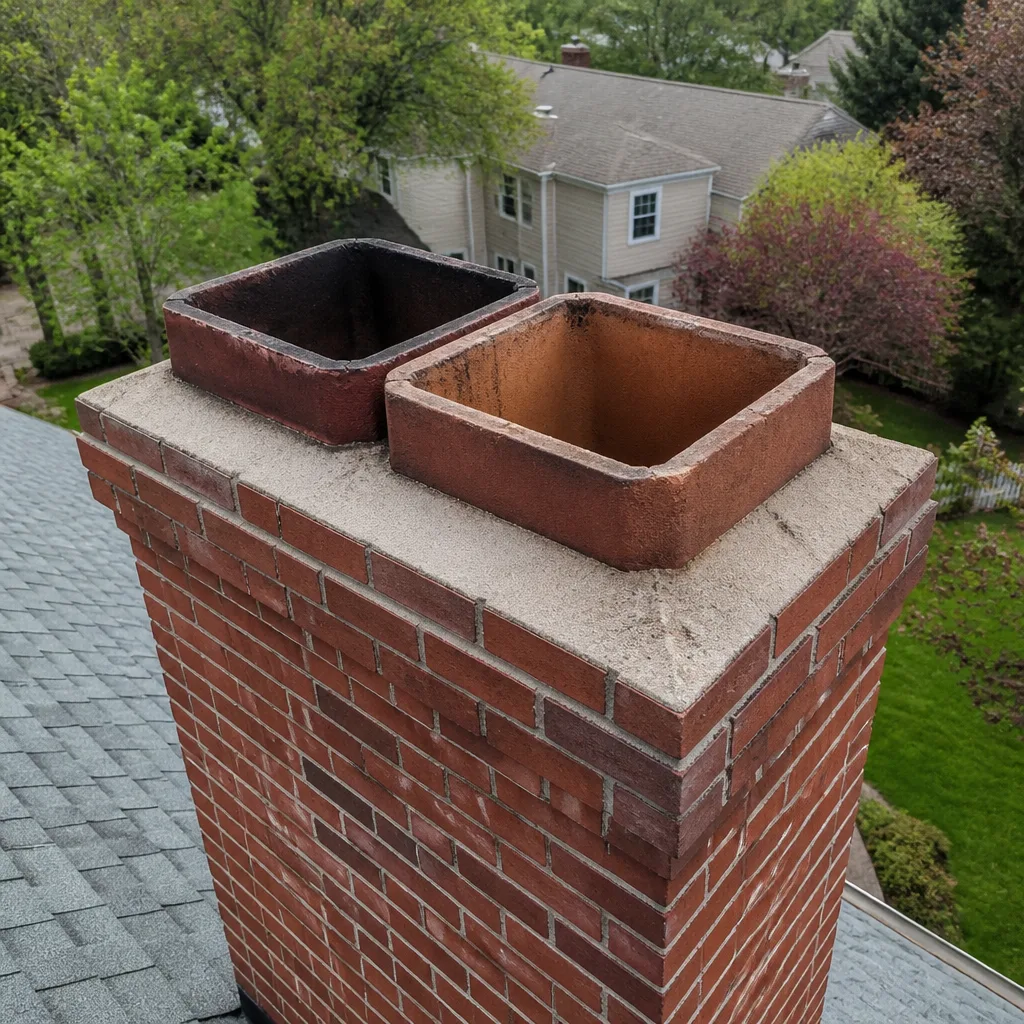 Sweep & inspection
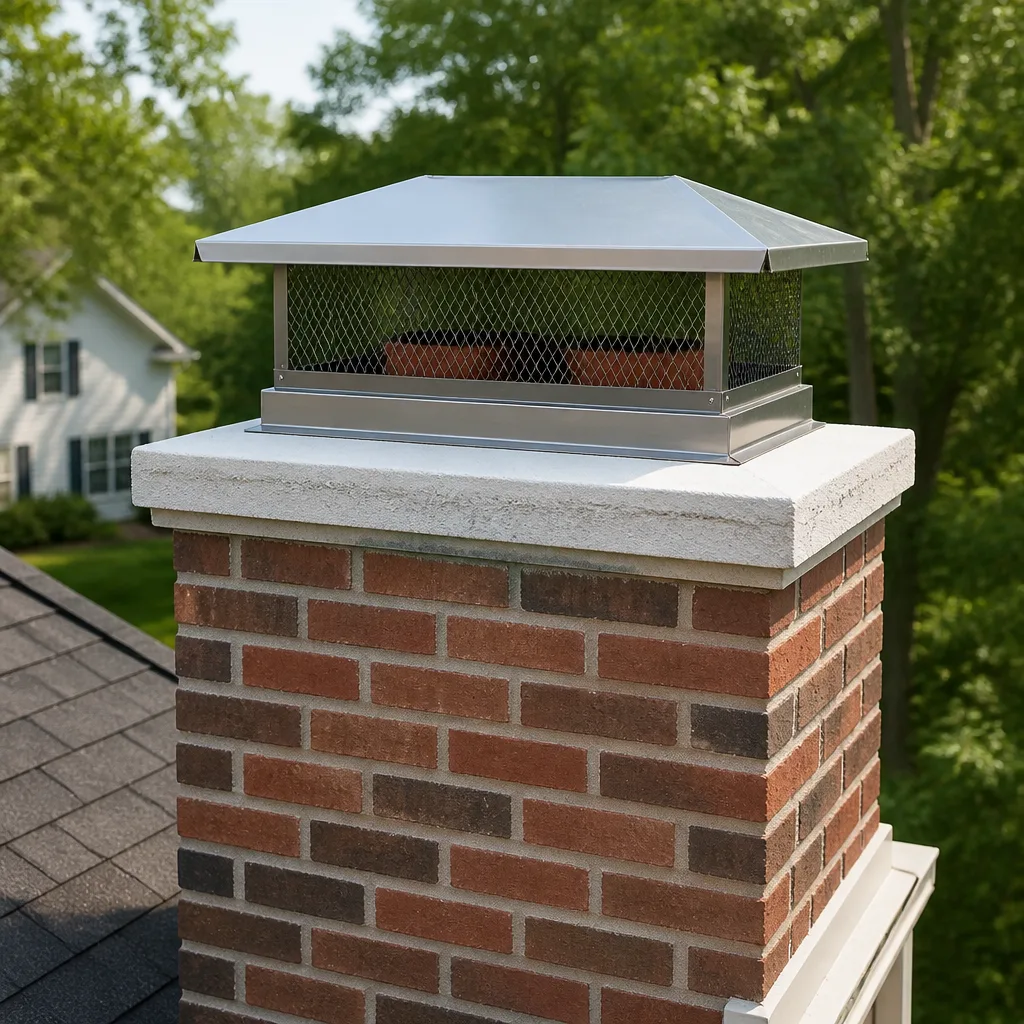 Caps & crowns
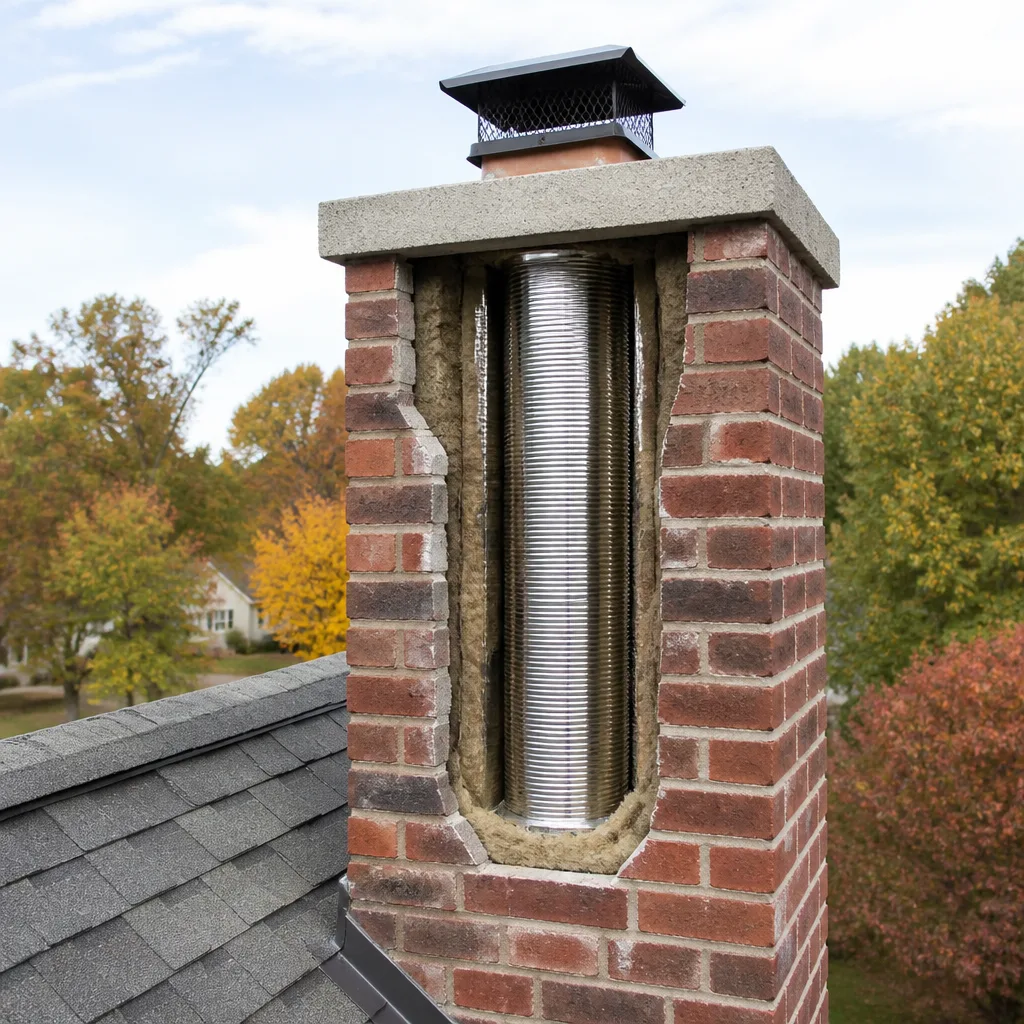 Flue relining
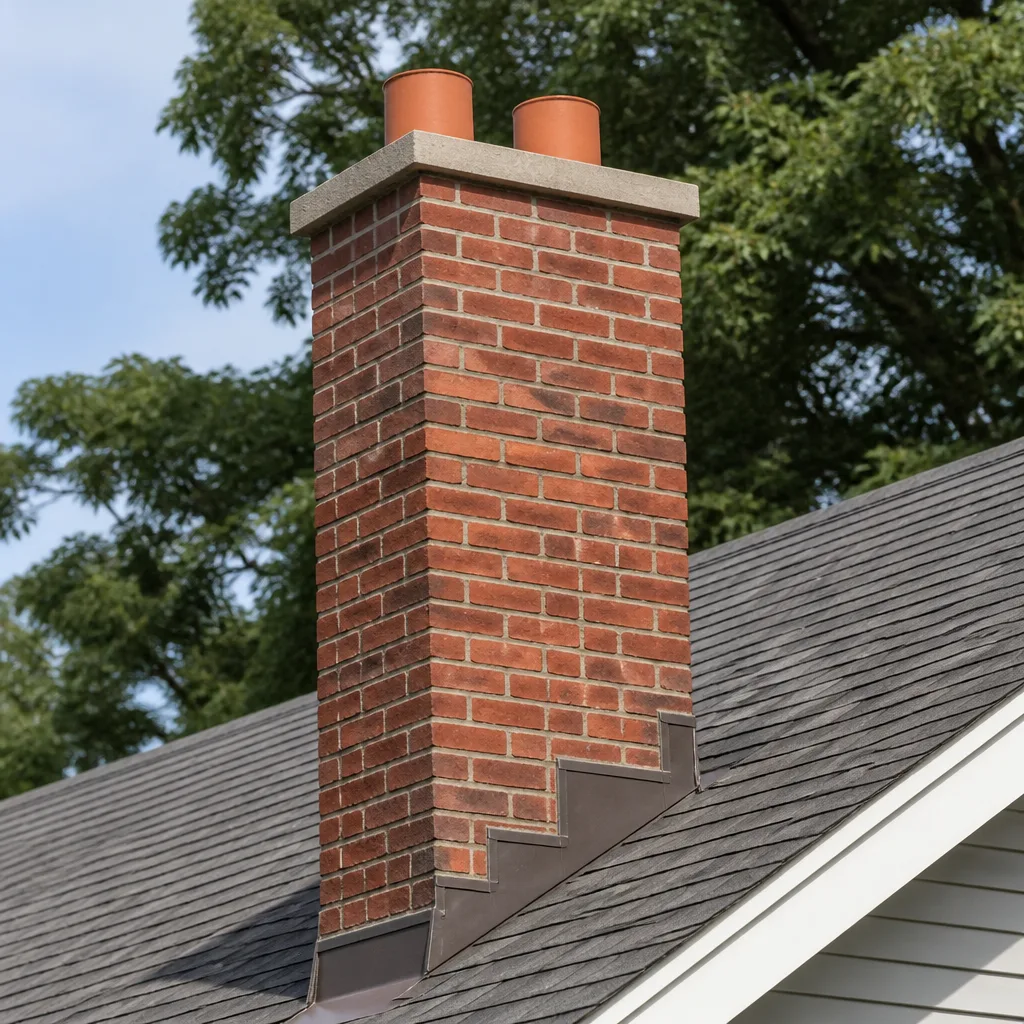 Masonry repair
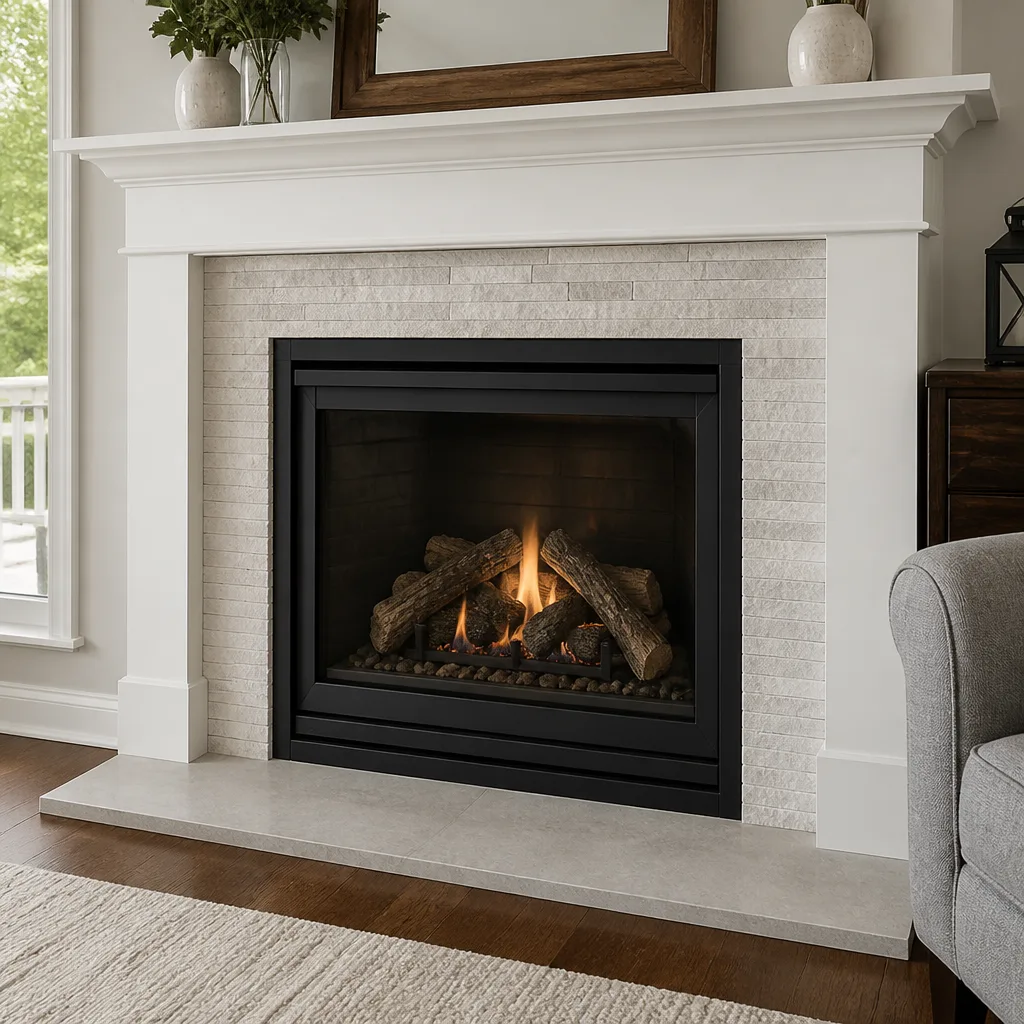 Gas fireplace service
Level 1 sweep and inspection to the NFPA 211 annual standard - flue, crown, cap, and flashing checked and photographed
Chimney sweep logs do not sweep chimneys. They loosen some creosote - which then falls where a brush and vacuum still have to collect it.
The Complete Guide to Chimney Cleaning in Minneapolis
Most chimney advice you’ll find online was written for places that barely see frost. Minneapolis is not one of those places. A chimney here runs hard for six months or more, then sits through a freeze-thaw cycle that works on mortar joints the way a chisel works on stone. The result is that a flue in a Minneapolis bungalow ages differently than a flue in a milder climate, and the maintenance calendar that works in Virginia can leave you exposed in Minnesota. This guide covers what actually matters here: how our winters change creosote formation, why older masonry and newer factory-built fireplaces need different treatment, and how to read an inspection report so you know what’s real and what’s an upsell. By the end, you’ll understand your flue as a system rather than a hole in the wall.
Quick Answer
Chimney cleaning in Minneapolis means removing creosote and soot from a flue that has run through a long, cold heating season, then inspecting the liner, mortar joints, crown and cap for damage that freeze-thaw cycling makes worse every year. Most wood-burning fireplaces need sweeping once a year, and the best time to book is after the burning season in spring so any mortar or liner damage gets fixed before the first hard freeze.
Styles & brands we work with
- Sweep & inspection
- Caps & crowns
- Flue relining
- Masonry repair
- Gas fireplace service
Table of Contents
- Why Minneapolis Chimneys Age Differently
- How Often Should You Get Your Chimney Cleaned in Minneapolis?
- Older Masonry Chimneys vs. Factory-Built Fireplaces
- Understanding Creosote Stages and Why They Matter Here
- Flue Gas Temperature and the Creosote Connection
- Level 1 vs. Level 2 Inspections: How to Read the Report
- What a Professional Chimney Cleaning Actually Involves
- Safety: What You Should Never Do Yourself
Why Minneapolis Chimneys Age Differently
Minneapolis sits in a climate that punishes masonry. Water gets into small cracks and pores in the mortar, freezes, expands, and pushes the joint apart. Then it thaws and the cycle starts again. A chimney crown or mortar joint that would be fine for years in a mild climate can deteriorate in a handful of seasons here because it goes through dozens of those cycles every winter. That’s the single biggest difference between chimney care in Minneapolis and chimney care almost anywhere else, and it’s why we inspect the exterior masonry as closely as the flue interior.
The second factor is how long the heating season runs. Homes here often burn wood or run a furnace flue for six months or more, which means more creosote accumulation per year and a longer window for that creosote to sit and harden. A flue that sees light seasonal use in a warmer state and a flue that runs from October into April are not the same maintenance problem, even if the fireplaces look identical.
Third is housing stock. Minneapolis has a deep inventory of homes built before 1980, many with original masonry chimneys that have been patched, relined or partly rebuilt over the years. Those chimneys carry decades of thermal cycling in their mortar. When we look at a pre-1980 Minneapolis chimney, we’re looking at a structure that has survived many winters and may be closer to the end of its service life than the homeowner realizes. That context shapes every recommendation we make.
How Often Should You Get Your Chimney Cleaned in Minneapolis?
Plan on one professional cleaning per year if you burn wood regularly, and book it in spring rather than fall. The national guidance is a cleaning when creosote reaches about 1/8 inch of buildup, but in Minneapolis the practical reason for annual service is different: a spring inspection catches freeze-thaw damage and cracked mortar while the weather still lets you repair it. Waiting until October means discovering a failed crown or a cracked liner when you need the fireplace and the repair crew is booked out.
Here’s how we frame the schedule for local homeowners:
- Regular wood burning (several fires a week through winter): annual sweep, and inspect the exterior masonry at the same visit.
- Occasional use (a few fires a month): still annual inspection; the sweep may be every other year if the flue stays clean, but you won’t know without looking.
- Gas fireplace or gas log set: annual inspection to check the venting, cap and draft, though a gas appliance doesn’t produce creosote the way wood does.
- Newly purchased home: a Level 2 inspection before you close, every time. You have no idea what the previous owner burned or how well the flue was maintained.
If you’ve just moved into a Minneapolis house and don’t know the chimney’s history, don’t guess at the interval. We inspect before we recommend, and the report tells you what the flue actually needs rather than what a generic schedule assumes. That’s the honest way to set a cleaning frequency that fits your fireplace and your burning habits.
Older Masonry Chimneys vs. Factory-Built Fireplaces
A pre-1980 Minneapolis bungalow typically has a masonry chimney: brick and mortar on the outside, a clay tile liner inside. That liner was sized for the original appliance and may have cracked over decades of heating and cooling. When a clay tile liner cracks, the flue gases can escape into the surrounding masonry or, worse, into the house. A cleaning on a chimney like this is partly a diagnostic exercise, because what we find in the flue determines whether it needs a simple sweep or a relining.
A newer suburban build more often has a factory-built fireplace with a metal chimney system, a stainless liner inside a framed chase, and a termination cap on the roof. These are engineered assemblies, and the components matter. That’s where product knowledge separates a real specialist from a generalist: familiarity with brands like Olympia Chimney and Copperfield liner systems means we can identify what’s installed, spot damage to the correct component, and replace it with a part that fits the system rather than a hardware-store substitute. Famco and Gelco components come into play for caps, draft management and venting, which are exactly the parts most cleaning-only services treat as afterthoughts.
The practical takeaway: know what kind of chimney you have before you book. Masonry and factory-built systems fail in different ways, need different inspections and take different repairs. If you’re not sure, that’s fine, we’ll tell you when we arrive, but it helps to know that “chimney cleaning” describes two fairly different jobs depending on the house.
Understanding Creosote Stages and Why They Matter Here
Creosote is the residue of incomplete combustion, and it builds up in stages. Knowing the stages helps you understand why a long Minneapolis heating season is a bigger creosote problem than a short one: the longer the flue runs, the more opportunities for each stage to develop into the next. Here’s what the stages actually look like inside a flue.
- Stage 1: Soot and flaky residue. A thin, dusty or flaky coating. This is the easiest to remove with a standard sweep and the normal state of a well-run flue between cleanings.
- Stage 2: Crusty, hardened deposits. A black, brittle crust that clings to the liner and takes more mechanical work to remove. This stage is a sign the appliance isn’t burning efficiently or the flue isn’t drafting well.
- Stage 3: Glazed creosote. A hard, shiny, tar-like coating. It’s concentrated fuel, it’s difficult to remove, and it can’t be handled with a routine sweep. Glazed creosote is the condition that most raises chimney fire risk, and a flue in this state needs more than cleaning.
In our experience across Minneapolis, Stage 3 glazed creosote most often shows up in flues that have run cool, meaning an inefficient stove, a fire that’s regularly smoldered, or a flue that’s oversized for the appliance. It’s the cheapest problem to prevent and one of the more expensive ones to fix. We also work with HeatShield ceramic resurfacing, a liner restoration approach that can repair a damaged flue without full replacement in the right conditions. When glazed creosote or a compromised liner shows up, the repair path depends on what the inspection finds, and we’ll show you the evidence before recommending anything.
Flue Gas Temperature and the Creosote Connection
Creosote forms when flue gases cool too quickly before they leave the chimney. Hot gases carry moisture and unburned particles up and out; cool gases condense those particles on the liner as creosote. Two things make this worse, and both are common in Minneapolis: an inefficient appliance and a cold flue.
The cold-climate version of the problem is a double liability. An older, inefficient wood stove or fireplace insert sends more unburned material up the flue than a modern appliance, and the outside temperature here means the flue itself starts cold every time. A cold flue cools the gases faster, which is exactly the condition that produces Stage 2 and Stage 3 creosote. The same appliance in a warmer climate might produce only light soot; here, it can glaze a liner in a season or two. We treat that combination, an inefficient appliance plus a cold-climate flue, as the leading reason to inspect rather than just sweep. Getting the draft and venting right, and in some cases restoring the liner surface with HeatShield, changes how the whole system behaves through the winter.
If your fireplace smokes into the room, smells like creosote even when it’s not burning, or won’t hold a fire well, those are draft symptoms. They’re worth an inspection because they point to a system that’s running cool, and a cool-running system is the one that builds the worst creosote.
Level 1 vs. Level 2 Inspections: How to Read the Report
An inspection is the diagnostic foundation of every job, so it’s worth knowing what you’re buying. A Level 1 inspection covers the readily accessible parts of the chimney and venting, the firebox, damper, and visible flue. It’s the routine check that goes with an annual cleaning. A Level 2 inspection goes further, typically with a camera, to look at the flue interior and any concealed sections. It’s the standard for a home purchase, after a chimney fire, after an appliance change, or when you’ve had an earthquake or other event that could have damaged the flue. Our inspection service follows NFPA 211, the standard that buyers and insurance companies reference at closing, which matters when you need the report to hold up for someone other than yourself.
When you read a Level 1 report, look for the condition of the firebox, damper, and visible flue, and any noted creosote level. When you read a Level 2 report, look for the liner condition, any gaps or cracks, and the camera findings. In Minneapolis, certain findings should trigger action right away:
- Cracked or missing clay tile liner: flue gases can reach the masonry, which is a real hazard, and it usually means relining.
- Deteriorated mortar joints or a cracked crown: these let water in, and given the freeze-thaw cycle here, they get worse every winter.
- Glazed creosote (Stage 3): needs more than a sweep, often liner restoration or replacement.
- Blocked or damaged cap or a missing termination cap: allows water, animals and debris into the flue.
- Evidence of a prior chimney fire: a Level 2 inspection is the starting point, not the end of the conversation.
If your report lists findings you can’t interpret, ask. A good inspector will walk you through the camera images and explain what’s urgent, what can wait, and what’s cosmetic. Nothing gets recommended without evidence you can look at yourself.
What a Professional Chimney Cleaning Actually Involves
A proper cleaning is more than running a brush up the flue. Here’s the sequence a trained technician follows, which is also a useful checklist for judging any cleaning service:
- Protect the room with drop cloths and a HEPA vacuum so soot stays contained.
- Inspect the firebox, damper and flue before cleaning, to identify creosote stage and any damage.
- Remove creosote and soot from the flue with the right tools for the buildup, and clear the firebox and smoke shelf.
- Check the cap, crown and exterior masonry for damage, especially in a freeze-thaw climate.
- Inspect the liner and venting, using a camera where the level of inspection calls for it.
- Document findings and give you a written report with photos, so you can see what was found.
One crew handles inspection, cleaning and any needed chimney repair, which removes the handoffs you get when diagnosis and repair are split between companies. That continuity matters because the person who inspects your flue is the person who knows what it needs. When repair is called for, our product lineup includes professional-grade materials: DuraFlex for full relining projects, HeatShield for liner restoration, and Olympia Chimney, Famco, Gelco and Copperfield components for venting, caps and draft management. These are the materials used in commercial and high-spec residential work, not hardware-store substitutes, and using the right part for the system is how a repair lasts between visits instead of becoming a recurring patch.
Safety: What You Should Never Do Yourself
A chimney is one of the few parts of a house where the wrong DIY decision can kill someone. We say that plainly because it’s true, not to scare you into booking. Two things in particular belong to trained professionals. First, anything involving the flue liner, the crown or the masonry structure: a cracked liner lets combustion gases into the house, and carbon monoxide is invisible. Second, anything involving a gas appliance connection or venting. Those require a qualified technician, and a chimney specialist should be the one assessing the venting. For a wood flue, the danger is creosote ignition and a chimney fire that can spread into the structure; for a gas appliance, it’s carbon monoxide from a blocked or damaged vent. Both are reasons to have the system inspected rather than assumed to be fine.
What you can safely do yourself is check for the obvious between professional visits: make sure the cap is intact, look for water staining or crumbling mortar on the exterior, and confirm the damper opens and closes. If you see or smell anything unusual, stop using the fireplace and call. Call (844) 834-2087. We answer 24/7. Fast dispatch from 7am to 7pm, Sunday through Friday.
Common Mistakes to Avoid
- Waiting until fall to book. In Minneapolis, spring is the right time because it leaves the warm months for repair work. Fall booking means discovering damage right when you need the fireplace.
- Assuming a clean sweep means a safe flue. A sweep removes creosote; it doesn’t tell you the liner is sound. That’s what the inspection is for, and in a freeze-thaw climate it’s the more important half of the visit.
- Skipping the inspection on a newly purchased home. The previous owner’s burning habits are unknown, and a Level 2 inspection is the standard buyers and insurers expect.
- Letting a general handyman handle liner or venting work. A chimney is an engineered system. The right liner, cap and draft components come from brands like Olympia Chimney, Copperfield, Famco and Gelco, not a generic substitute.
- Ignoring exterior mortar and crown cracks. Water is the enemy here, and every winter freeze makes a small crack bigger. Catch it in warm weather, not after it has opened up.
- Burning smoldering, low-efficiency fires to “stretch” the wood. Cool fires build the worst creosote. Burn hot enough to keep the flue gases moving, and you’ll have less to clean.
- Treating a gas fireplace as maintenance-free. Gas doesn’t make creosote, but the venting, cap and draft still need an annual look.
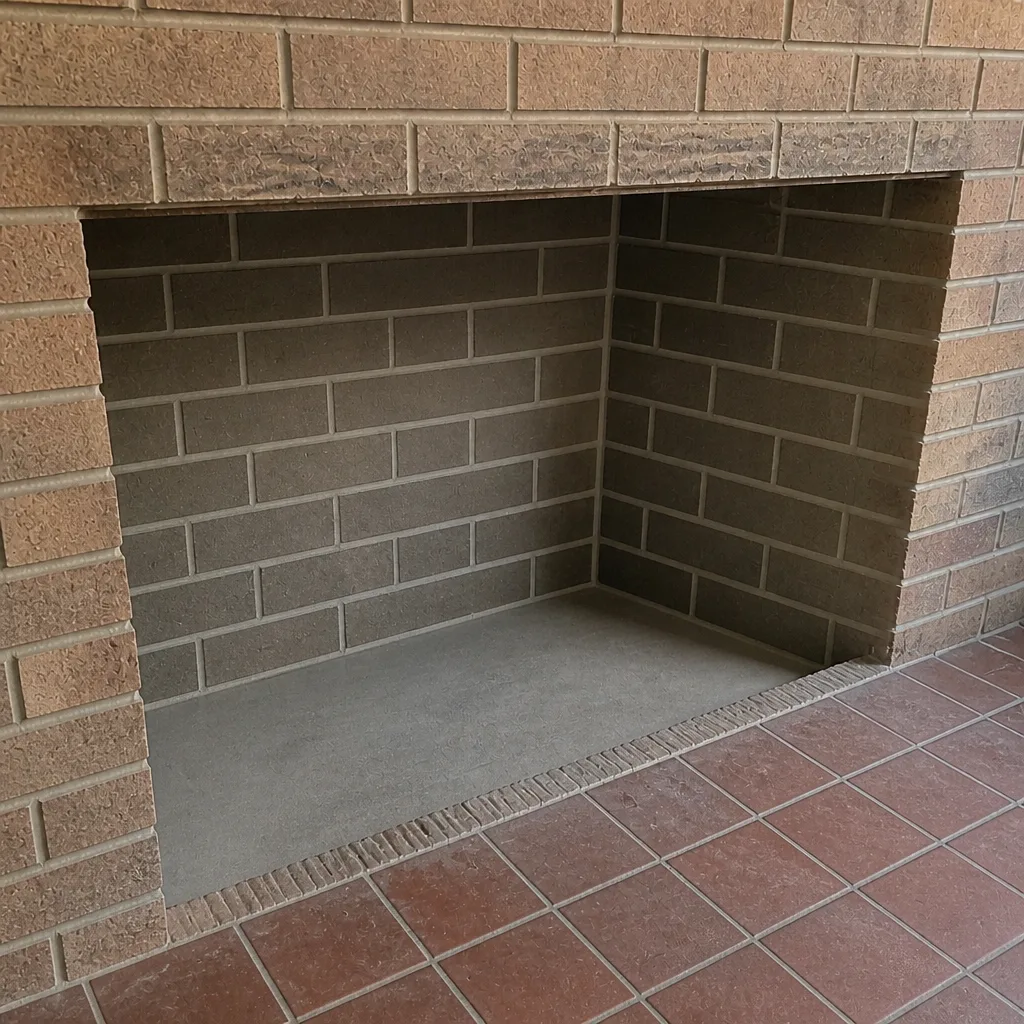
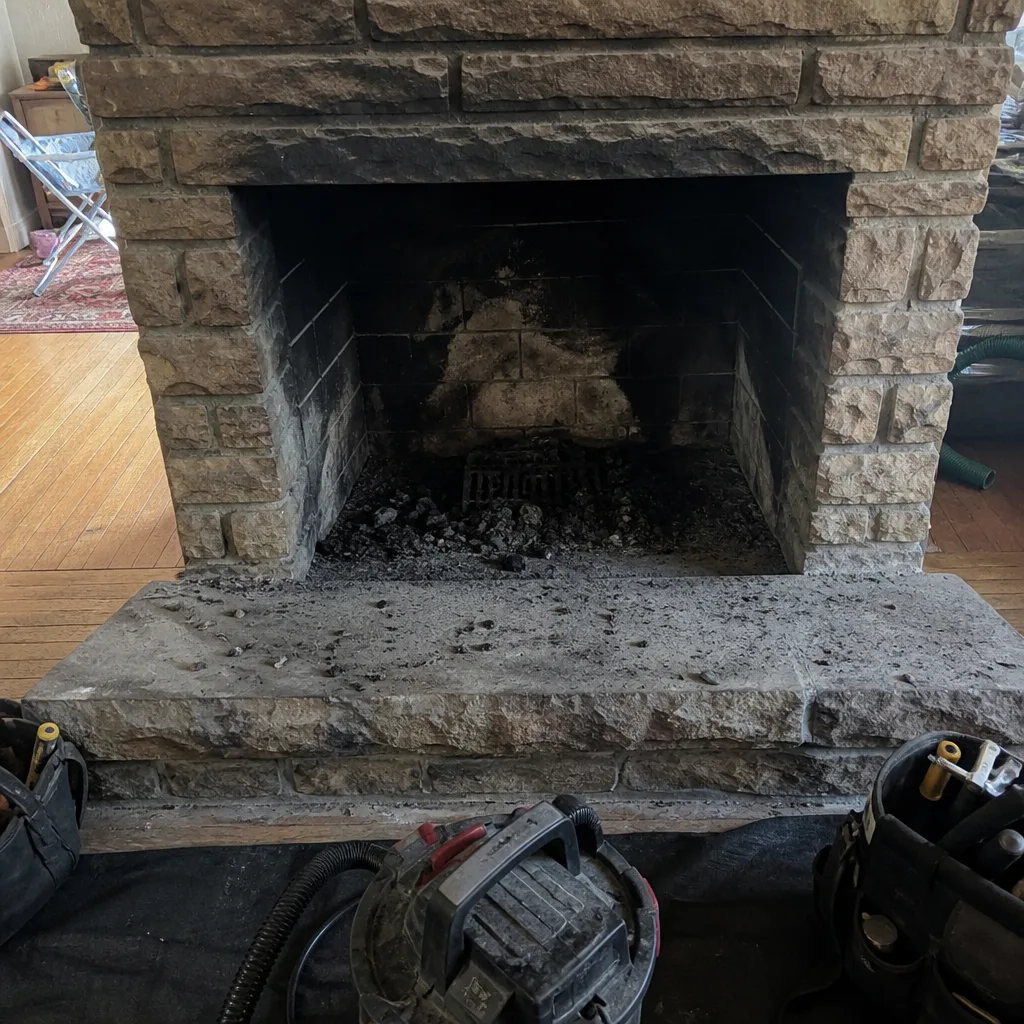
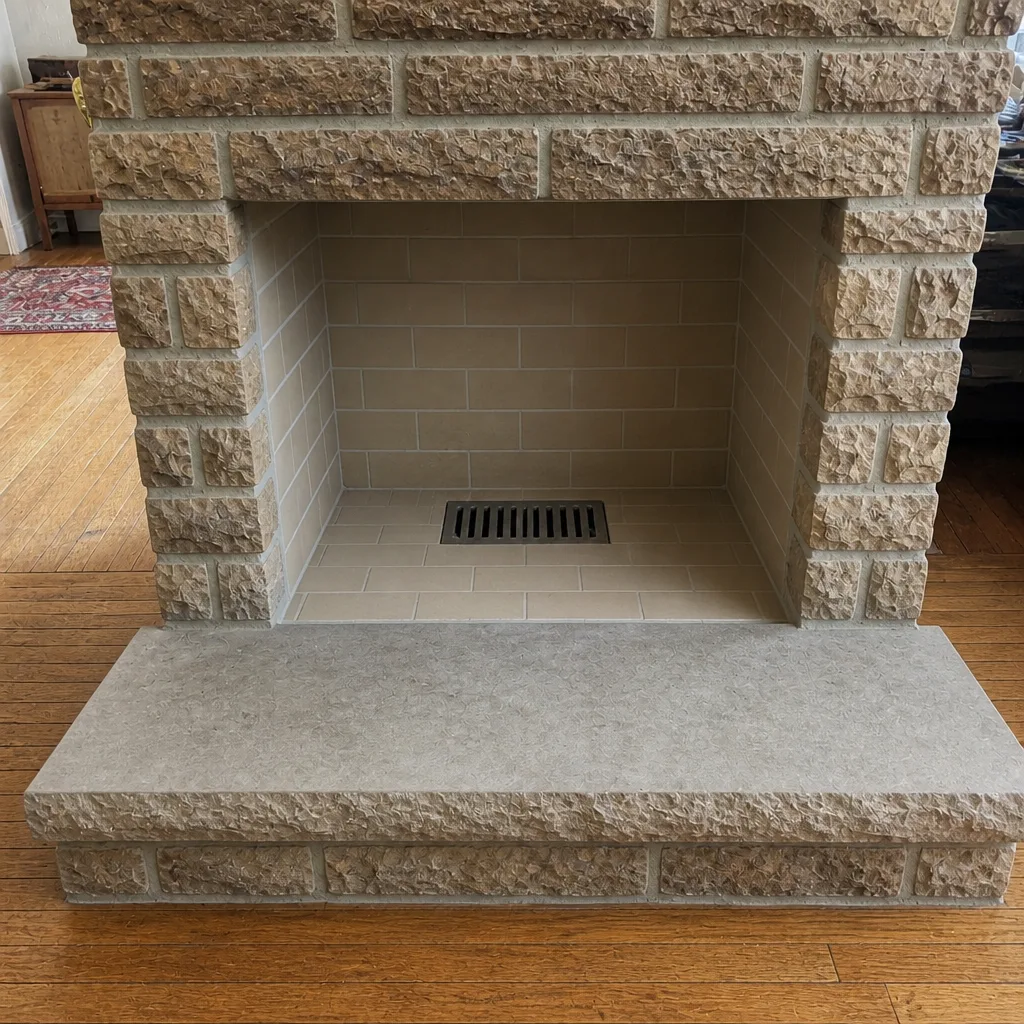
See the difference
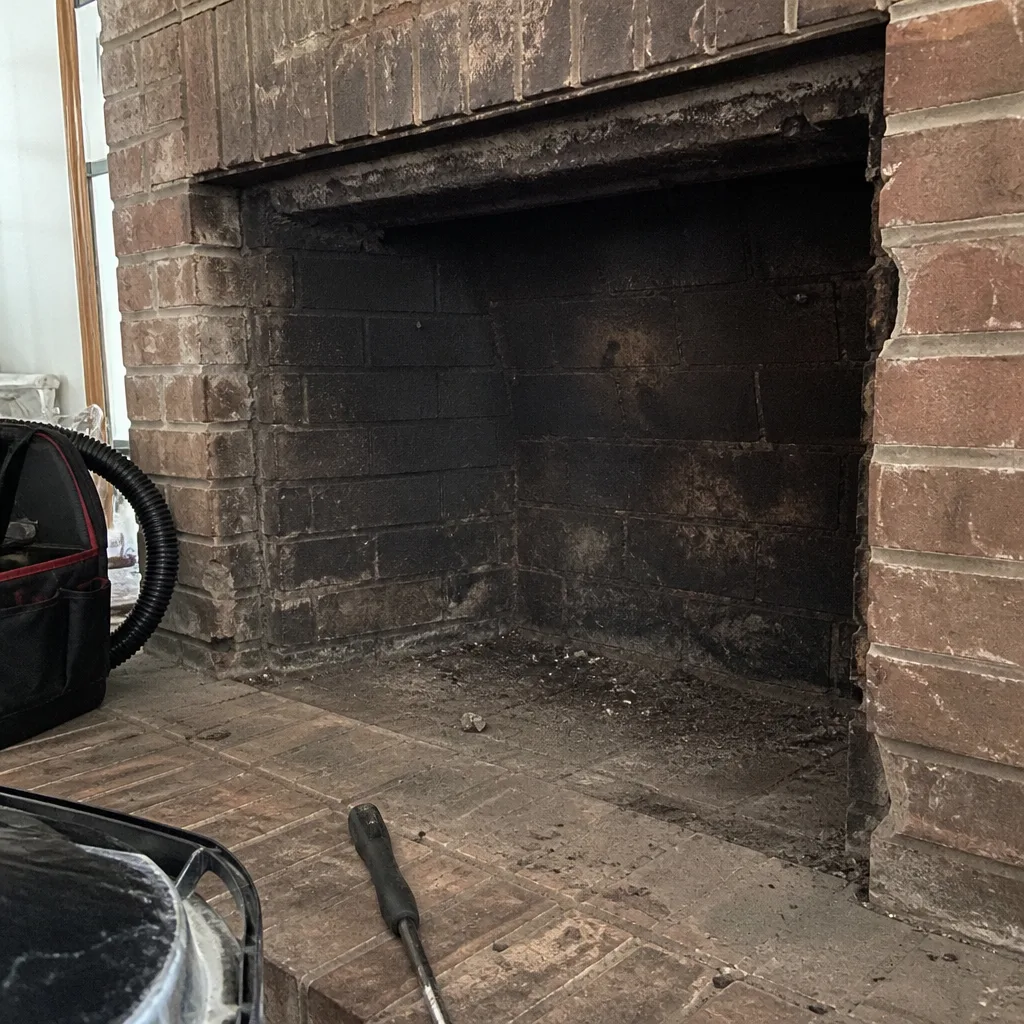 Before
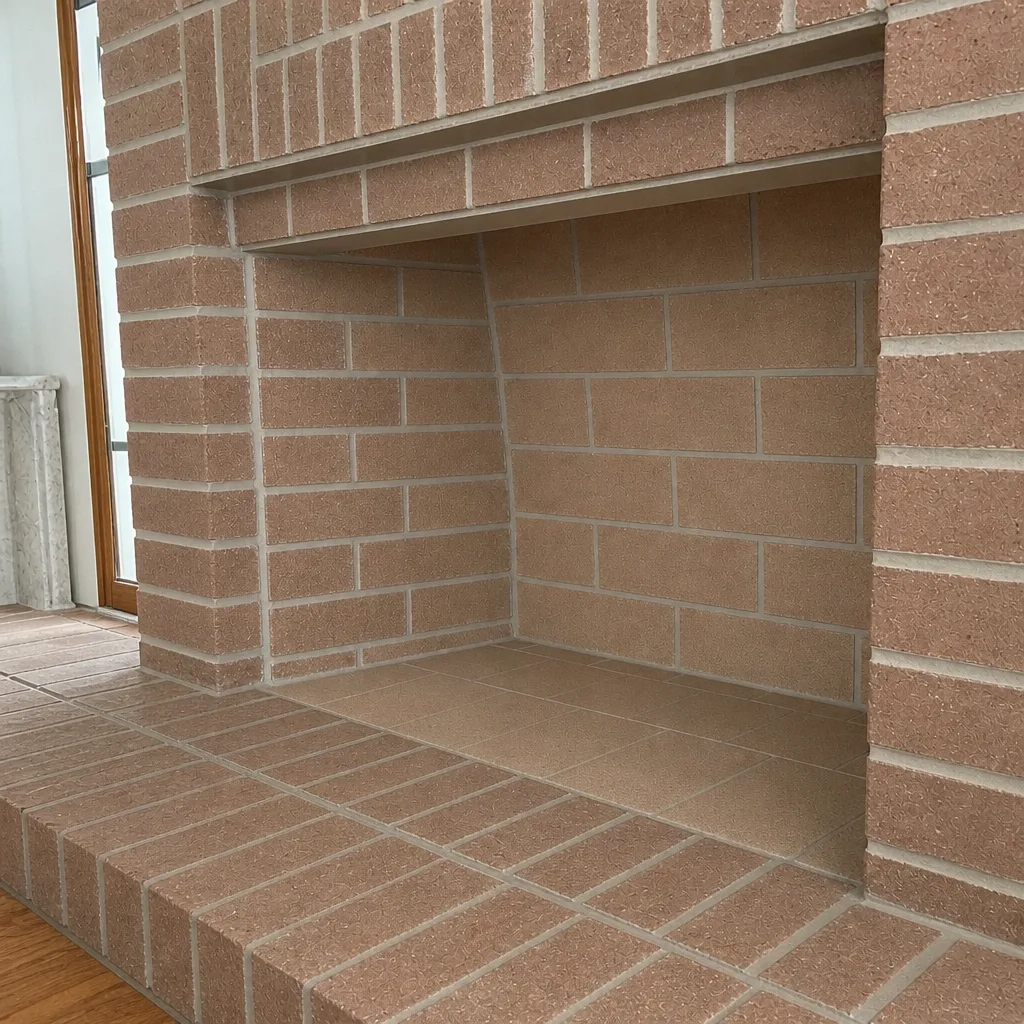 After
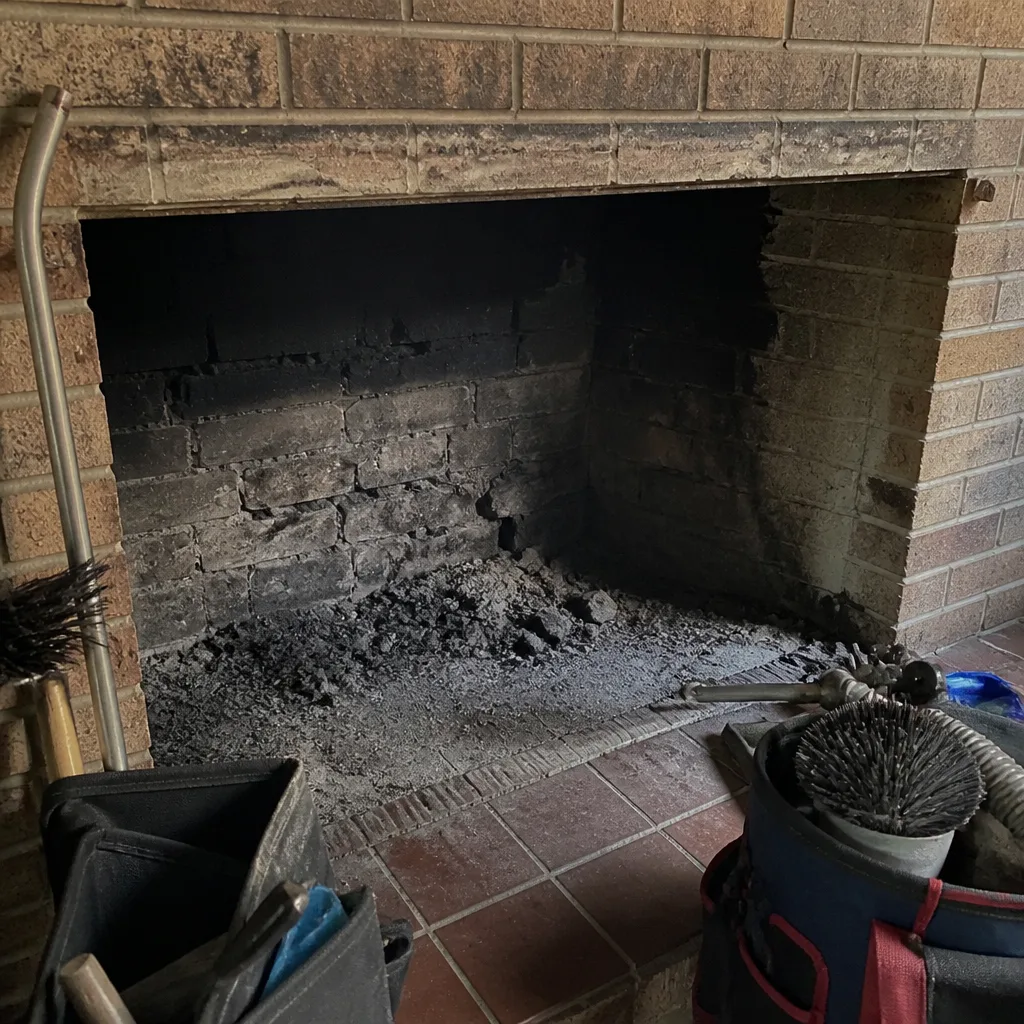 Before
 After
 Before
 After
When to Call a Professional
Call a professional if you’ve burned wood through a full season and haven’t had the flue cleaned, if you’re buying or selling a Minneapolis home and need an inspection that references NFPA 211, if you see cracked mortar, a damaged crown or a missing cap, or if the fireplace smokes, smells, or won’t draft. Call sooner if you suspect a chimney fire has happened, if a liner looks damaged, or if anyone in the home has unexplained headaches or CO detector alarms, and stop using the appliance until it’s checked. A cleaning or inspection is a diagnostic visit, not a sales call. Northwind Chimney Sweep offers free estimates in Minneapolis. Call (844) 834-2087. We answer 24/7. Fast dispatch from 7am to 7pm, Sunday through Friday.
Frequently Asked Questions
A typical cleaning is priced per job by a written estimate, and the estimate is free. The cost depends on the flue’s condition, the creosote stage and whether an inspection is included, so the written estimate is what sets the final price. Call (844) 834-2087 for an exact quote. Estimates are free.
Once a year for regular wood burners, and annually inspected even with light use, because freeze-thaw damage doesn’t wait for creosote buildup. Spring is the practical time to book in Minneapolis so any repairs happen before the cold returns.
Creosote keeps building, and in a long Minneapolis heating season it can progress from flaky soot to hard glazed deposits that raise chimney fire risk. At the same time, small mortar and crown cracks keep growing through each freeze and thaw. Skipping a year is how a cheap cleaning becomes a repair.
Only if the inspection shows the existing liner is cracked, deteriorated or otherwise compromised, and we show you the evidence before recommending one. A HeatShield resurfacing can restore a damaged liner in some cases instead of a full replacement, which saves cost and disruption. Call (844) 834-2087 for an assessment.
Yes, cleaning and inspection are handled in a single visit by one crew whenever the schedule allows, since diagnosis and cleaning belong together. Call (844) 834-2087 to book, and we’ll give you the earliest opening. We answer 24/7. Fast dispatch from 7am to 7pm, Sunday through Friday.
A good report shows you the condition of the liner, firebox, damper, crown, cap and masonry, with photos where it counts, and separates what’s urgent from what can safely wait. Ours follows NFPA 211 so it holds up for buyers and insurers at closing. If you have a report from another company, we’re glad to help you read it.
The Bottom Line
Chimney care in Minneapolis is a climate problem first and a cleaning problem second. Freeze-thaw cycling ages mortar and crowns year-round, a long heating season builds creosote faster, and older masonry and newer factory-built fireplaces fail in different ways. The routine that works: sweep annually, inspect every visit, book in spring, and read your report carefully. When you need a specialist who knows the flue as a system and works with the right professional-grade materials, our chimney sweep service covers diagnosis through repair with one crew. And when you’re comparing providers, know what to ask; the Northwind Chimney Sweep team is glad to walk you through Minneapolis chimney care. Call (844) 834-2087 for a free estimate. We answer 24/7. Fast dispatch from 7am to 7pm, Sunday through Friday.
Our technicians have up to 12 years of experience, and every job begins with an inspection you can see for yourself.
Written by the team at Northwind Chimney Sweep.