
Last updated November 15, 2026
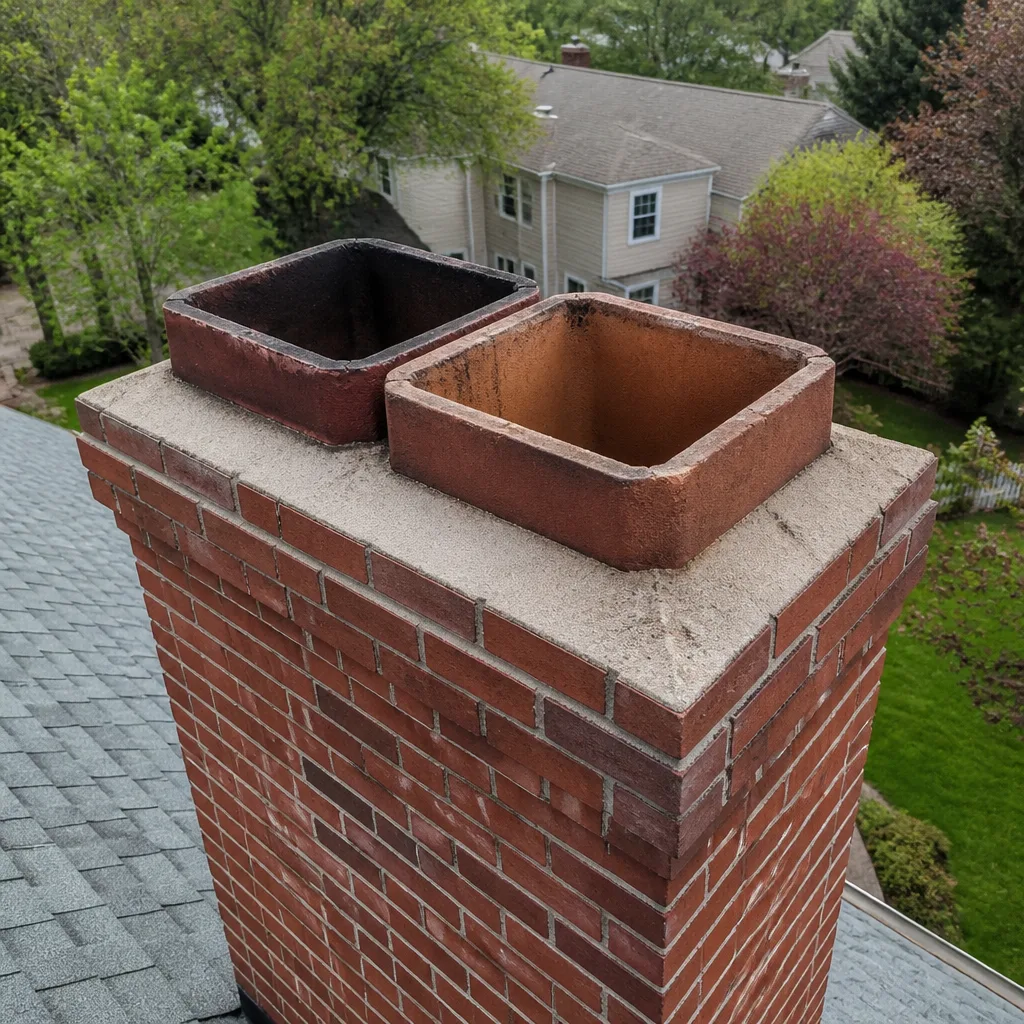 Sweep & inspection
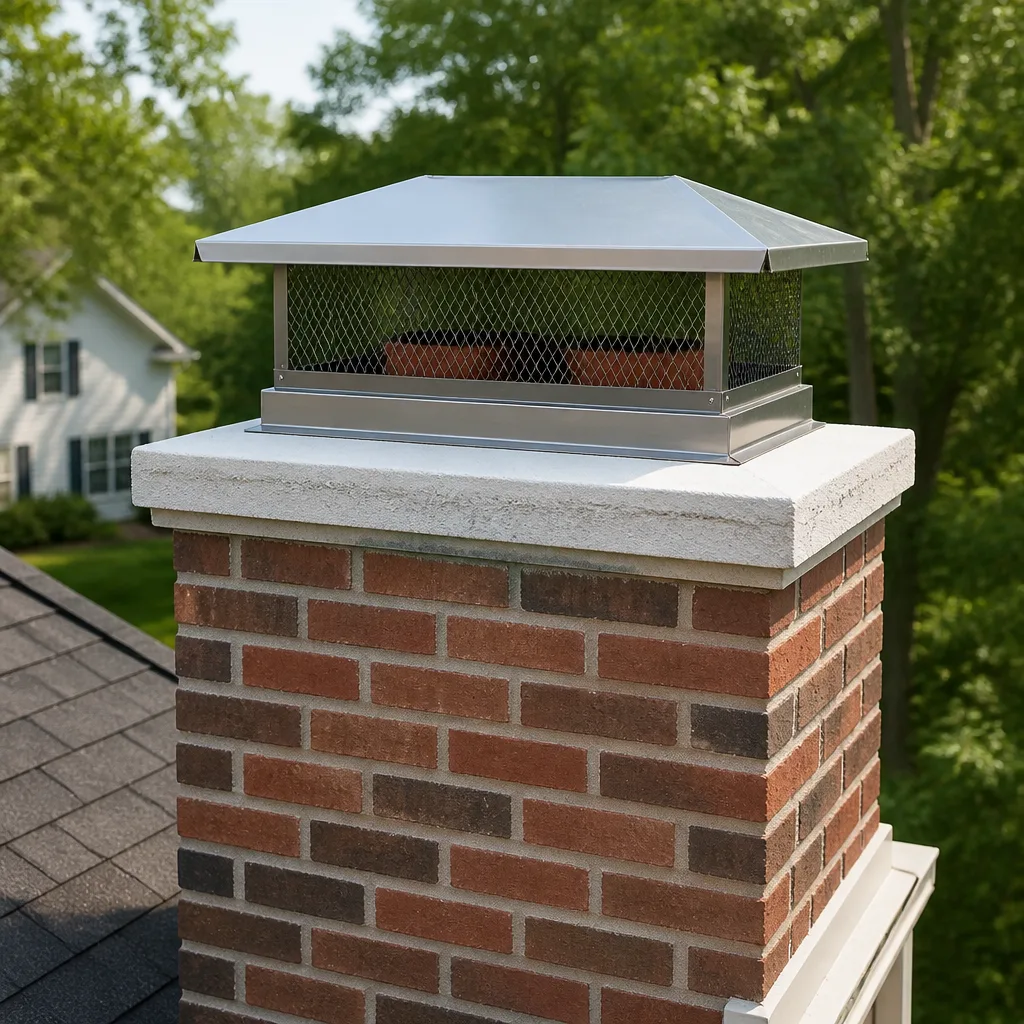 Caps & crowns
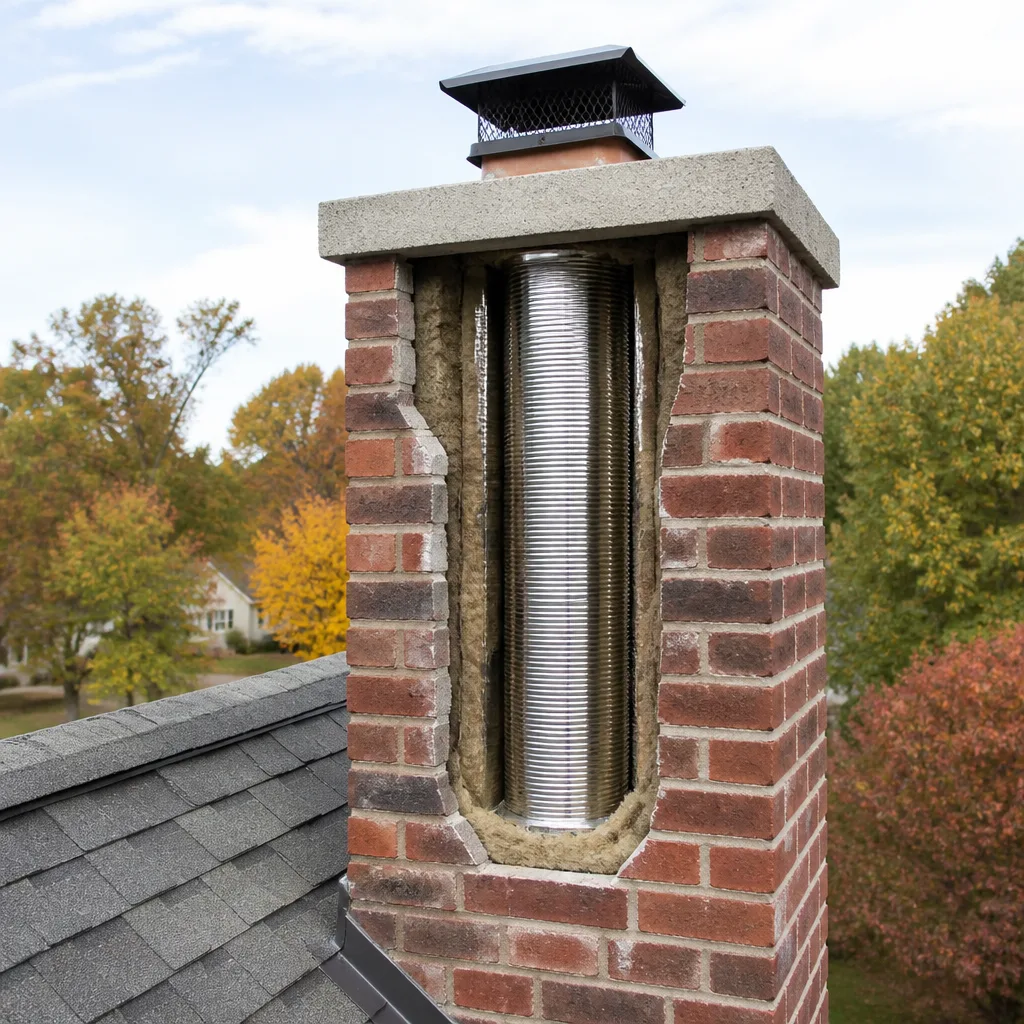 Flue relining
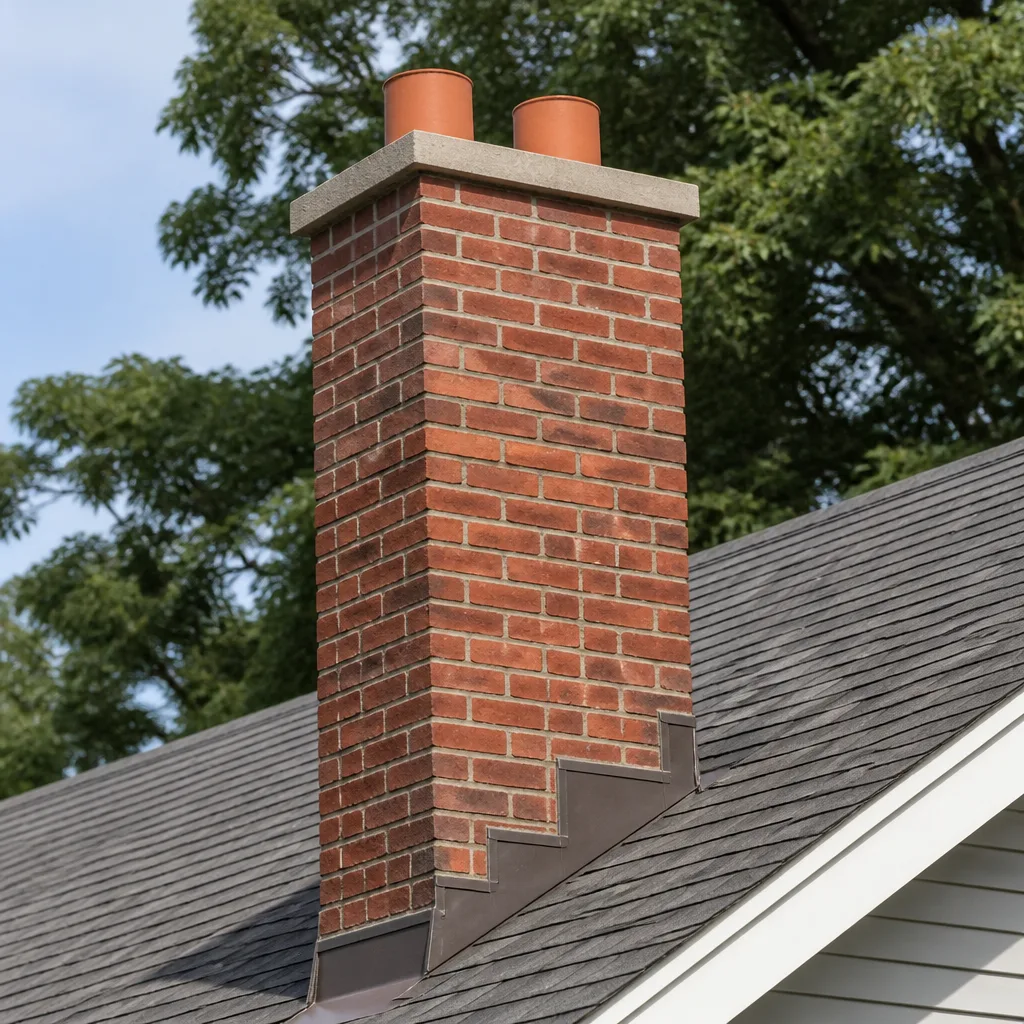 Masonry repair
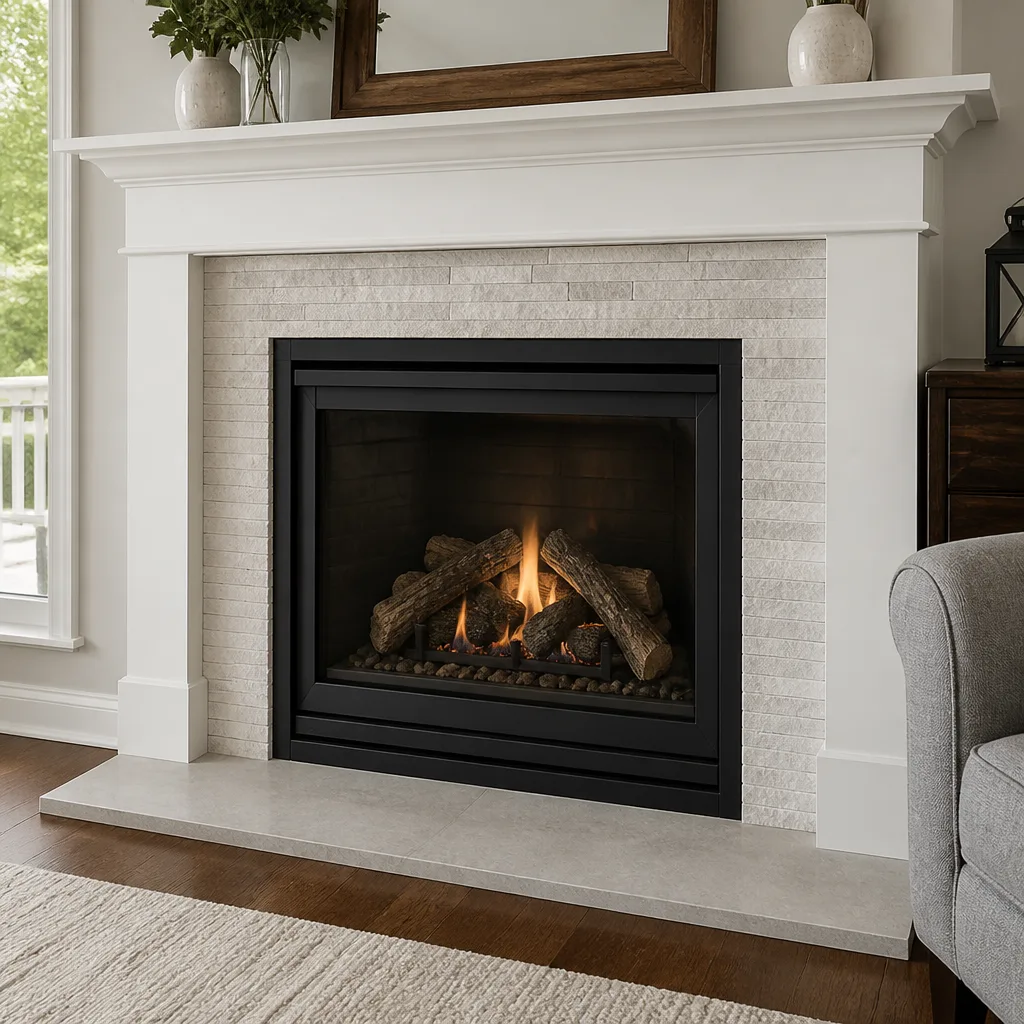 Gas fireplace service
Level 1 sweep and inspection to the NFPA 211 annual standard - flue, crown, cap, and flashing checked and photographed
Chimney sweep logs do not sweep chimneys. They loosen some creosote - which then falls where a brush and vacuum still have to collect it.
Chimney Sweep Troubleshooting in Minneapolis: Common Problems and How to Fix Them
If your fireplace smokes back into the room only on the coldest days, the problem probably isn’t your chimney at all. It’s your house’s air pressure, and no amount of sweeping will fix it. That single fact explains more wasted service calls than any other in this climate. Most chimney problems in Minneapolis trace back to a handful of climate-specific failure modes, and matching the symptom to the right cause before you call anyone is what saves time and money. In this guide, we walk through freeze-thaw crown damage, negative air pressure in tight modern homes, the creosote stages that form fast during short cold-weather burns, and how to read a smoke pattern to tell a liner issue from a cap or draft issue. Our goal is simple: you should be able to describe your problem accurately and know exactly what you’re being sold.
Quick Answer
Most chimney problems in Minneapolis come down to one of four causes: water damage from freeze-thaw cycles cracking the crown and masonry, negative pressure inside tight homes pulling smoke back down the flue, creosote buildup from short cold-weather burns, or a flue that’s blocked or the wrong size for the appliance. The right fix depends entirely on which one you have. A proper inspection, not a guess, tells you which.
Styles & brands we work with
- Sweep & inspection
- Caps & crowns
- Flue relining
- Masonry repair
- Gas fireplace service
Table of Contents
- Why Does My Fireplace Smoke Back Into the Room?
- Why Do Minneapolis Chimneys Crack Faster Than Elsewhere?
- What Are the Three Stages of Creosote and Why Do They Matter?
- How to Read a Smoke Behavior Pattern
- What You Can Safely Check Yourself vs. What Needs a Camera
- Draft, Caps, and Venting: Small Parts That Cause Big Problems
- When Is a Liner Actually the Problem?
- Common Mistakes to Avoid
Why Does My Fireplace Smoke Back Into the Room?
Smoke that only backs up on the coldest days is almost always a pressure problem, not a blockage. Tight modern homes in Minneapolis are built and weatherized to hold heat, which means they also hold air. When a house is sealed that tightly, the fire has nowhere to pull combustion air from. Every exhaust fan running in the kitchen or bathroom, and often a clothes dryer too, pulls air out of the house faster than the house can replace it. The chimney becomes the easiest path for replacement air, so it reverses and pushes smoke into the room.
The classic scenarios are easy to spot once you know what to look for:
- The fireplace works fine on mild days but smokes when it’s well below freezing.
- Smoke appears after someone turns on the bath fan or the range hood.
- Smoke appears only in a recently sealed or renovated home.
- The smoke smell shows up without visible smoke, especially near the flue.
- It happens more in basement fireplaces, where the flue is shorter and the pressure difference is greater.
This is the key distinction. A sweep won’t fix depressurization, because there’s nothing in the flue to sweep. What’s needed is a diagnosis: a combustion air assessment, checking whether the home is over-tightened, possibly a different cap or vent configuration, and in some cases a dedicated outside air source for the appliance. If a sweep diagnoses this as “blockage” and charges you for a cleaning that changes nothing, you’ll be right back where you started. Ask whether the issue is one of pressure or one of obstruction, and if the answer isn’t clear, ask why.
Blocked flues do happen, of course, and they matter. A nest, a collapsed liner section, or heavy glazed creosote narrows the flue enough that smoke has nowhere to go. But blockage tends to be consistent: the fireplace smokes every time you light it, regardless of temperature or fans. Pressure problems are situational. That difference is your first diagnostic clue.
Why Do Minneapolis Chimneys Crack Faster Than Elsewhere?
Minneapolis sits in one of the harshest freeze-thaw climates in the country, and masonry suffers because of it. Water gets into small cracks in the crown or the brick, sits there, and then freezes overnight. When water freezes, it expands, and that expansion widens the crack. The next thaw lets in more water, which freezes again, and the cycle repeats. Over one winter, a hairline crack can turn into a spalled brick face or a crown that’s fully separated from the flue. This isn’t decay from age so much as damage from repetition, and this climate delivers hundreds of those cycles a season.
The early signs are visible long before water gets into the liner, and they’re worth knowing:
- Chunked or flaking brick faces. Look at the exterior masonry near the roofline. If the brick face is peeling off in thin flakes, that’s spalling, and it means water is already inside.
- White, chalky staining on the brick. That’s efflorescence, mineral salts pushed to the surface as water moves through. It’s a reliable sign of moisture working its way through.
- Hairline cracks in the crown. The crown is the sloped concrete top the chimney sits on. Even small cracks let water in.
- Rust streaks on the chase or flashing. Water getting behind the flashing shows up as rust on the metal.
- A musty smell in the firebox. That’s damp masonry, and it usually means water is pooling behind the firebrick.
Minneapolis homes with older masonry chimneys are especially vulnerable because many were built without a proper crown overhang or a waterproof sealant. Once water gets into the liner, the repair budget changes entirely, so catching these signs early usually means a small repair instead of a large one. For the repair side of this work, see chimney repair.
What Are the Three Stages of Creosote and Why Do They Matter?
Creosote forms in three distinct stages, and only the first two are realistically cleanable. Stage 1 is a light, flaky soot that brushes off easily. Stage 2 is a denser, crusty deposit that clings to the flue walls and takes real mechanical effort to remove. Stage 3 is glazed, tar-like creosote, and it’s the stage that ignites, because it’s essentially solid fuel on the inside of your chimney.
Why does this matter specifically in Minneapolis? Because short cold-weather burns are the pattern here. A homeowner lights a fire for an hour on a chilly evening, lets it die, and repeats. The flue never fully warms, the fire burns smoldering and cool, and incomplete combustion deposits creosote much faster than a hot, sustained burn does. Shoulder-season fires, the ones lit in October and April when it’s cold enough to want heat but not cold enough for a full day’s burn, produce the worst deposits. That pattern is more common in a Minnesota shoulder season than most people realize.
A few practical points:
- Stage 2 glazed deposits are common for households that burn intermittently. If you light fires a few evenings a week, you’re more likely to reach Stage 2 quickly.
- Stage 3 forms when first and second-degree creosote aren’t removed in time. It’s the dangerous stage.
- Sweeping removes Stage 1 and most of Stage 2. Stage 3 can’t be brushed away and often means relining or a chemical treatment approach.
- Seasoned, dry wood and hot burns slow the process, but they don’t eliminate the need for regular cleaning.
If you’ve never had the flue inspected and you burn regularly, that’s the single most useful thing to do before the heating season. A sweep along with an inspection tells you which stage you’re at and how urgent the cleaning is. Our work with gel-based chemical cleaners and products from lines like HeatShield covers the transition from simple sweep to liner restoration when Stage 3 has already set in.
How to Read a Smoke Behavior Pattern
Your fireplace’s smoke behavior is a diagnostic tool if you pay attention to it. Different problems produce different patterns, and telling them apart narrows down the cause before anyone touches the flue. Here’s a simple reference.
- Slow to draw, then settles. This usually points to a cold flue. Cold air sitting in the chimney has to be warmed before it will rise and pull smoke with it. A preheat is often enough. If it happens every time even after warming, the flue could be partially restricted or undersized.
- Intermittent puffback. Puffs of smoke spill into the room in rhythm with a fan or appliance running. That’s pressure, not blockage. The cause is elsewhere in the house.
- Smell without smoke. A persistent smoky smell, especially in humid weather or when it’s not burning, points to a leak in the liner or damaged masonry drawing air through the chimney. It can also be a downdraft, where the wind pressure pulls air down the flue.
- Smoke only from the top of the box. This tends to indicate a firebox or smoke chamber problem, such as a damper that won’t open fully or a smoke shelf that’s warped.
- Smoke rolling at the damper. A flue that’s too small for the firebox opening is a classic cause of poor draw, and no cleaning fixes it.
The reason this matters: if a technician recommends a cleaning when your home shows the “intermittent puffback” pattern, the cleaning won’t fix it, and you’ll know to ask why. Leading with a specific description of what you see also helps the technician before arrival, whether that’s a chimney sweep or a repair visit. Reading the pattern first saves everyone a return trip.
What You Can Safely Check Yourself vs. What Needs a Camera
There’s real value in what you can safely check from the firebox opening, and real danger in guessing at the rest. With the fire fully out and cool, you can look up into the damper and the lower firebox. You can check whether the damper operates smoothly, whether there’s visible soot or glazed buildup on the smoke shelf, and whether the firebrick is cracked or missing mortar. If you have a flashlight, looking up the flue is fine. Seeing whether the flue is clear all the way up is not, because the lower part you can see tells you nothing about the upper portion, where most blockages and liner failures actually live.
The upper flue, the liner joints, the crown, and the smoke chamber are what need camera equipment, and there’s a reason inspectors use it. Cracks in a clay tile liner, gaps where a flexible liner meets the top, and Stage 3 creosote at the upper flue are almost impossible to see from below. Every liner recommendation should come with camera footage or photographs the homeowner can review. If a company tells you that you need a new liner without showing you why, that’s the moment to ask for the evidence.
- Safe to check: damper operation, visible firebox cracks, soot level at the base of the firebox, and any obvious debris in the firebox.
- Needs a camera: the interior of the flue above the firebox, liner joints, the smoke chamber, and the top of the chimney at the cap.
- Needs a trained eye: whether the flue size matches the firebox opening, the condition of the crown, and whether the flashing is sealed.
No homeowner should be climbing onto the roof or peering into the flue at height to check the crown. That’s where falling risk is real, and the view from a ladder is never good enough for a diagnosis anyway. Northwind Chimney Sweep’s inspection work aligns with NFPA 211 standards, the reference benchmark buyers and insurers rely on at closing, and every inspection includes camera documentation of what we find.
Draft, Caps, and Venting: Small Parts That Cause Big Problems
Chimney caps and draft components cause more problems than most homeowners suspect, and they’re the part of the system most often treated as aftermarket. A cap that’s wrong for the flue, a damaged termination cap, or a draft cap installed to resolve wind-related downdraft can all change how a flue performs. If a fireplace draws poorly only when the wind blows from a certain direction, or if there’s a persistent smell on windy days, the cap is the place to start.
The parts that matter in a Minneapolis system:
- Termination caps. These protect the flue opening from rain, snow, and animals. An improperly sized cap restricts draft. A missing cap lets everything in. Minnesota winters are hard on cheap caps, and rusted or bent caps are common.
- Draft caps. These guide wind away from the flue and help stabilize draft. They matter in homes with neighboring tall structures or exposed rooftops where wind pushes down the chimney.
- Vent covers and rain shrouds. These control how water is shed from the chimney top, which matters in a freeze-thaw climate.
- Spark arrestors. A damaged screen can cause draft restriction, and a missing one lets embers land where they shouldn’t.
Products from Famco, Gelco, and Olympia Chimney are the kind of professional-tier components we specify in this work. They’re not hardware-store substitutes. A draft cap from a proper venting line is sized to the flue, not guessed at, and that difference shows up in whether the fireplace actually draws. The other reason this matters: if a cap is undersized and restricting your draft, no amount of sweeping the firebox resolves the smoke issue. The cap is the cause.
When Is a Liner Actually the Problem?
The liner is the expensive question in chimney work, and it’s where careful homeowners most often feel pressure. The honest answer is that a liner is the problem in three specific situations: it has a visible crack or joint failure, the flue is too large for the appliance and won’t draw properly, or it’s coated in Stage 3 glazed creosote that can’t be removed. Everything else, from light spalling on the outside to a small crack in the crown, is a masonry issue, not a liner issue.
Before you agree to a full relining, ask for three things:
- Camera documentation of the failure. The inspector should show you the footage. If a broken joint or a cracked tile exists, it’s visible on the recording.
- An explanation of why a repair won’t work. Sometimes it won’t. Sometimes it will, and the more cost-effective fix is appropriate.
- Whether the liner has to be replaced or can be resurfaced. This is a distinction most companies can’t offer. HeatShield is a ceramic resurfacing system that extends the life of a liner without a full replacement, which is often the right answer when the damage is limited and the liner is sound underneath. A full reline isn’t the only option, and it shouldn’t be the first recommendation.
When a full reline is the correct fix, we work with flexible liner systems from DuraFlex and Copperfield, the same class of product specified in commercial and historic-restoration chimney work. Those aren’t the same product as a generic hardware-store liner, and the material quality is why. If you’re in a Minneapolis home being sold or refinanced, this is also the point where the work documentation matters, because the Minneapolis market has a lot of older housing stock with unlined or original-terracotta flues, and a buyer’s inspector will catch a failing liner. Getting the inspection done first, with documentation, puts you ahead of that conversation.
One thing to hold onto: a recommendation for liner work without camera evidence is one to walk away from and get a second opinion on.
Common Mistakes to Avoid
- Treating every smoke problem as a blockage. Depressurization looks like a blocked flue but isn’t. If a sweep doesn’t ask about your fans, exhaust vents, and how sealed the house is, they may misdiagnose it as a cleaning job.
- Waiting until spring to deal with water damage. In Minneapolis, the freeze-thaw damage happens in winter and fall. The crack you can see in November is a much bigger problem by March, and early repair is cheaper than a rebuild.
- Assuming a hardware-store cap will do. A generic cap sized by eye restricts draft and creates a problem you didn’t have before. A properly sized cap from a line like Gelco or Famco fits the flue opening intentionally.
- Skipping the camera inspection and guessing at the liner. Guessing is the most expensive habit here. A camera inspection costs a fraction of a reline and prevents unnecessary ones.
- Agreeing to a reline without documentation. Ask to see the footage. That’s not an unreasonable demand, it’s the standard for doing this work honestly.
- Burning unseasoned wood to “stretch” the woodpile. Wet wood burns cool, which deposits creosote faster. In a cold climate that turns into Stage 2 buildup much sooner than most people expect.
- Assuming a house built in the last 20 years is fine. Tight construction is exactly the condition that causes depressurization. Newer homes in Minneapolis see backdrafting more often than older ones, not less.
See the difference
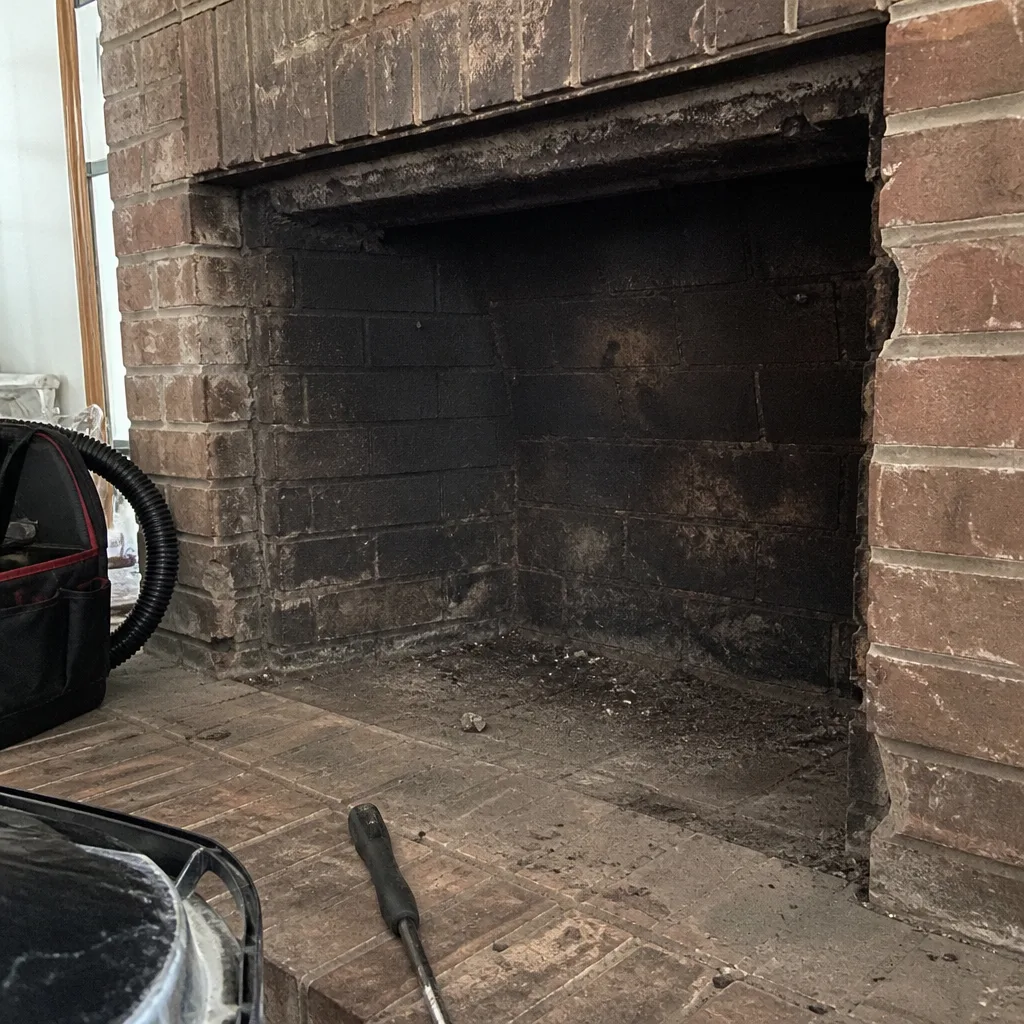 Before
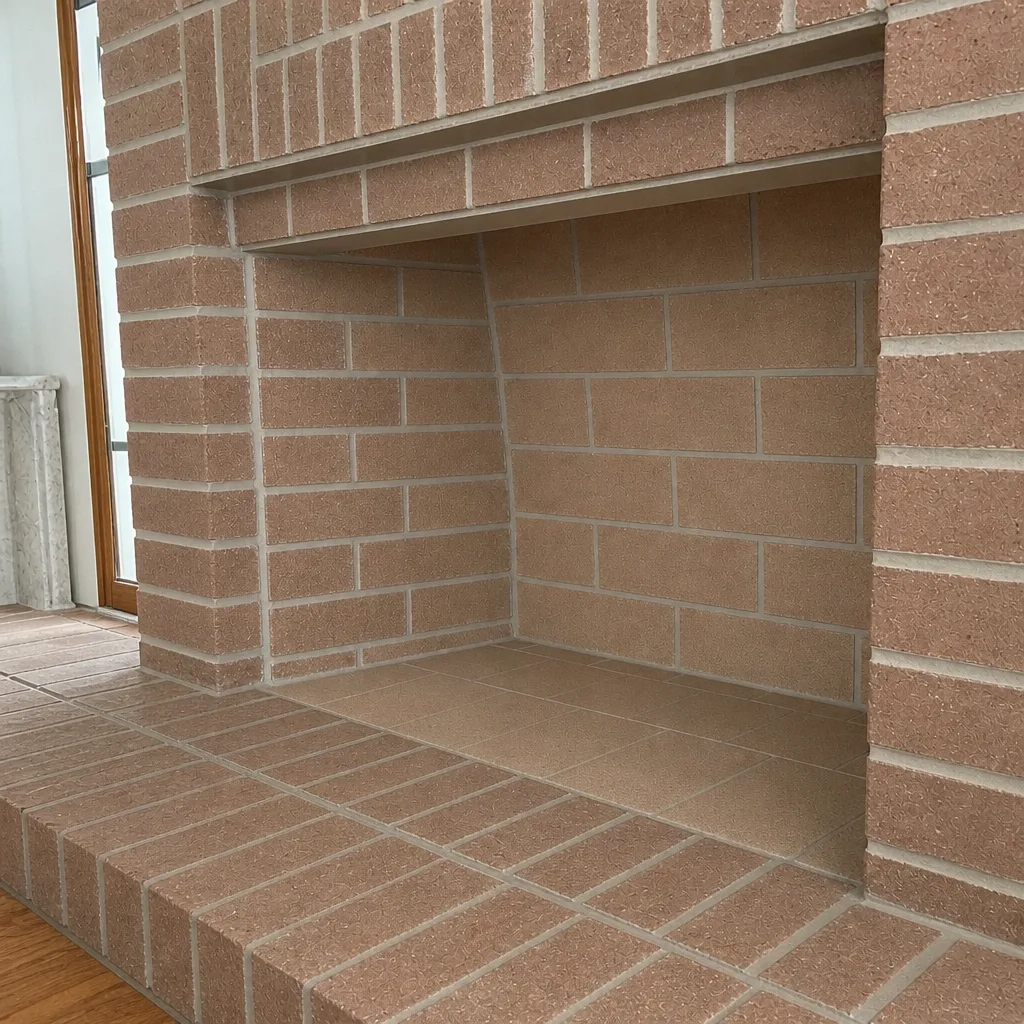 After
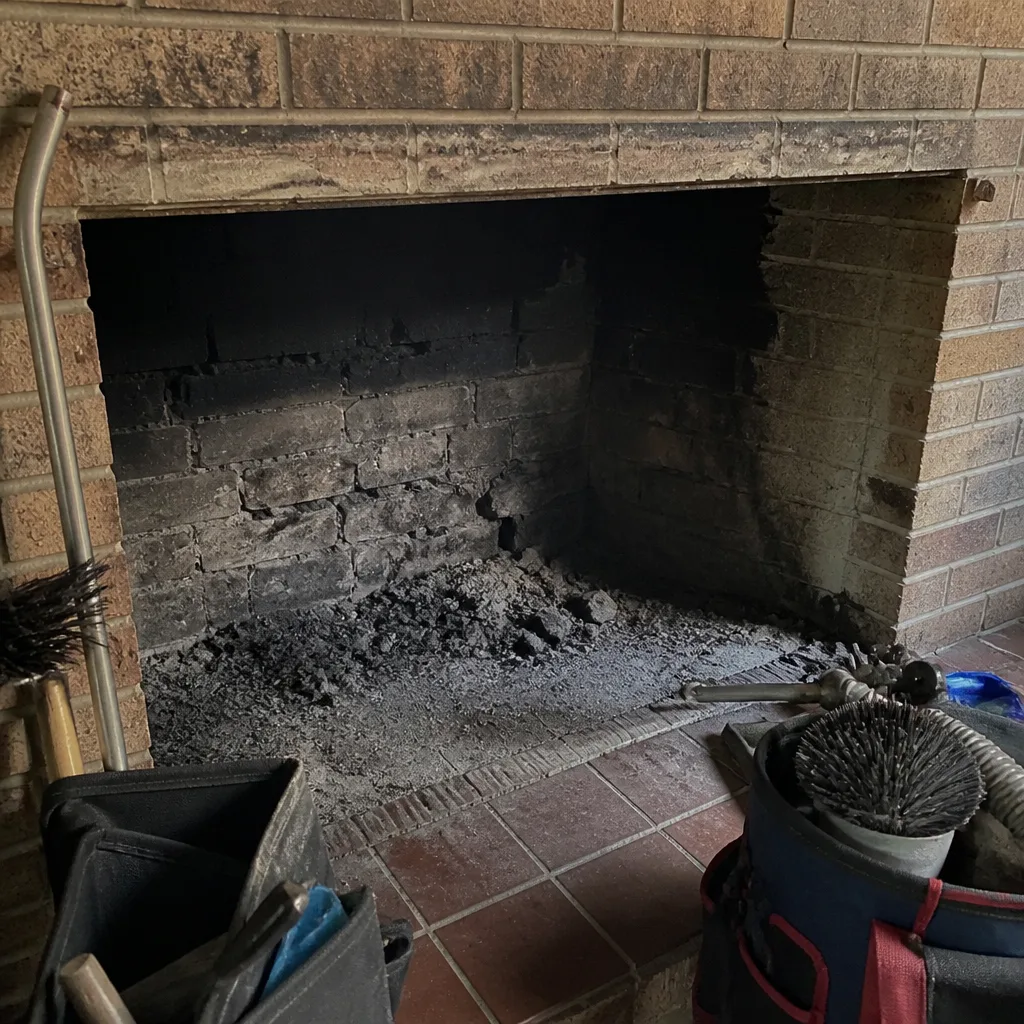 Before
 After
 Before
 After
When to Call a Professional
Some things are worth a call to a professional rather than a weekend project. If you see spalled brick, a visible crack in the crown, or efflorescence on the exterior masonry, water is already inside and needs prompt attention before the freeze-thaw cycle does more damage. If smoke backs up only under certain conditions, or a smell appears without visible smoke, that’s a diagnosis call, not a cleaning. If you’ve had a fireplace for a season or more and haven’t had the flue inspected, that’s the same call. If a chimney sweep tells you a reline is needed and you haven’t seen the camera evidence, that’s a moment to get a second review. And if a fireplace hasn’t been lit in years and you’re about to start, a professional inspection is the cheapest way to avoid a surprise. Northwind Chimney Sweep offers free estimates in Minneapolis. Call (844) 834-2087.
Frequently Asked Questions
Because the cold makes the pressure problem worse. A very cold day increases the temperature difference between inside and outside, which pulls harder on the house’s air, and if the house is tightly sealed, the chimney becomes the replacement air path and smoke comes in. This is a pressure issue, not a blockage, and it typically points to needing a combustion air assessment rather than a cleaning. Call (844) 834-2087 if you want that checked before the next deep freeze.
A flue should be swept once a year if you burn regularly, and before the heating season begins ideally. In a cold climate with a short-burn pattern, creosote accumulates faster, so some households need two visits a season, particularly if they burn a few evenings a week. An inspection is what tells you whether your own burn pattern requires more frequent cleaning. Call (844) 834-2087 to book one before the season.
Not every liner problem requires a replacement. If the liner is sound but has surface deterioration or limited damage, a ceramic resurfacing system like HeatShield can extend its life without a full reline, and that’s often the more sensible route. A full replacement is the right call when there’s a broken joint, a cracked tile, or Stage 3 glazed creosote. The decision should be made on camera evidence. Call (844) 834-2087 for an inspection with documentation before you decide.
At the mild end, creosote accumulates and draft gets worse, and the next fire smokes more than the last. At the serious end, glazed creosote can ignite, and a chimney fire is a genuine risk, not a scare tactic. On the water-damage side, a cracked crown or spalled brick lets water into the liner, and repairs get much larger over a single Minneapolis winter. Call (844) 834-2087 to avoid getting to either end of that.
Yes, and it usually means air is being drawn through a leak. The most common causes are a downdraft from wind pressure, a damaged liner joint, or poorly sealed masonry, and the smell tends to be strongest in humid weather or when the fireplace isn’t in use. It’s worth diagnosing before it becomes a draft problem during the burn season. Call (844) 834-2087 to get it looked at.
Not reliably. You can see the lower firebox, the damper, and the first couple of feet of flue, but the upper flue, the liner joints, and the smoke chamber are where the real problems live. Those require camera equipment to inspect. Guessing at liner condition from below is a money pit, because either you skip a repair you need or approve one you don’t. Call (844) 834-2087 for a camera inspection you can review.
The Bottom Line
Most chimney problems in Minneapolis come down to a handful of causes: freeze-thaw water damage that starts small and gets expensive, depressurization in tight homes that looks like a blockage but isn’t, creosote building fast from short cold-weather burns, and liner failures that need camera evidence before anyone recommends a fix. Match your symptom to the right cause before you call, and you’ll avoid paying for the wrong repair. When it’s time to diagnose properly, Northwind Chimney Sweep offers free estimates, full-service inspection, cleaning, and repair from the same crew, with documentation you can see. Call (844) 834-2087. We answer 24/7. Fast dispatch from 7am to 7pm, Sunday through Friday.
Written by the team at Northwind Chimney Sweep.