
Last updated November 15, 2026
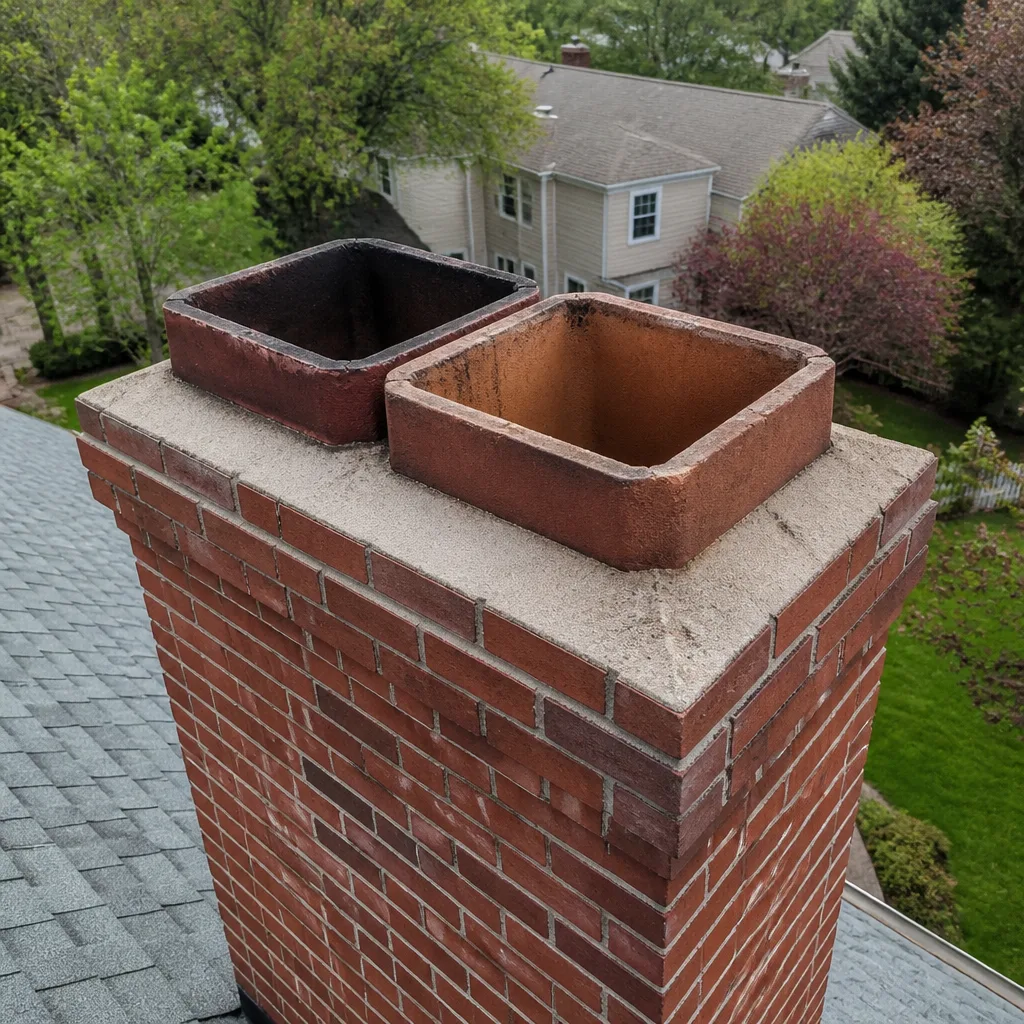 Sweep & inspection
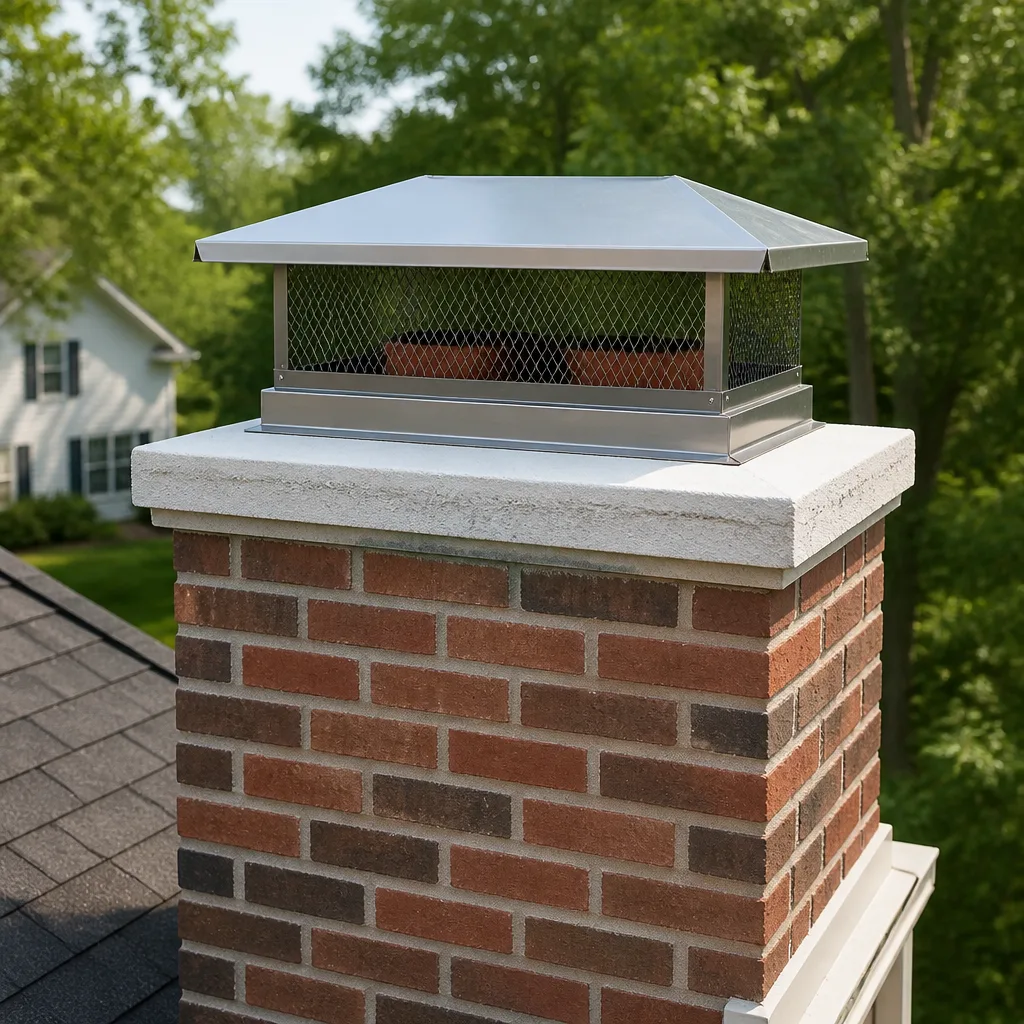 Caps & crowns
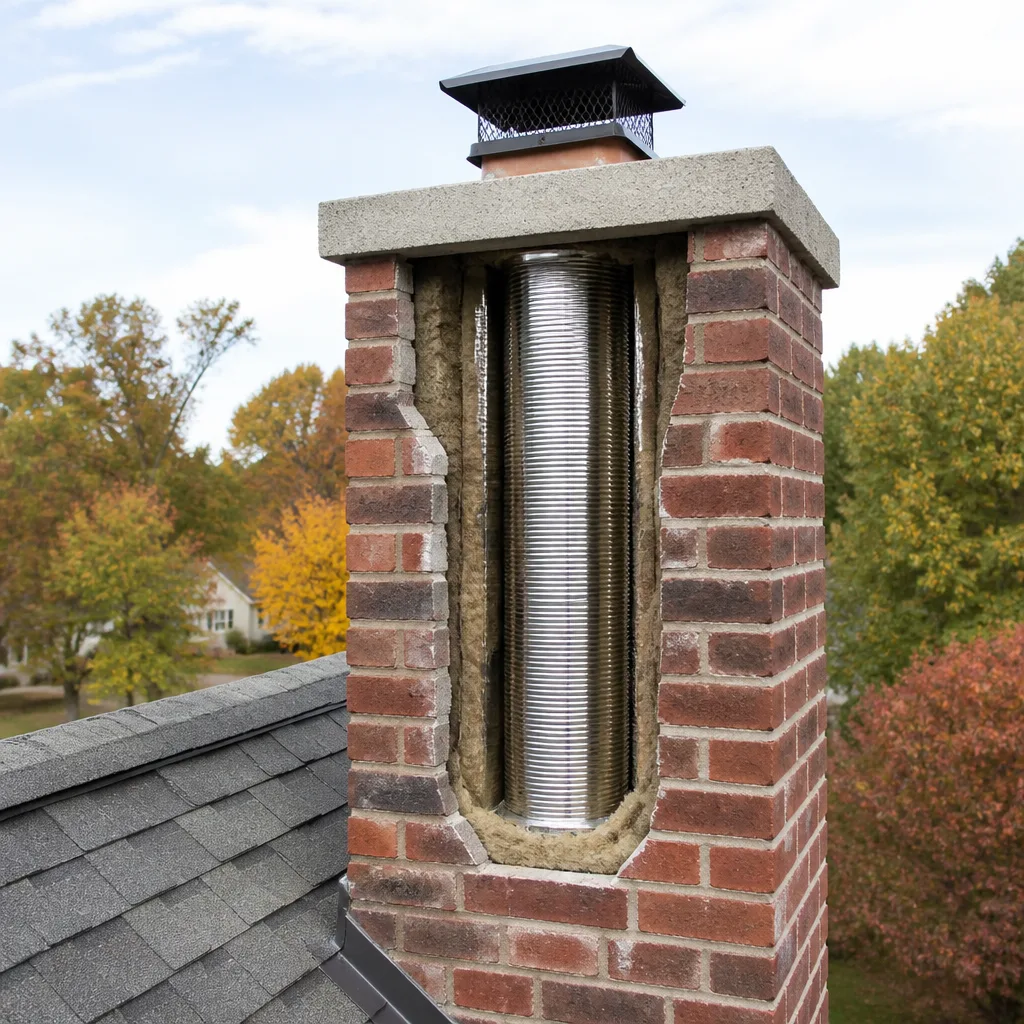 Flue relining
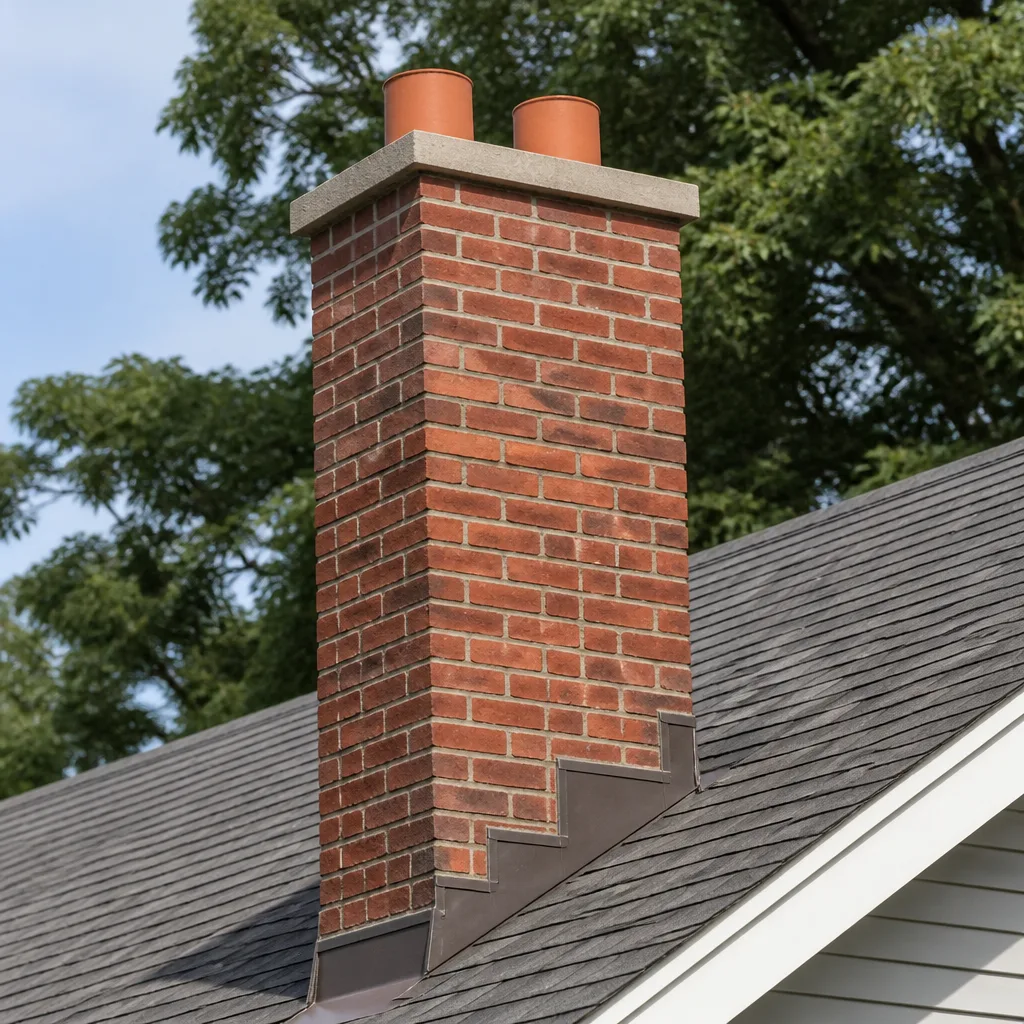 Masonry repair
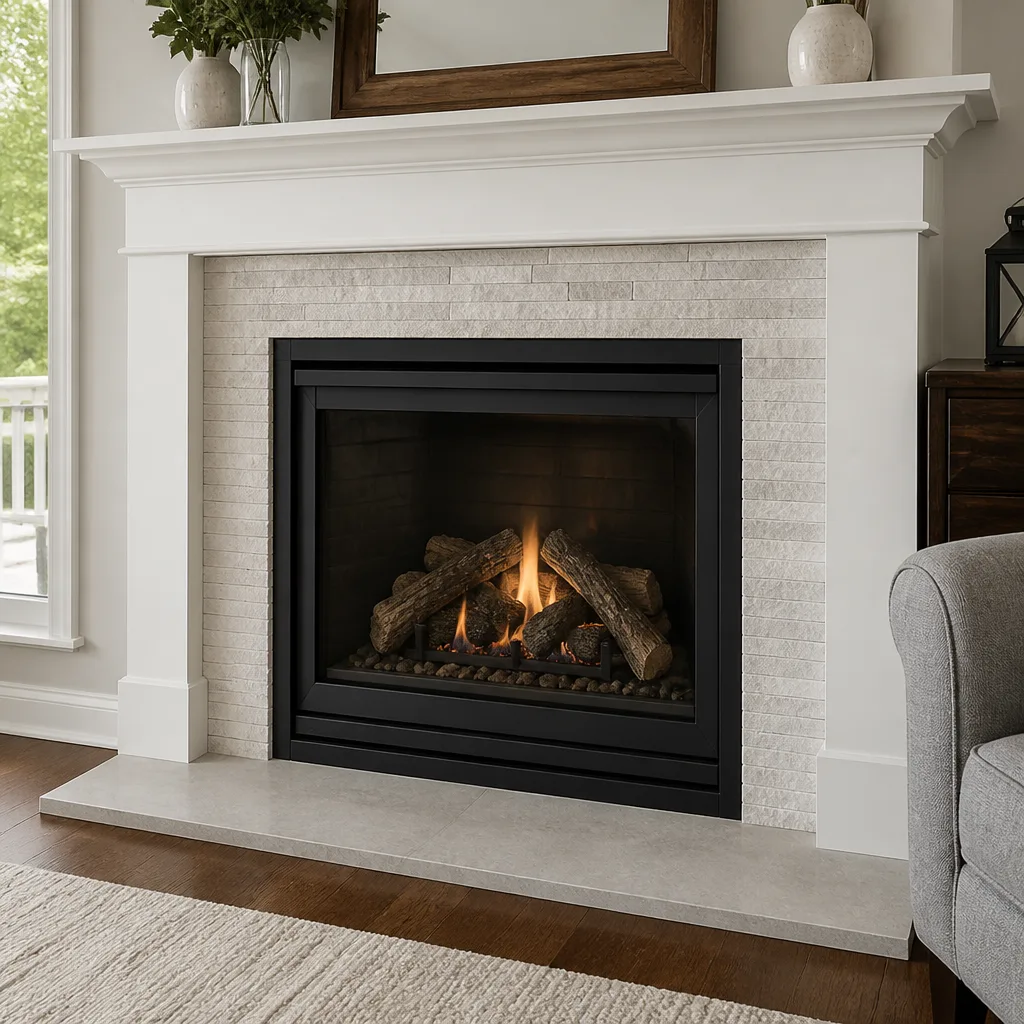 Gas fireplace service
Level 1 sweep and inspection to the NFPA 211 annual standard - flue, crown, cap, and flashing checked and photographed
Chimney sweep logs do not sweep chimneys. They loosen some creosote - which then falls where a brush and vacuum still have to collect it.
Chimney Sweep Maintenance Checklist for Minneapolis Homeowners
Most chimney checklists are a flat list of items to tick off. But if you check the firebox before you’ve assessed the crown and flashing, you may be greenlighting a system that’s already compromised from the top down. The order in which you inspect matters as much as what you inspect, because a failing crown lets water into the structure and can invalidate every downstream decision you make about the liner, the damper, and the smoke chamber. In this guide we’ll walk through a top-down maintenance sequence built for the Minneapolis climate, spell out what you can safely observe yourself versus what needs a credentialed sweep with a camera, and show you how to keep a year-over-year record that holds up at an insurance claim or a home sale.
Quick Answer
A Minneapolis chimney should be inspected top-down once a year, starting with the crown, cap, and flashing before anything inside the firebox is evaluated, and swept when soot reaches about an eighth of an inch inside the flue. Wood-burning fireplaces generally need sweeping every year of active use, while gas appliances on a well-maintained flue can often go longer between sweeps but still need an annual inspection.
Styles & brands we work with
- Sweep & inspection
- Caps & crowns
- Flue relining
- Masonry repair
- Gas fireplace service
Table of Contents
- Why a Top-Down Inspection Sequence Matters
- Step 1: Crown, Cap, and Flashing
- Step 2: Exterior Masonry, Chase, and Ice Damming
- Minneapolis Animal Intrusion During Shoulder Seasons
- Step 3: The Liner, Condensation, and High-Efficiency Venting
- What Homeowners Can Safely Observe Themselves
- Annual vs. Biennial Service Intervals
- Documenting Chimney Condition Year Over Year
Why a Top-Down Inspection Sequence Matters
A chimney is a system with a load path. Water, snowmelt, and freeze-thaw stress all enter from the top. When the crown is cracked or the flashing has pulled away from the roof, moisture works its way into the masonry and the flue before it ever shows up as a stain on your ceiling. If you clean the firebox and pronounce the chimney healthy without first assessing the top, you’re diagnosing the symptom and ignoring the cause.
That’s the failure mode in most generic checklists. They start at the hearth because that’s what the homeowner sees, and the visible dirt inside the firebox feels like the thing to fix. But a chimney can be spotless inside and quietly rotting from a failed crown above the roofline. In Minneapolis, where we get repeated freeze-thaw cycles through the winter, that rot tends to accelerate quickly once it starts, which is why the sequencing matters more here than in a milder climate.
The right sequence runs in this order:
- Crown and cap. Determines whether the system is protected from the top down.
- Flashing and roof interface. Determines whether water is entering at the penetration.
- Exterior masonry or chase. Confirms whether moisture has already migrated into the structure.
- Liner condition. Only meaningful to assess once the shell above is confirmed sound.
- Firebox, damper, and smoke chamber. Interior components that depend on everything above being intact.
Our chimney sweep and inspection work follows this order every visit, because a liner recommendation made without a look at the crown is a guess, not a diagnosis. We’ve seen plenty of situations where the “rebuild” someone was quoted solved a problem caused entirely by a cracked crown leaking water into the flue.
Step 1: Crown, Cap, and Flashing
The crown is the concrete or masonry slab at the very top of the chimney that sheds water away from the flue. A hairline crack that looks cosmetic in July can open into a real problem after a Minneapolis winter, when meltwater enters the crack, refreezes overnight, and pushes the crack wider. This is the single most consequential component to check first, because everything downstream depends on it.
What to look for on the crown when you’re inspecting from the ground with binoculars:
- Visible cracks, especially horizontal ones running across the slab.
- Chips or spalling at the edges where concrete has broken away.
- A crown that slopes toward the flue rather than away from it.
- Rust staining or efflorescence (white mineral deposits) below the crown.
The cap is the metal or mesh component over the flue opening. Its job is to keep rain, snow, and animals out while allowing exhaust to vent. A cap that’s rusted through, missing fasteners, or been bent out of shape in a windstorm is no longer doing that job. Famco termination caps and draft caps are a common replacement because they’re built to handle the snow load and wind that Minneapolis chimneys see, but any well-fitted, properly sized cap is preferable to none.
Flashing is the metal seal where the chimney meets the roof. In Minneapolis, ice damming is the most common cause of flashing failure. When snow melts on the warm side of the roof and refreezes at the cold edge, the resulting ice dam can force water under the flashing and into the attic or ceiling. The flashing itself isn’t usually the root cause, but it’s the component that fails when water pools behind the ice.
If the crown is failing, the fix is a masonry repair, not a bandage. chimney repair at this top level includes rebuilding the crown to slope correctly and resealing the flashing so the next freeze-thaw cycle doesn’t start the problem again.
Step 2: Exterior Masonry, Chase, and Ice Damming
Once the crown and flashing are confirmed, work down the exterior. For masonry chimneys, look for spalling brick, missing mortar joints, and any brick that has lost its face. For framed chases with siding, look for soft spots, gaps at the seams, and signs of water tracking down the chase. Both types benefit from a close look after a Minneapolis winter, because the freeze-thaw cycle stresses the exterior more than the interior.
Ice damming deserves its own note. It’s the most consistent winter chimney problem in Minneapolis and the one most flat checklists leave out. The mechanism looks like this:
- Warm air escapes the house through the attic, melting the underside of the snowpack on the roof.
- Meltwater runs down the roof and reaches the cold eave, where it refreezes into a dam.
- Continued melting pools water behind the dam, and the water backs up under shingles, under flashing, and into the chimney chase.
- Inside the chimney, that water reaches the liner, freezes, and expands.
The root fix is attic insulation and ventilation, which sits outside the chimney trade. But the chimney-specific symptoms are worth catching: rusted cap fasteners, mineral stains on the chase, and dampness at the smoke chamber. If you see those in early winter, the roof is likely damming, and the flashing should be checked before spring.
For masonry chimneys, repointing mortar joints before winter is the single most effective exterior maintenance item. It’s inexpensive to do proactively and much more expensive to defer, because water that gets behind failing mortar can freeze and split brick faces right off.
Minneapolis Animal Intrusion During Shoulder Seasons
Birds, squirrels, and raccoons treat uncapped chimneys as shelter. The pattern in Minneapolis runs with the seasons. In spring and fall, when temperatures swing and wildlife looks for stable shelter, an open flue is prime real estate. A nest built in the flue is a fire hazard the moment you light a fire, and a blocked flue is a carbon monoxide risk long before that.
The shoulder seasons are when we see the most intrusion calls, and the fix is almost always the same: a properly fitted cap with a mesh small enough to keep animals out but large enough not to restrict draft. Gelco and Famco vent and termination products are a common choice for that reason. If you’ve had a chimney open for a season without a cap, get it inspected before you burn again, because a nest may be sitting where you can’t see it.
Animal intrusion is also a documentation event. If a raccoon has been in the flue, the liner may have been scratched or soiled, and knowing the date and the state of the liner at that point helps if a warranty question comes up later.
Step 3: The Liner, Condensation, and High-Efficiency Venting
The liner is the flue surface that carries exhaust up and out. Its condition matters, but it can only be assessed accurately with a camera once the top of the chimney is confirmed sound. If the crown is leaking, the liner is getting wet regardless of what the camera shows, and a “failing liner” diagnosis made without addressing the crown leads to a replacement that fails the same way.
With the top confirmed sound, the camera inspection tells you what the liner actually looks like inside: cracked tiles, gaps at the joints, corrosion on a metal liner, or heavy glazed creosote. This is the diagnostic step that decides whether you need a sweep only, a liner restoration, or a full reline. HeatShield ceramic resurfacing is one option we use when the liner is deteriorated but not beyond repair, because it extends the service life of the existing flue without going to a full replacement. DuraFlex flexible liners come into play when a full reline is the correct answer.
Condensation is the item most homeowner checklists miss entirely. A high-efficiency furnace vented into or alongside a chimney can create acidic condensate that eats into masonry and metal over time. If your furnace was updated in the last decade and the venting wasn’t adjusted to match, the chimney may be handling moisture it wasn’t designed for. Copperfield venting components are part of how that gets corrected. The symptom is often a damp, chalky residue at the base of the flue or a metallic smell, and it deserves a professional look rather than a homeowner guess.
What Homeowners Can Safely Observe Themselves
Annual self-observation between professional visits is reasonable and useful. It is not a substitute for a camera inspection, and we’re clear about that because a homeowner who’s told to “check the liner” with a flashlight is being given a job that can’t be done safely or accurately from the firebox. Here’s the split.
What you can safely check:
- Soot depth in the firebox and the smoke chamber, using a flashlight, without reaching up into the flue.
- Creosote texture on the damper and visible firebox surfaces: crusty, shiny, or flaky all indicate different severity.
- Damper operation: it should open and close smoothly and seat fully when closed.
- Water stains or efflorescence on the exterior chase or at the ceiling near the chimney.
- Cap and crown from the ground with binoculars, looking for obvious cracks or missing pieces.
- Draft behavior: smoke rolling into the room when you first light a fire, or a fire that struggles to establish draft, is a signal to call.
What you should not attempt yourself:
- Rooftop inspection of the crown, flashing, or cap. Height work is a genuine injury risk, and the geometry of a Minneapolis roof in winter makes it worse.
- Flue camera work. The camera shows what a flashlight cannot, and reading it requires training.
- Any work inside the flue. Creosote is combustible, and scraping a glazed deposit can be a fire hazard in itself.
- Gas appliance venting adjustments. Carbon monoxide risk is real, and this is a specific competency.
The self-check is about recognizing when the professional call is due. It isn’t about doing the professional work.
Annual vs. Biennial Service Intervals
The general guidance is annual inspection for every chimney, but sweeping frequency varies with use. Here’s how we think about it.
Annual inspection: every chimney, every year. This is the baseline. It’s also what home insurers and buyers typically reference when they want documentation, and it aligns with NFPA 211 standards, which are the benchmark most insurance companies and home inspectors use.
Annual sweeping: a wood-burning fireplace used regularly through the heating season. Burning a cord or more a year, or any amount of unseasoned wood, means soot and creosote accumulate fast enough that skipping a year is risky.
Biennial sweeping (with annual inspection): a gas fireplace on a properly sized and vented liner, or a wood-burning fireplace used only a handful of times a year. Biennial is defensible when the annual inspection confirms the flue is genuinely clean and the fuel is well-seasoned.
Appliance age as a factor: an older wood-burning appliance that burns less efficiently produces more creosote per cord than a newer one. If your fireplace or insert is aging, lean toward annual sweeping even if your usage is moderate.
The one rule we won’t budge on: an annual inspection, regardless of what the sweep interval turns out to be. The inspection is what tells you whether the sweep interval is still correct for your usage.
Documenting Chimney Condition Year Over Year
A chimney record is worth more than most homeowners realize until they need it. Two situations make the record valuable: an insurance claim, and a home sale. In both, the question is the same, and it’s about the history of the system, not a single snapshot.
What to keep:
- Annual inspection reports with the date, the technician’s findings, and a copy of any photos.
- Before and after photos for any repair, especially crown work, flashing, or relining.
- Product documentation for any parts installed: liner brand and type, cap model, and any HeatShield or DuraFlex or Copperfield work.
- Notes on any intrusion or water event: the date, what was found, and what was done.
- Invoice and estimate records for major repairs, which buyers and insurers will ask for.
The reason this matters in Minneapolis specifically is the climate. Chimney wear here is documented by season, and a buyer or adjuster wants to see the trend, not just the current state. A chimney that has been inspected annually and repaired when the crown failed tells a very different story than one with a five-year gap in records, even if both are in similar condition today.
We photograph every inspection and hand the photos to the homeowner for exactly this reason. The record is yours to keep.
Common Mistakes to Avoid
- Cleaning the firebox before assessing the crown. The firebox is the visible part and the easy part to clean, but a spotless interior doesn’t mean a healthy chimney. The crown decides whether the whole system is protected, so it goes first.
- Treating a cracked crown as cosmetic. In Minneapolis, a hairline crack widens over a freeze-thaw winter, and by spring it’s letting water into the flue. Fixing it in fall is inexpensive; fixing the water damage it caused is not.
- Burning unseasoned wood to save money on a cord. Green wood produces more creosote per burn, which is precisely the deposit that causes chimney fires. The savings on the cord disappear into the sweep bill.
- Skipping the cap. An uncapped flue is a shelter for wildlife in spring and fall, and a nest in the flue is a fire hazard and a carbon monoxide risk. A fitted cap with proper mesh is a real part of the system, not an add-on.
- Ignoring the furnace venting after an HVAC upgrade. A high-efficiency furnace retrofit that wasn’t coordinated with the chimney can create condensation the flue wasn’t designed for. If your furnace was replaced and no one checked the venting, that’s a call.
- Waiting until the fire stops drafting to call. Poor draft is a symptom of a problem that’s already well developed. An annual inspection catches it while the fix is still small.
- Keeping no record. Homeowners who can produce an inspection history at a sale or a claim are in a much stronger position than those who can’t. The photos and reports cost nothing to keep and everything to lose.
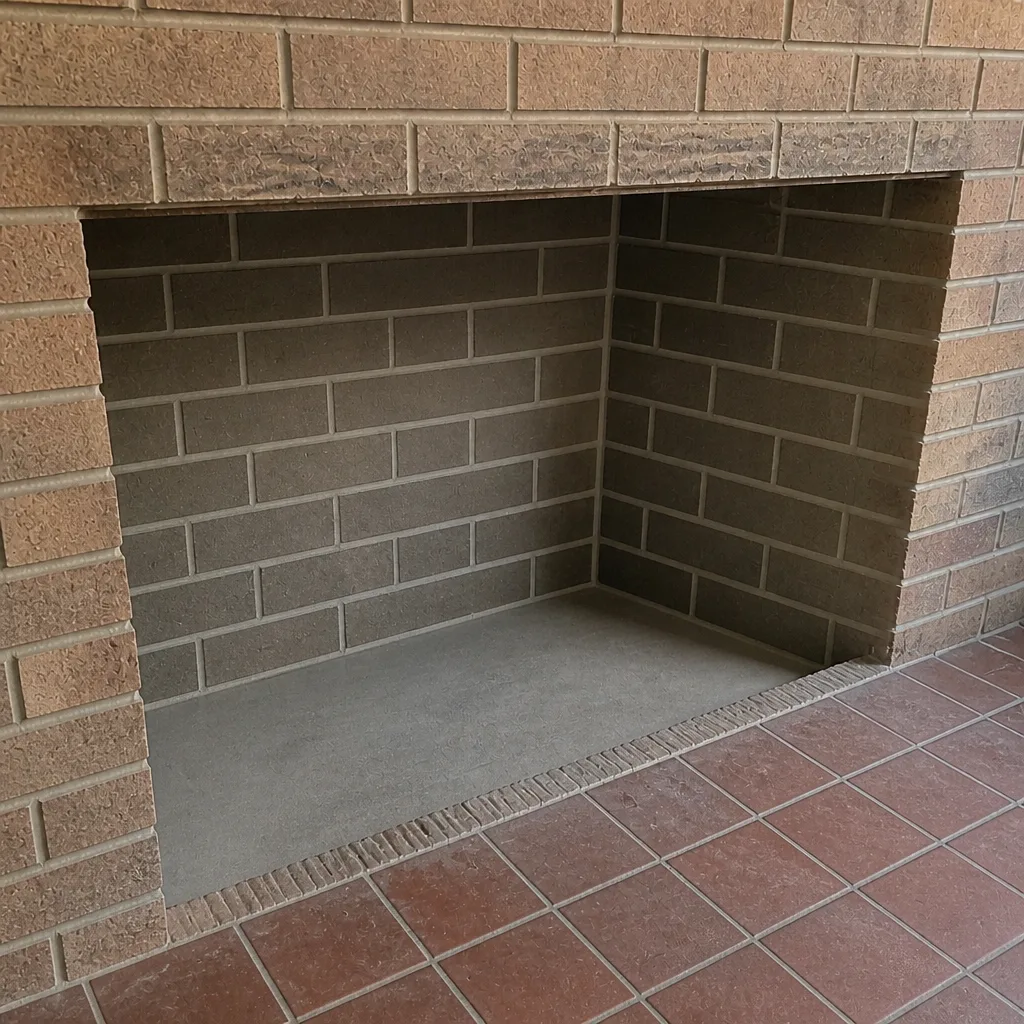
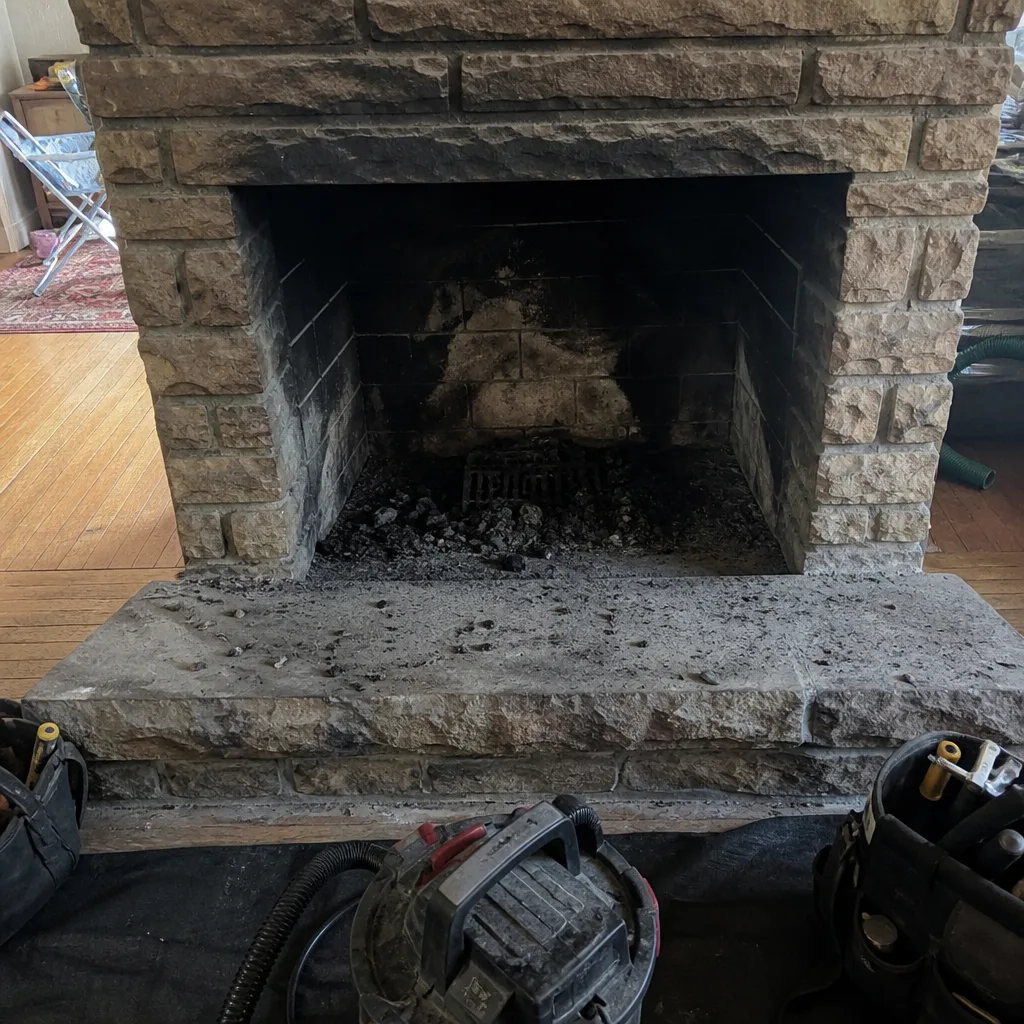
See the difference
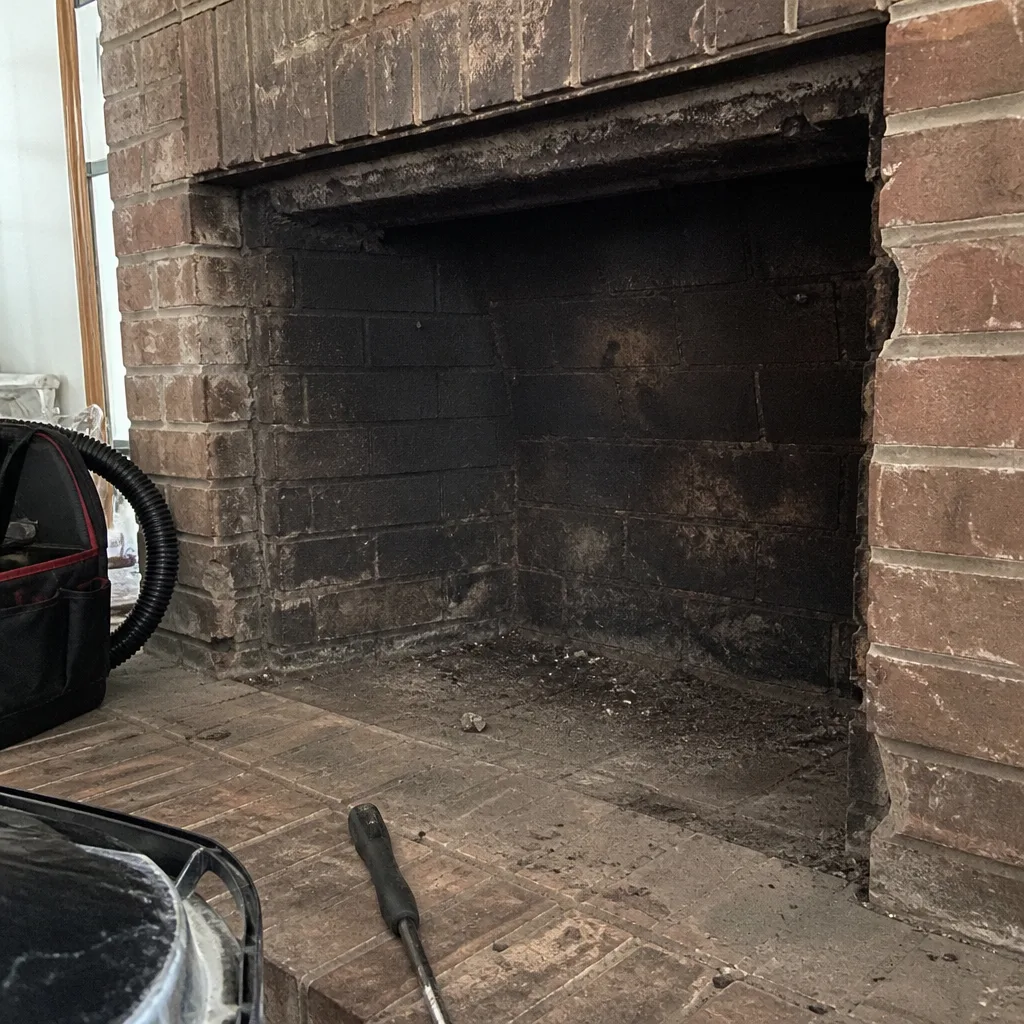 Before
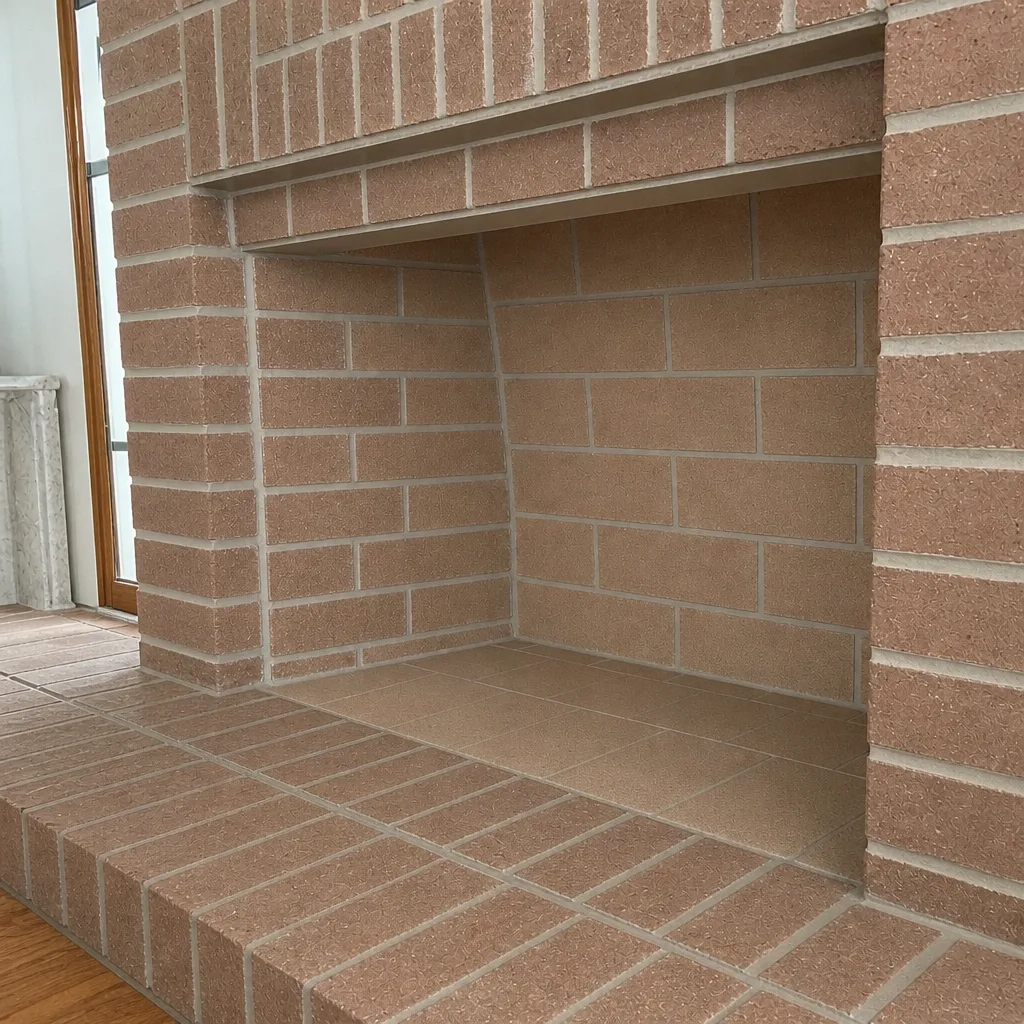 After
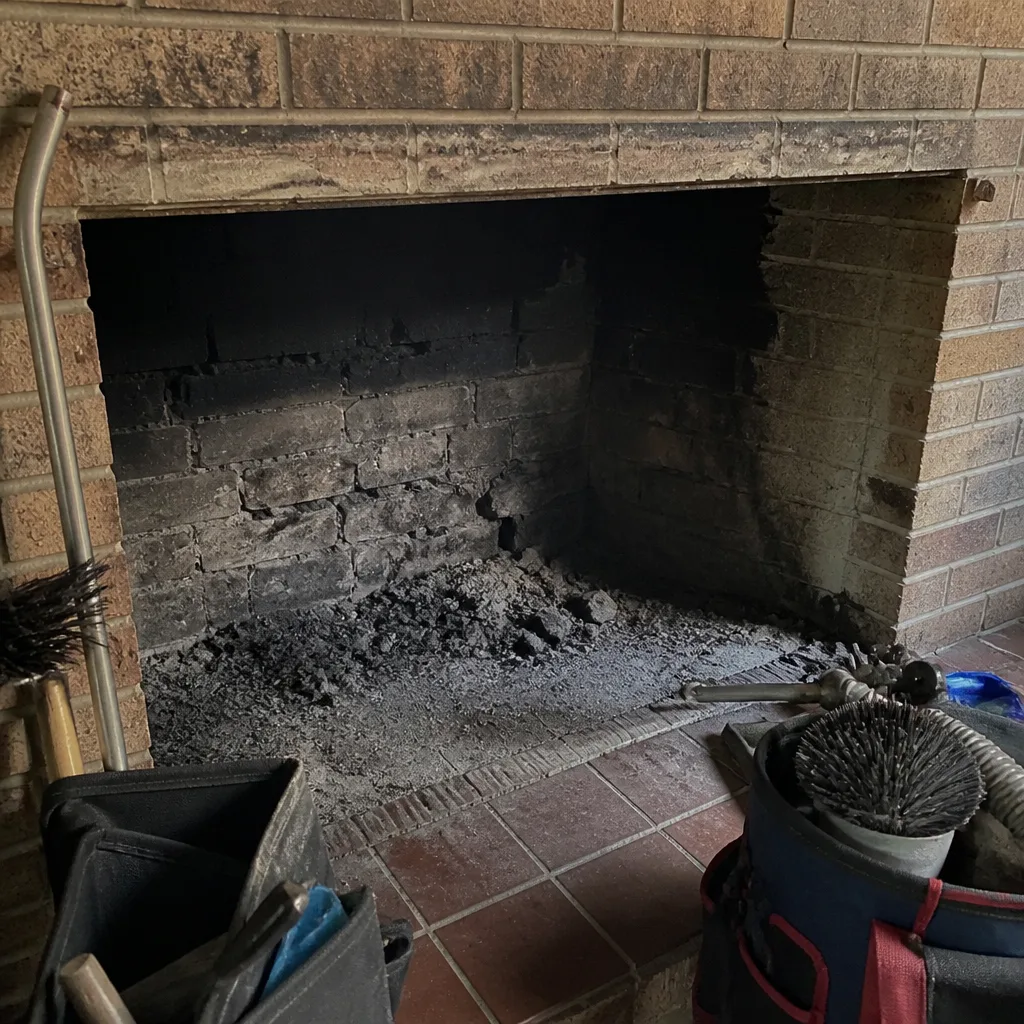 Before
 After
 Before
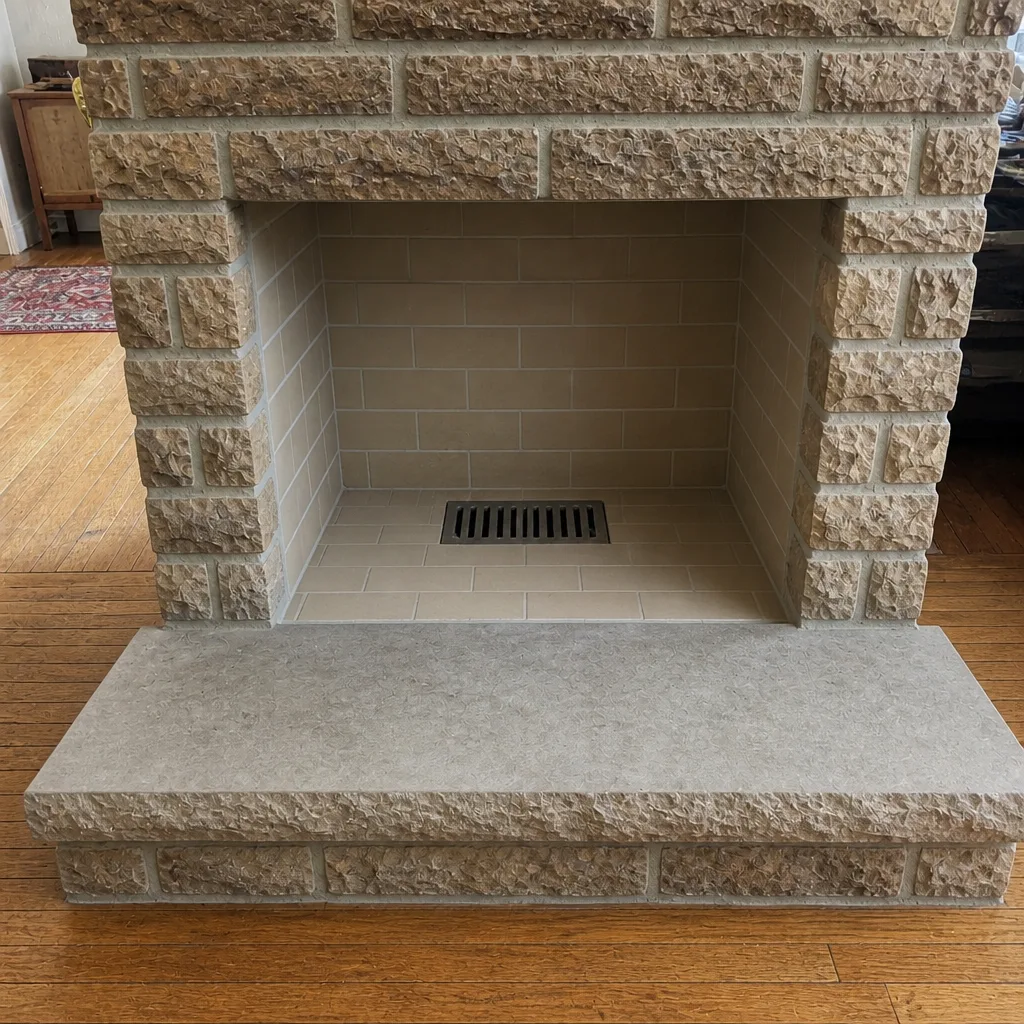 After
When to Call a Professional
Call a professional if you’ve never had a full inspection of the system, if the previous owner can’t produce records, if you’ve spotted a cracked crown or spalled brick from the ground, if smoke rolls into the room on lighting, or if an animal has been in the flue. Call if your furnace or water heater venting has been changed without a check, or if you’ve had ice damming and the flashing has been wet. And call if your last inspection is more than a year old, because annual is the baseline.
Northwind Chimney Sweep offers free estimates in Minneapolis – call (844) 834-2087. We answer 24/7. Fast dispatch from 7am to 7pm, Sunday through Friday.
Frequently Asked Questions
Sweep annually if you burn wood regularly through the heating season, and inspect annually regardless of fuel type. Gas fireplaces on a properly vented liner with light use can often go biennial on the sweep, so long as the annual inspection confirms the flue is genuinely clean. Call (844) 834-2087 for an exact quote on your specific system – estimates are free.
Yes. The inspection isn’t only about creosote buildup; it’s about the crown, flashing, cap, and liner condition, all of which deteriorate from weather whether you burn or not. In Minneapolis, a single freeze-thaw winter can open a crack that a summer of non-use won’t reveal. Call (844) 834-2087 to book an inspection – estimates are free.
You can safely check soot depth in the firebox, damper operation, and the cap and crown from the ground with binoculars. You cannot safely assess the liner, do rooftop inspection, or work inside the flue. Those need a trained sweep with a camera system. Call (844) 834-2087 to schedule – estimates are free.
Because a failing crown invalidates the liner assessment below it: a liner diagnosis made without confirming the crown will lead to a repair that fails the same way. Top-down means crown and cap first, then flashing, then the exterior chase, then the liner, then the firebox and smoke chamber. Call (844) 834-2087 to have it done in that order – estimates are free.
Yes. A high-efficiency furnace vented into or alongside a masonry chimney can create acidic condensate that degrades the liner and masonry over time. If your furnace was upgraded recently and the chimney venting wasn’t adjusted, that’s worth a professional look. Call (844) 834-2087 – estimates are free.
You should. An annual file of inspection reports, photos, product records, and repair invoices gives you a defensible record at an insurance claim or a home sale, and demonstrates the system has been maintained. We photograph every inspection and hand the photos to you. Call (844) 834-2087 to start your first record – estimates are free.
The Bottom Line
The checklist that actually protects a Minneapolis chimney runs top-down: crown and cap first, flashing and exterior second, liner third, firebox and damper last. A flat checklist that starts at the firebox can greenlight a system that’s already failing from above. Do the annual inspection every year regardless of fuel type, sweep on the interval your usage and fuel call for, keep a documented record, and treat the crown as the gate to every downstream decision. If your last inspection is more than a year old, or you’ve spotted anything in this guide that isn’t documented, that’s the call to make. Northwind Chimney Sweep works in Minneapolis with professional-grade materials and a top-down process, and we’re glad to walk through your specific chimney with you. Call (844) 834-2087, or start with an overview of Northwind Chimney Sweep and what we do.
Written by the team at Northwind Chimney Sweep.